The Winter Road celebrates ten years of official recognition and is preparing its arrival at Xacobeo 2027 with two of its own symbols: a commemorative credential that pilgrims can now use and a wine from the Ribeira Sacra that will bear the name of the route. The Galician Federation of Associations of Friends of the Camino de Santiago (FEGAC) will bring together associations, specialists and institutional representatives at different points of the itinerary on November 7 and 8 to take stock of a decade of work.
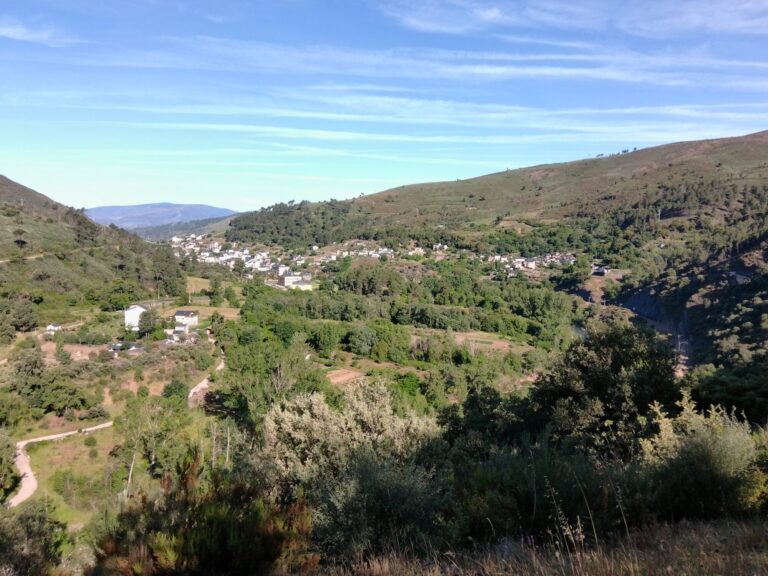
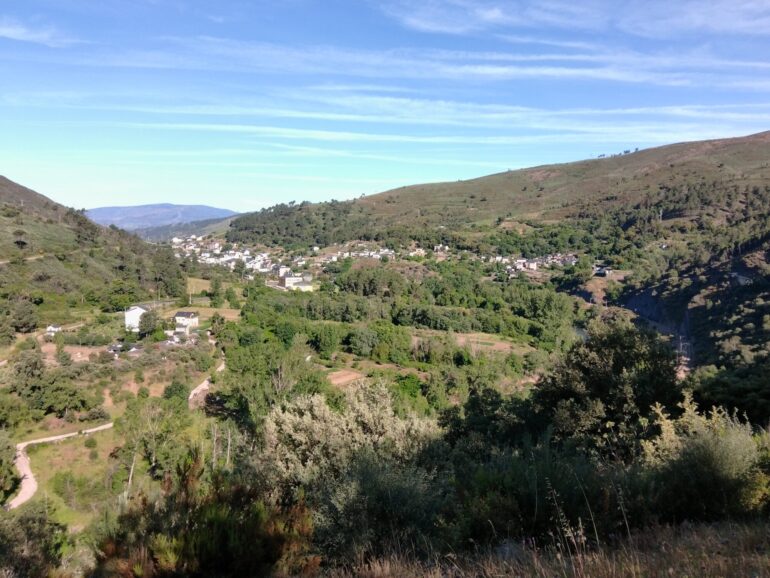
The celebration begins this Saturday in A Rúa, in the Valdeorras region of Ourense. But the program has a path vocation: it will continue through Sober, Monforte de Lemos, Diomondi, in O Saviñao, and Lalín. Each stop will serve to observe a different part of this route that separates from the French Way in Ponferrada and enters Galicia following the landscapes of the Sil.
A credential to carry ten years of history
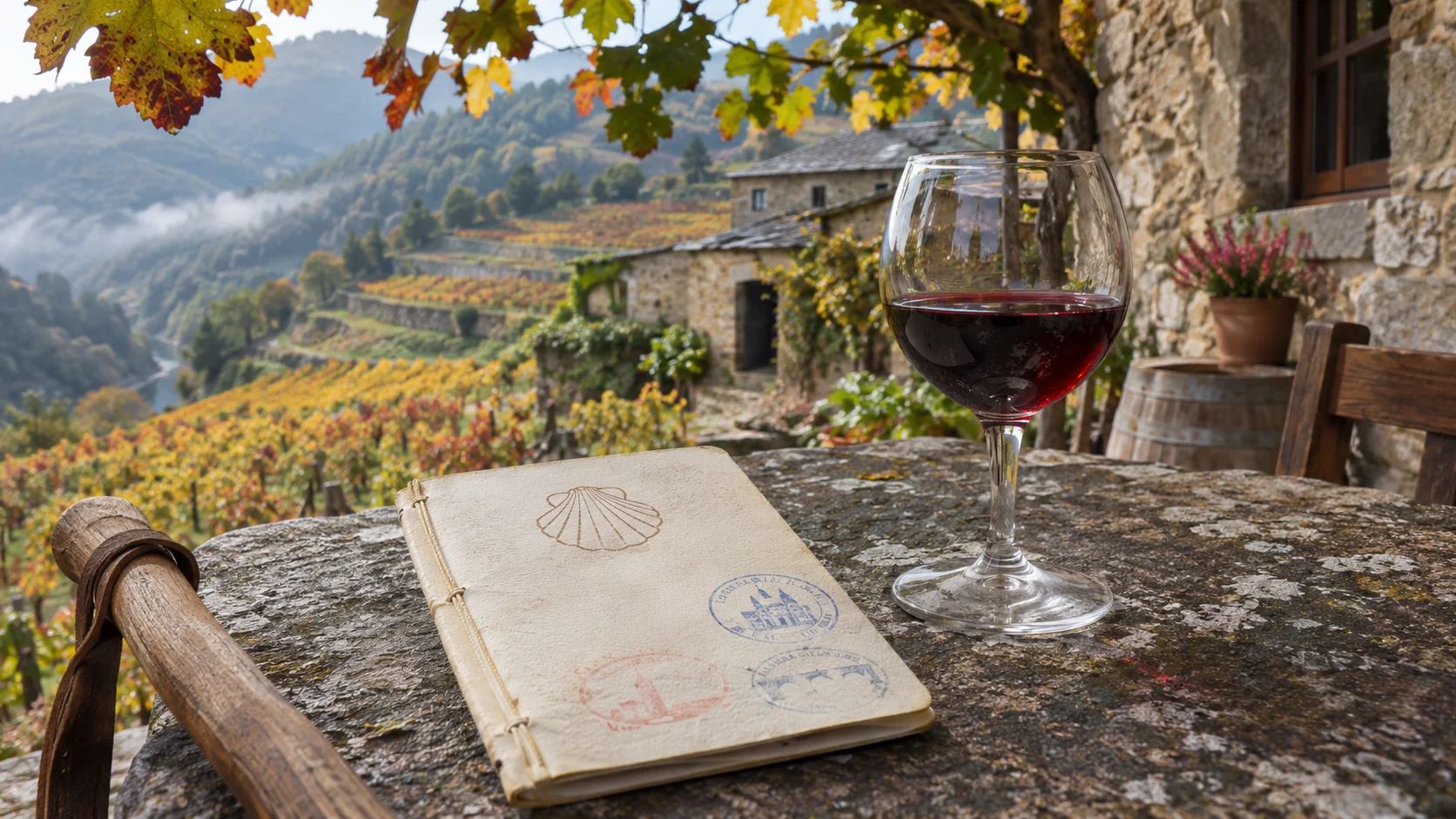
The new 10th anniversary badge is not just a souvenir. It is a document for the pilgrim to record their passage through the itinerary, stamp by stamp, while making visible an anniversary that the associations consider important. The FEGAC announced its availability in September, in collaboration with the Spanish Federation of Associations of Friends of the Camino de Santiago and the entities linked to the Camino de Invierno.
According to the federation, it can be obtained through shelters and associations along the route, or request its delivery by mail by contacting the organization. The program of the conference also includes the delivery of this special credential and a commemorative seal in Lalín.
The initiative has a background that is well known to those who have been working on the Winter Trail for years. Official recognition came in 2016, but the recovery of the route, its signage and attention to walkers began much earlier. The credential now becomes a simple way to continue that collective effort.
A wine called Camino de Invierno
The second symbol comes directly from the landscape that the pilgrim crosses. The Ribeira Sacra “Winter Road” wine appears in the official program of the conference, with a presentation and tasting planned at Diomondi. The FEGAC proposes this collaboration with wine culture as a way of associating the name of the route with the territory.
It is not a forced relationship. The vineyard accompanies sections of the itinerary in Valdeorras and the Ribeira Sacra, two regions in which local history, agricultural activity and the passage of pilgrims intersect. The proposal gives visibility to that connection. As of this publication, the presentation has been announced, but it is advisable to wait for the event to know the final details of the product.
The president of the FEGAC, Javier Gómez Vila, has explained to Somos Comarca that the objective is to provide this Camino with recognizable elements and increase its projection before 2027. The credential and the wine fulfill different functions: one accompanies the pilgrimage; the other refers to the landscapes and trades of the regions that make it possible.
The growth of pilgrims also brings duties
The celebration comes at a time of greater interest in the route. On September 27, the director of Tourism of Galicia, Xosé Merelles, reported in Pantón that more than 2,400 pilgrims had obtained the Compostela after walking the Winter Way so far in 2026. The figure represented a growth of 16% compared to the same period of the previous year, and 39% of these walkers came from abroad. These are accumulated data up to that date, not the final balance for 2026.
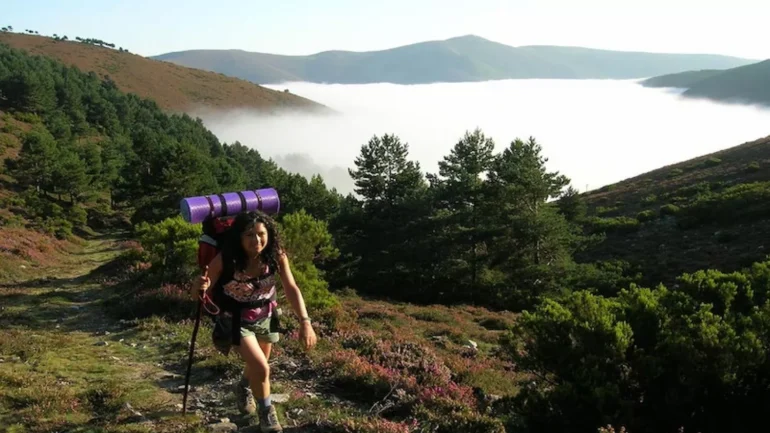
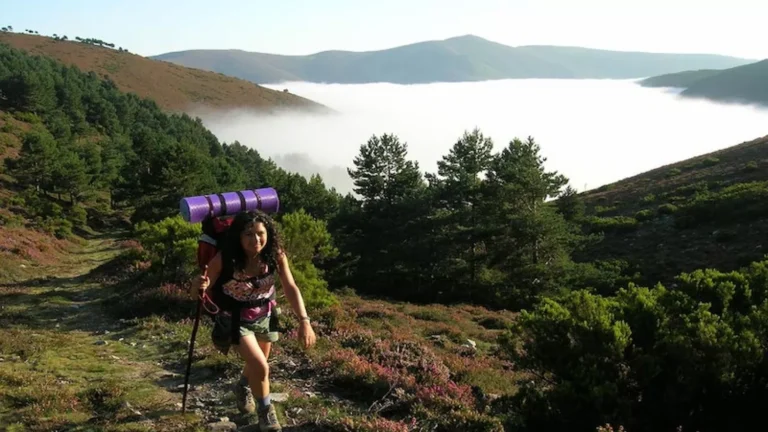
It is a significant evolution for an itinerary that is less crowded than the major access routes to Santiago. Those who choose it usually value its landscape and the possibility of walking peacefully, although this tranquility requires preparing the stages with more care.
Gómez Vila himself recognizes that there are still long stretches with few services. The need to find water, food or accommodation can condition a day as much as the slope. That is why promotion and conservation must advance together: a new credential may arouse curiosity, but it is signage, shelters and reliable information that allow us to walk smoothly.
RTV Camino de Santiago has already addressed this reality in other information about signaling and safety of the Winter Trail and about the scenic attractions of this itinerary. The route is not only strengthened by campaigns: it also needs active partnerships and a minimum of services at each stage.
A Rúa opens on November 7 and 8
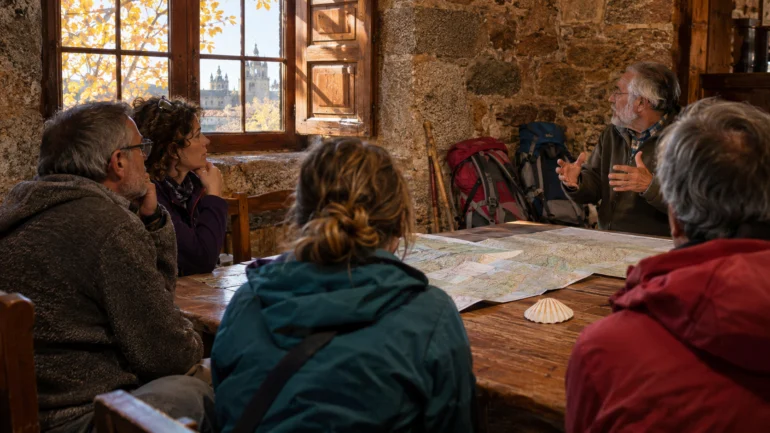
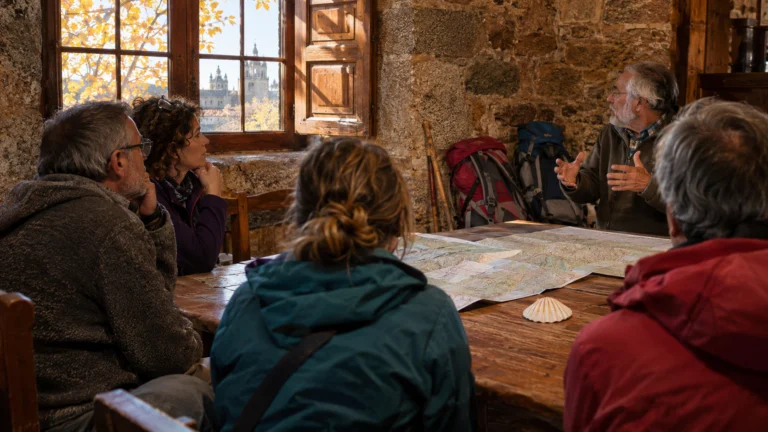
The FEGAC program starts on Saturday the 7th at 11:00 a.m. at the Avenida de A Rúa Cultural Center. The first day will bring together interventions on pilgrimage, effort and improvement, with participants such as Javier Pitillas, from DisCamino, and Asunción Arias, president of the Association of Friends of the Camino de Santiago por Valdeorras. A visit is planned to the pilgrim service point of the old chapel of San Andrés de Fontei.
This last space reminds us that hospitality is not an abstract idea. Behind the information points there are people who guide walkers and keep contact with the towns alive. RTV recently published the story of Asunción Arias and the reception work in Fontei, a sample of that dedication.
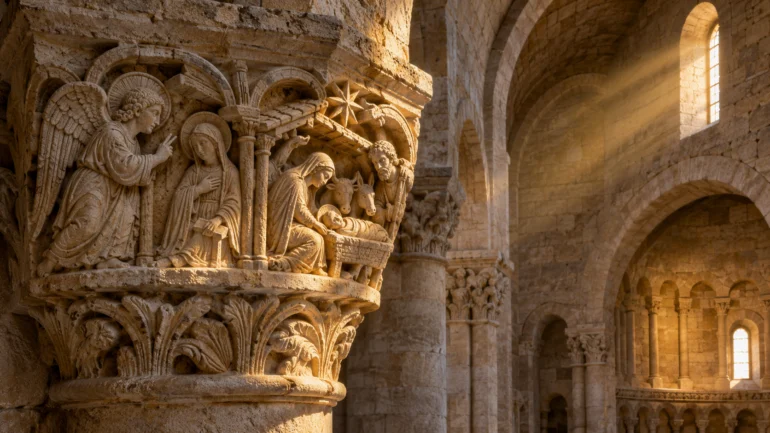
The activities will continue in other municipalities along the route, with presentations, heritage visits, community events and the announced wine with a Jacobean name. Among the planned tributes, the posthumous recognition of Aida Menéndez Lorenzo as an honorary member of the federation stands out, for her role in the recovery of the route.
The organization has published the program and registration form on its official website, which should be consulted to confirm venues, transfers and availability.
Ten years after its recognition, the Winter Trail seeks something more than visitors in 2027: that whoever arrives with a credential also has a careful route, involved towns and places where they feel welcomed.
Sources: We are Comarca (November 5, 2026); FEGAC, conference program; FEGAC, commemorative credential.