



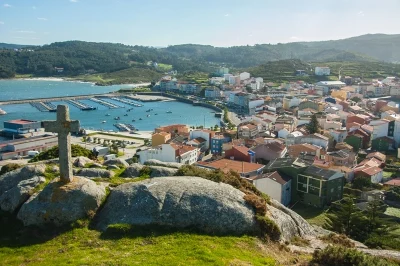
The Fisterra-Muxía Trail is preparing eleven new segregated pedestrian paths to keep pilgrims away from traffic at several especially delicate points on the route. The project already has final approval and will affect six municipalities, in addition to including the renovation of another existing path and signage improvements.
The Camino de Fisterra and Muxía faces one of its most important security improvements in recent years.
The Xunta de Galicia has definitively approved the project to create eleven new pedestrian paths at those points where pilgrims currently share space with roads of different ownership.
The objective is clear: reduce exposure to traffic and improve the safety of those who travel this Jacobean route.
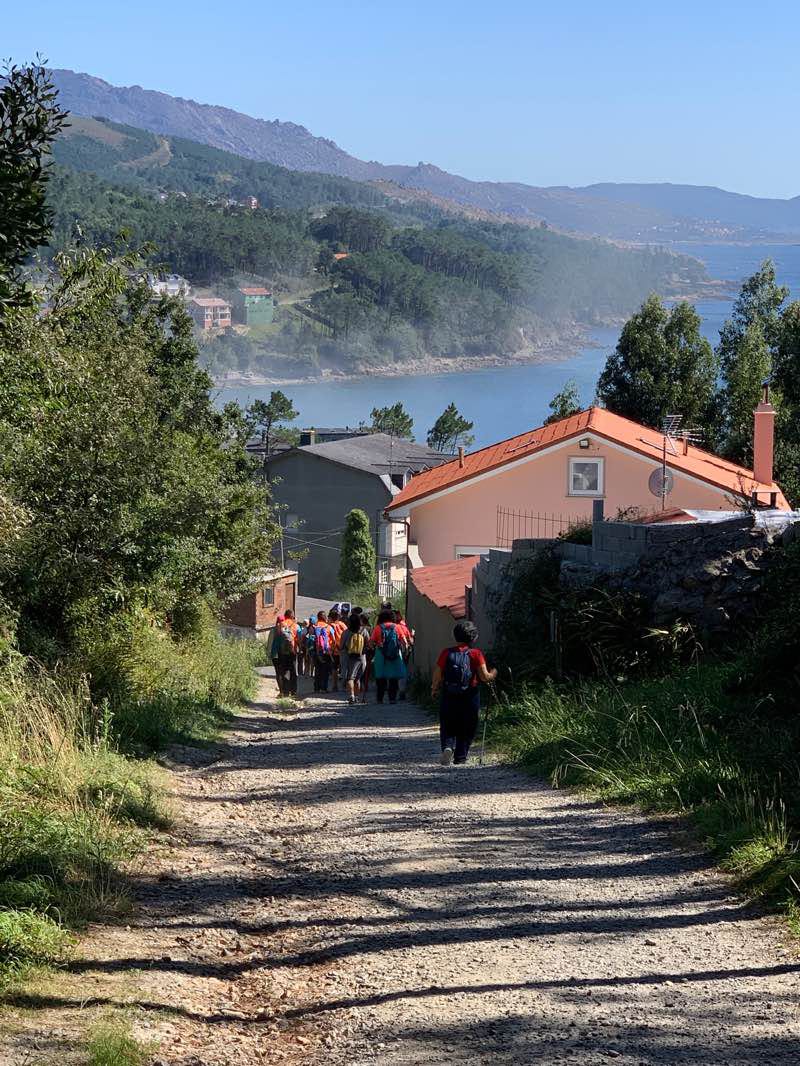
Six municipalities affected
The actions will be distributed across different sections of the municipalities of Santiago de Compostela, Negreira, Dumbría, Corcubión, Cee and Muxía.
At these points, the Camino currently coincides with regional, provincial or municipal roads, which forces pilgrims to walk too close to the vehicles.
The new paths will allow pedestrian traffic to be better separated from road traffic.
A path in Mazaricos will also be renewed
The project is not limited to building new sections.
It also contemplates the structural renovation of an existing path in Mazaricos, in addition to improvements in vertical signage at other points on provincial and local roads.
In this way, the action combines new infrastructure with the improvement of routes that are already in use.
A project already definitively approved
The initiative had been provisionally approved in February and subsequently went through the corresponding public information period.
After studying the allegations and completing the necessary reports, the project received final approval and was officially published.
This approval also implies the declaration of public utility and the need to occupy the land necessary to carry out the works.
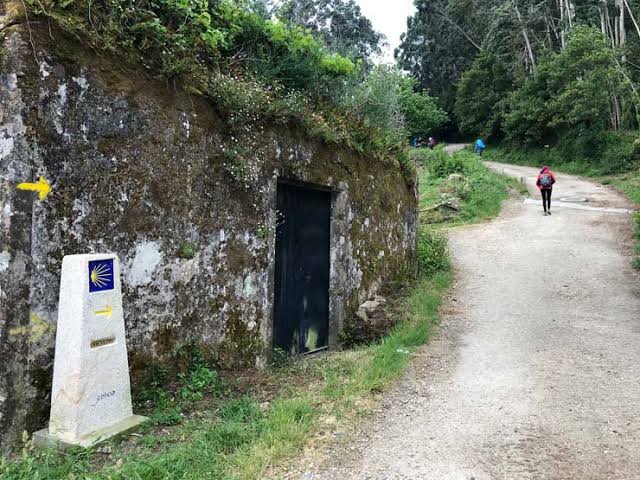
Keep the pilgrim away from the road
The main reason for these actions is precisely one of the most repeated problems on some routes of the Camino: the sections where the pilgrim has to walk too close to traffic.
In many cases these are not large roads, but a curve, a narrow shoulder or reduced visibility is enough to increase the risk.
Physically separating walkers from vehicles can make a huge difference.
Especially during busy times.
Safety and sustainable mobility
The project is part of the Road Safety Plan for the Caminos de Santiago, which includes performances on different Jacobean itineraries.
Global planning foresees interventions in more than 150 kilometers, with an estimated budget of up to 40 million euros.
The intention is to reinforce the protection of pilgrims and, at the same time, promote safer and more sustainable mobility in the territories crossed by the routes.
The Road to Fisterra and Muxía continues to grow
The improvement also comes at a time of growth for this route.
So far in 2026, 2,120 people have officially traveled the Fisterra-Muxía Trail.
He 67% are national pilgrims.
The figure represents an approximate increase of 9% compared to the same period in 2025.
Although it is still a much less traveled route than the French or Portuguese Way, it maintains its own personality and continues to gain interest among those who decide to continue walking after arriving in Santiago.
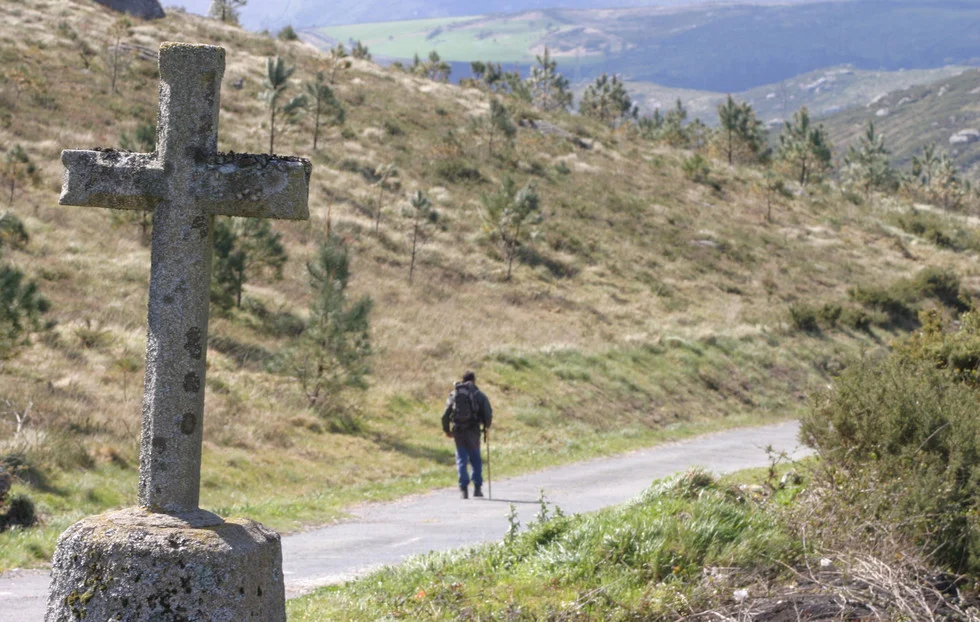
A different path
The Fisterra-Muxía Trail has a particularity that makes it unique.
While most routes lead towards Santiago de Compostela, this one continues from the Galician capital towards the west.
Many pilgrims decide to extend their experience until they reach the Atlantic.
Negreira.
Mazaricos.
EEC.
Corcubion.
Fisterra.
Muxia.
The landscape changes and the Camino takes on another rhythm.
But this uniqueness does not eliminate the risks derived from sharing some sections with roads.
Eleven paths that can change the experience
The new trails may seem like a small action if seen only as miles of work.
But for those who walk, they can have a very important impact.
Fewer cars passing nearby.
More peace of mind.
Greater feeling of security.
And more possibilities to enjoy the landscape without constantly paying attention to traffic.
On a route like Fisterra-Muxía, where many pilgrims are precisely looking for a quieter end to their Camino, this improvement makes even more sense.
The Camino is also protected
Talking about the future of the Camino does not only mean talking about promotion, statistics or new pilgrims.
It also means talking about security.
Signaling.
Maintenance.
And infrastructure designed for those who walk.
The eleven new paths of the Fisterra-Muxía Trail respond precisely to that need.
Because every time a pilgrim can leave the shoulder and walk along a route separated from traffic, the Camino becomes a little safer.
And that is also a way to take care of it.

















