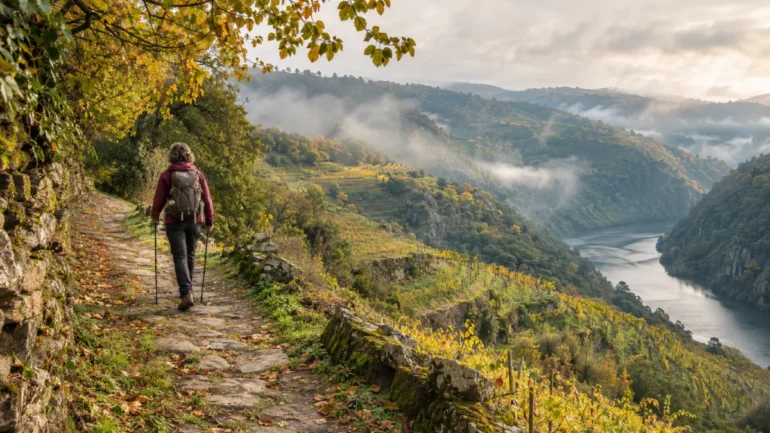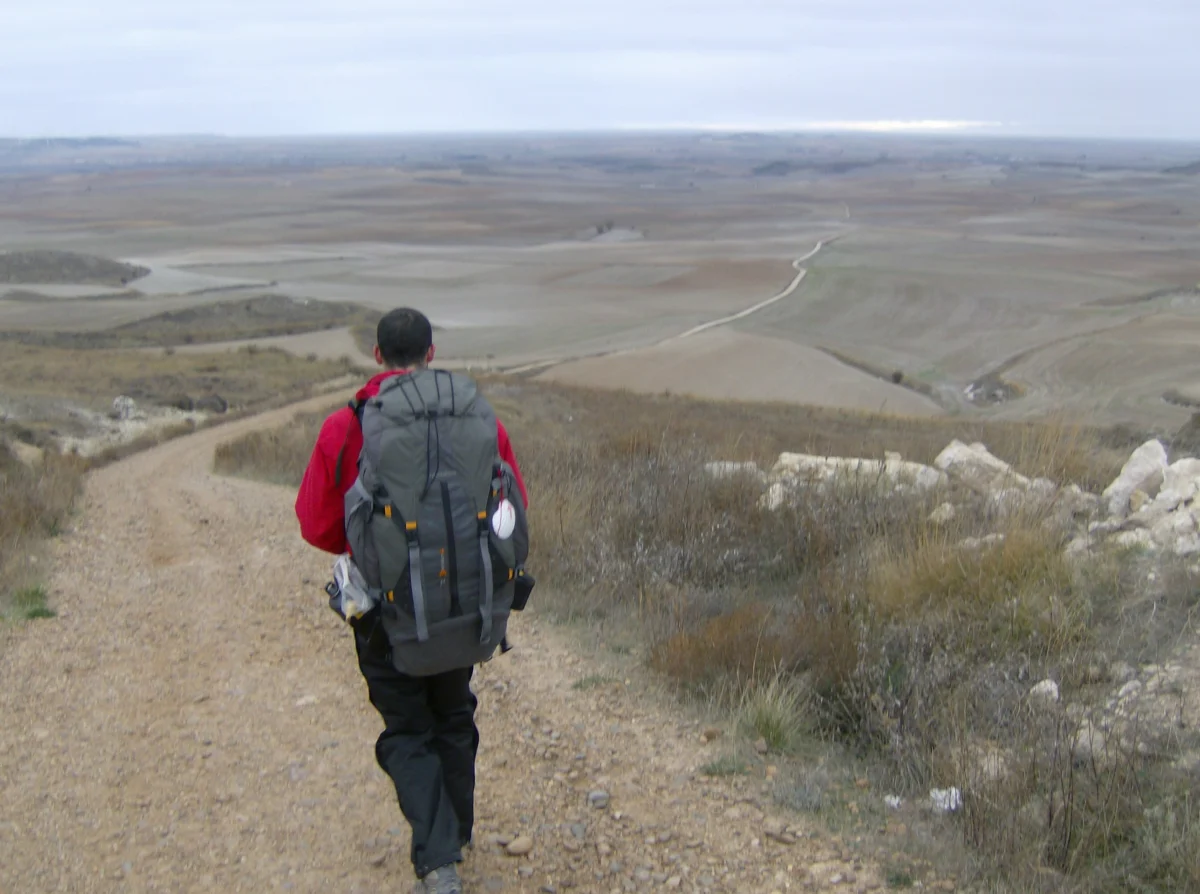
The Camino de Santiago in November is not like the one in midsummer. The landscape changes, there are fewer pilgrims and the days of daylight become shorter. Rain, cold and seasonal accommodations make it necessary to prepare each stage with a little more attention. These tips help you walk safely without giving up the charm of autumn.
There is no need to carry an expedition backpack or stop your pilgrimage because clouds are forecast. You need to know the route, adapt the distance to real conditions and have an alternative plan if the weather worsens. Fall can be a great time to walk, as we explain in our article about the Camino in autumn, as long as prudence sets the pace.
Less daylight hours: calculate the stage before leaving
In November it gets dark earlier. That is why it is advisable to go out with margin, but not walk in the dark to meet an ambitious schedule. Check the local sunset time, calculate stops and the time you can lose if it is muddy or rainy. A somewhat shorter stage allows you to enjoy the route and arrive at the hostel in peace.
Before setting off, check the forecast and official weather warnings. AEMET. If there is intense wind, storms or an adverse situation in the mountains, consider delaying the departure, taking a safe option or resting. Tomorrow's stage will still be there.
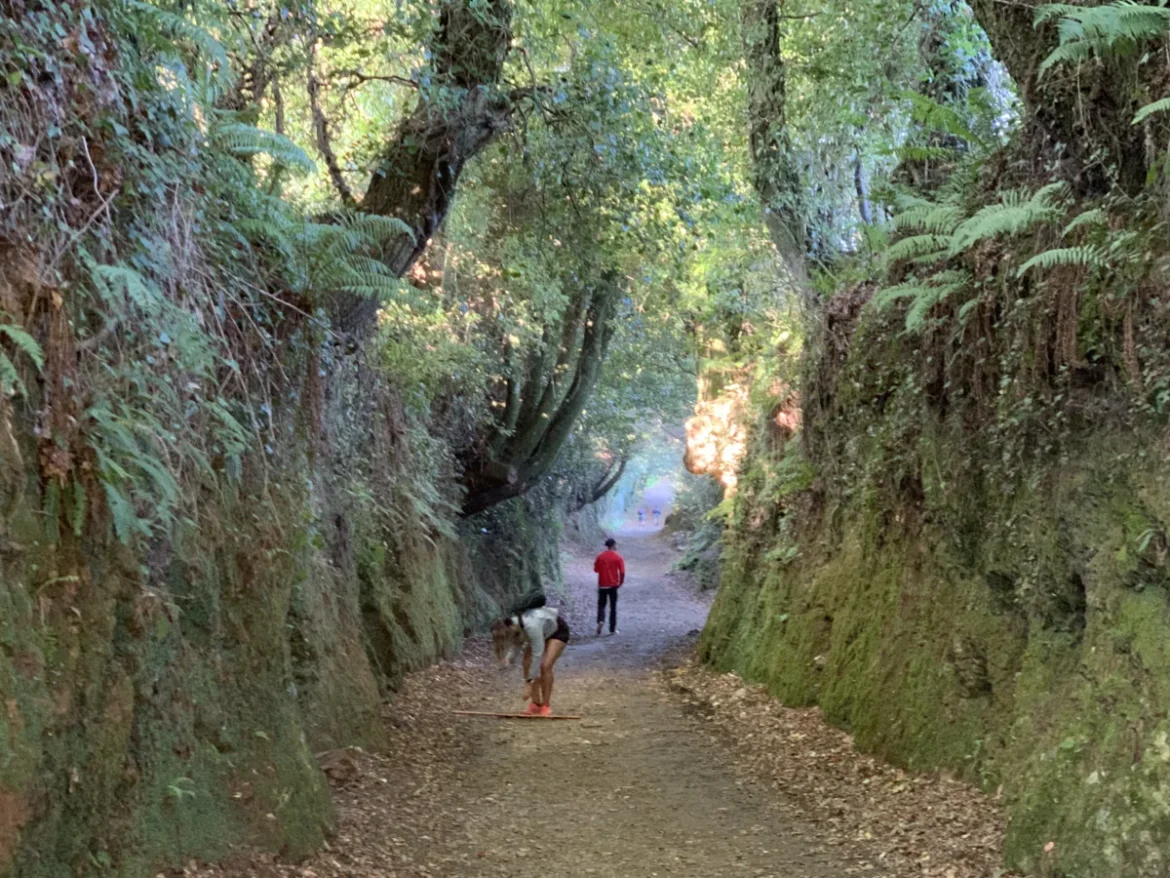
Bring a charged phone, an external battery and the downloaded itinerary to consult it without coverage. Communicate your destination to someone you trust if you walk alone. On roads and sections with reduced visibility, wear visible clothing and pay close attention to traffic: it is also part of following the Camino safely.
Layered clothing and dry feet, even if it rains all day
The most useful clothes are those that allow you to adapt to changes. Combine a breathable first layer, a warm one and a waterproof jacket that protects from the wind. A thin hat and light gloves take up little space and are appreciated when the temperature drops. The backpack cover helps, but also store your documentation, cell phone and dry clothes in waterproof bags.
Footwear should be tested before going out, with soles that grip well on wet stone and mud. Bring spare socks and change them when they are wet. If rubbing spots appear, stop before they turn into a blister. We have a specific guide on how to prevent blisters.
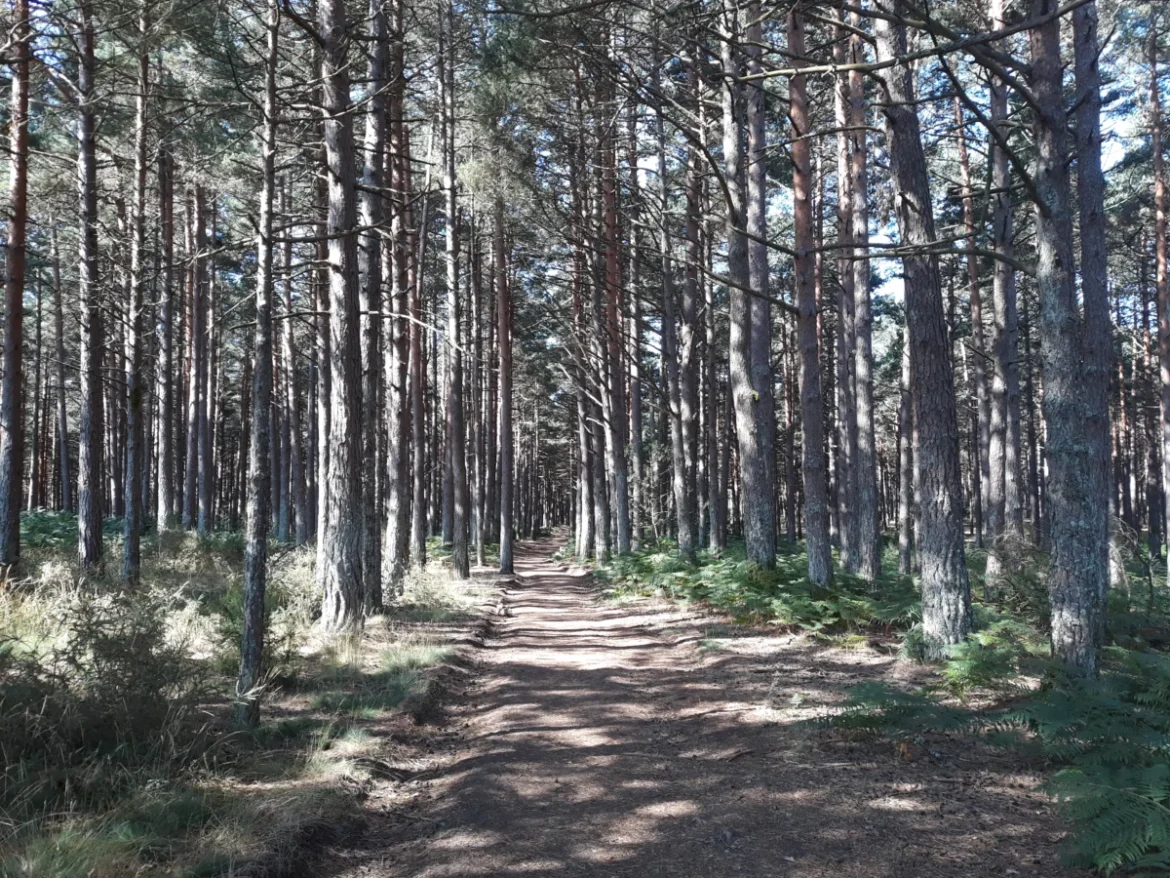
Poles can help on slippery descents, although they are not a substitute for caution. On walkways, wet leaves, roots and polished rock, reduce your pace. Do not cross swollen riverbeds or abandon a marked path to take a shortcut: in fog or poor visibility, a seemingly simple detour can become complicated.
Don't assume the next shelter will be open
Many accommodations change their hours or close during the low season. Check opening dates and call before you leave, especially on routes with few services. If a town does not have accommodation available, it may be advisable to finish the stage earlier or reorganize the itinerary.
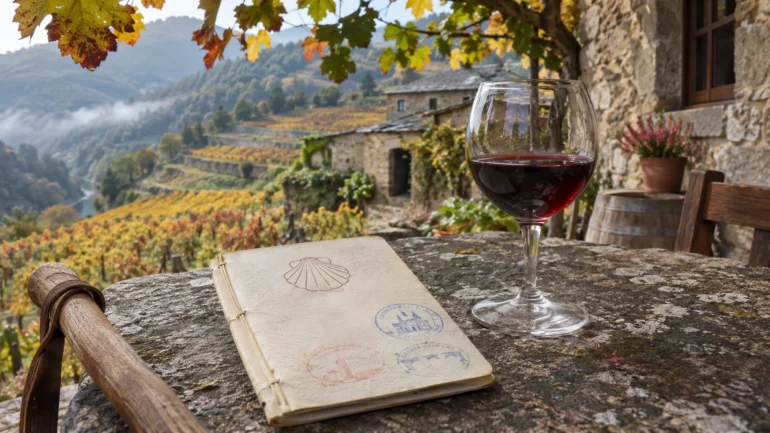
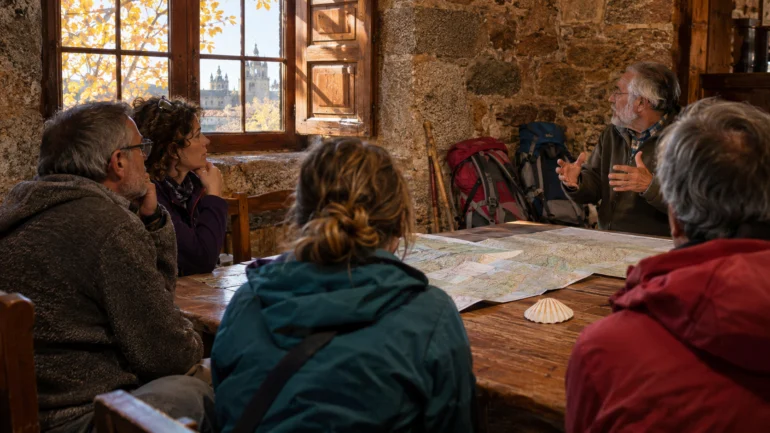
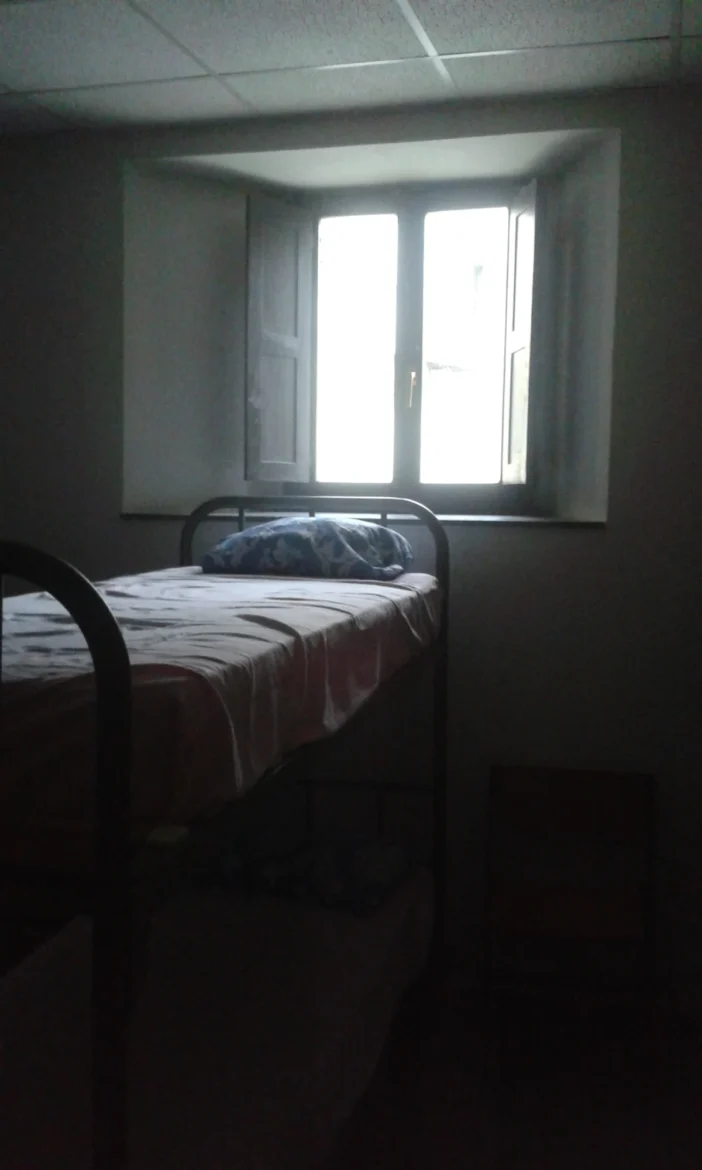
Also ask about the basic services you will need: possibility of drying clothes, heating, food and check-in times. Not all establishments offer the same. The photograph shows a hostel in Villaviciosa, in the North Road; It does not imply that it is open now, so you always have to confirm directly.
Eat, drink and know when it is best to stop
In the cold you also have to hydrate. Bring enough water depending on the stage, some easy-to-carry food, and a dry piece of clothing reserved for when you arrive. In rural areas, don't count on finding an open bar every few kilometers. Checking the supply points avoids setbacks.
If you feel exhausted, soaked, or having trouble warming up, seek shelter and ask for help. In an emergency, call 112 and indicate your location as accurately as possible. The recommendation from official sources is to prepare the route and adapt it to your physical condition, not to accumulate kilometers at any price.
In November, the good pilgrim is not the one who travels the most kilometers: he is the one who arrives safely, takes care of his feet, respects the weather and knows how to adapt the Camino to each day.
Sources: Camino de Santiago in Galicia (official advice); recommended luggage; safety during the Camino; AEMET.