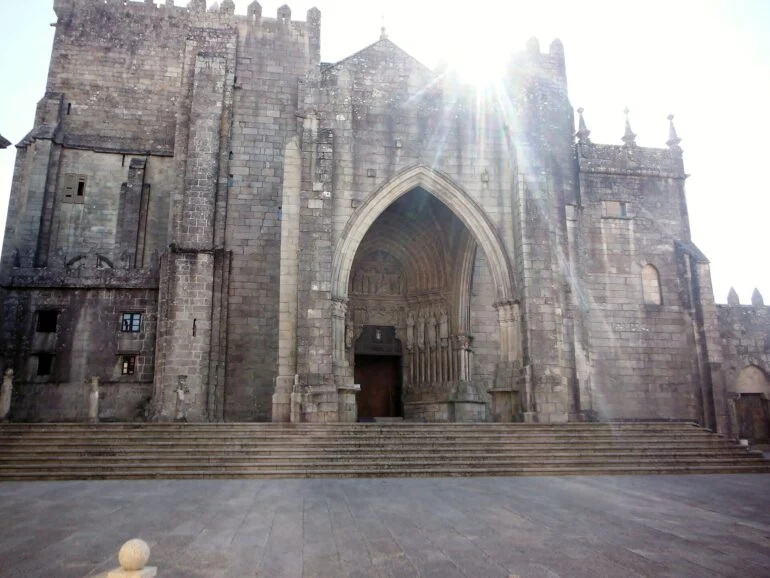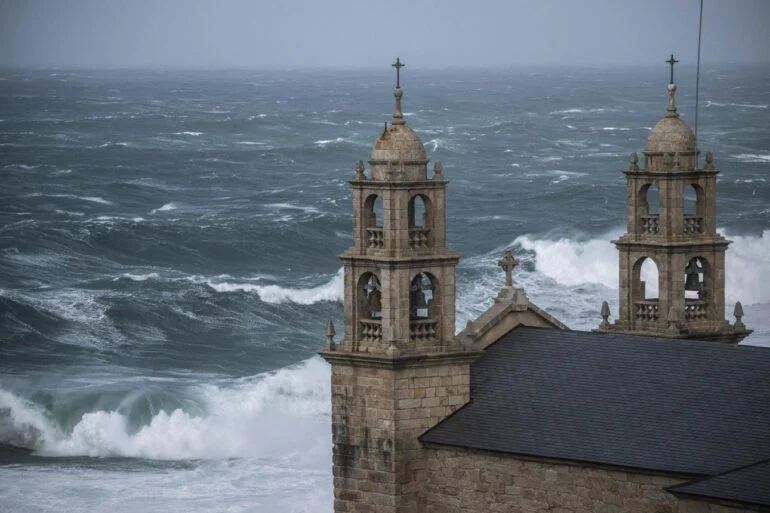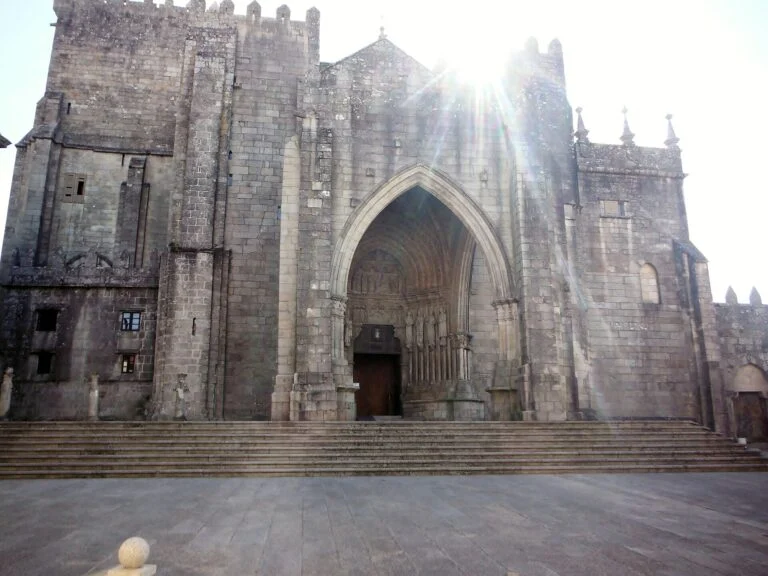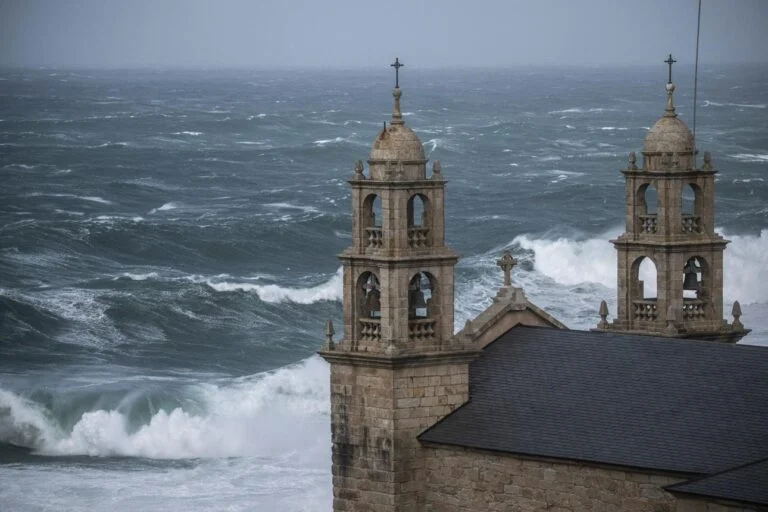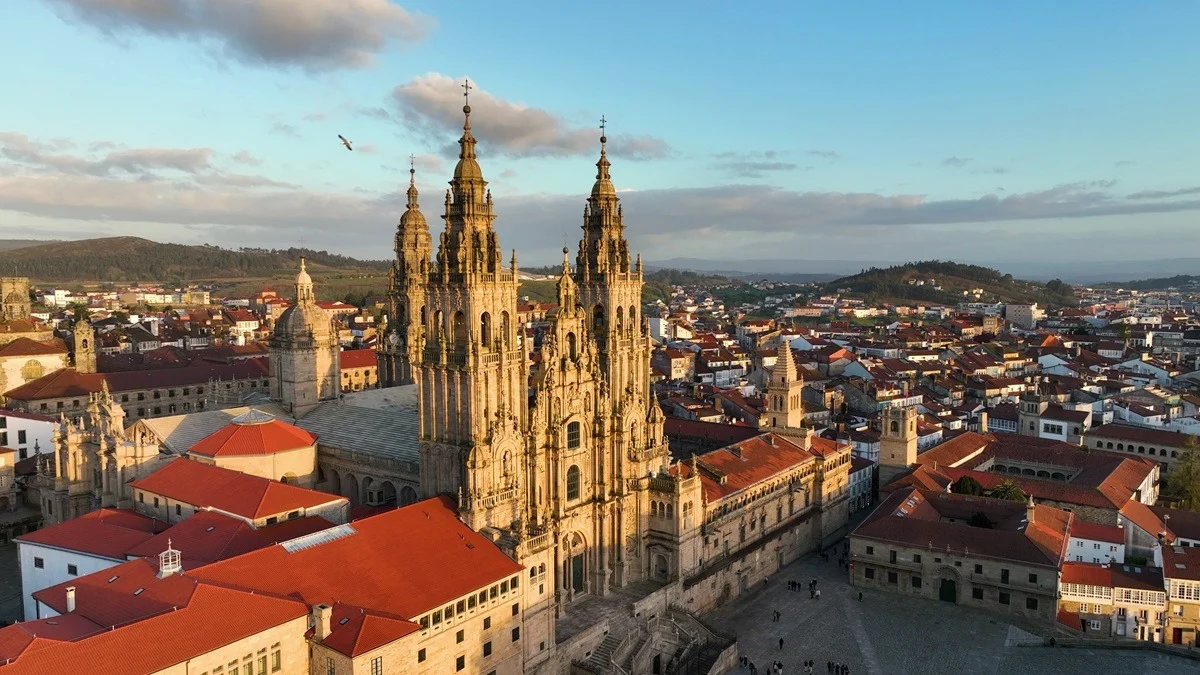



Historian Ana Velasco has revealed a fascinating connection between the well-known board game of the Goose and the Camino de Santiago, a link that seems to have remained hidden for centuries. During his speech in Herrera at COPE, Velasco explained how this popular game could be inspired by the Templars and their links with medieval pilgrims, who traveled the Jacobean route. An analysis that invites us to rediscover the history of money and power that circulated among the pilgrims on their journey to Santiago de Compostela.
In a talk with Alberto Herrera, Ana Velasco revealed surprising details that connect the Templars, the pilgrims and the game of Goose, a traditional game that is played with a board full of squares. But, beyond the simple rules of the game, Velasco maintained that the squares of the game can be interpreted as a reflection of the history of the Templars, who not only played a crucial role in the Crusades, but were the repositories of large sums of money coming from pilgrims who went to Holy Land or, as the historian explains, to Santiago de Compostela.
"The Templars believe that the Goose game is an imitation of the history of the Templars and how they were the depositaries of almost all the sums of money for travelers when they went on pilgrimage, either to Jerusalem or to Santiago de Compostela," explained Velasco. According to her, in the game, the boxes would represent the Templar banks, where pilgrims left their money before starting their journey or at the end of their pilgrimage.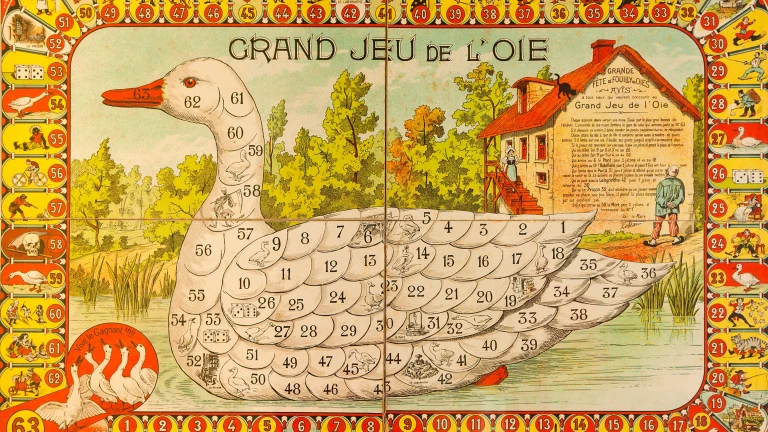
Camino de Santiago and the goose game. To understand this connection, it is first necessary to go back to the history of the Templars. Founded in 1119, the Order of the Temple Not only was it one of the main military forces in the Crusades, but it became a powerful economic player in Europe. As Velasco explains, "the Templars were the most important bankers of the Middle Ages, they managed large sums of money and carried out advanced financial activities for the time."
Bankers of the Middle Ages
The Temple not only owned vast lands, but developed a banking system based on the secure exchange of money through bills of exchange. These bills of exchange allowed pilgrims to leave money at a temple in one part of Europe and withdraw it at another, preventing them from transporting large amounts of cash along dangerous routes. This innovation greatly facilitated travel, and it is possible that the game of Goose alludes to the function of these temples as "banks" for pilgrims.