



Mallorca launches its own Camino de Santiago: The mythical route that begins in the Sanctuary of Lluc
PALMA, Mallorca — Balearic hikers are in luck. The new route of the Camino de Santiago in Mallorca has been officially presented, an itinerary that connects the spiritual heart of the island, the Sanctuary of Lluc, with the capital, Palma, passing through the most emblematic towns of the Serra de Tramuntana.
The starting point of this new layout could not be more appropriate. The route starts in Lluc, a forest considered sacred and the epicenter of Mallorcan spirituality. This is where the famous legend of The Bella Dona Salt and where the mythical monastery, whose origin dates back to 1230, consolidates a tradition of Christian worship and pilgrimage that was expanded at the end of the 14th century with the route that started from Inca.
A Journey through the Serra de Tramuntana
The meticulously designed route covers a dozen municipalities, offering a route that is a tribute to the rural charm of the Serra de Tramuntana. The pilgrims will pass through Escorca (where the Sanctuary of Lluc is located), Caimari, Selva, Inca, Lloseta, Binissalem, Alaró, Consell, Santa Maria del Camí, Marratxí (including Sa Cabaneta and Pòrtol) and will end in Palma.
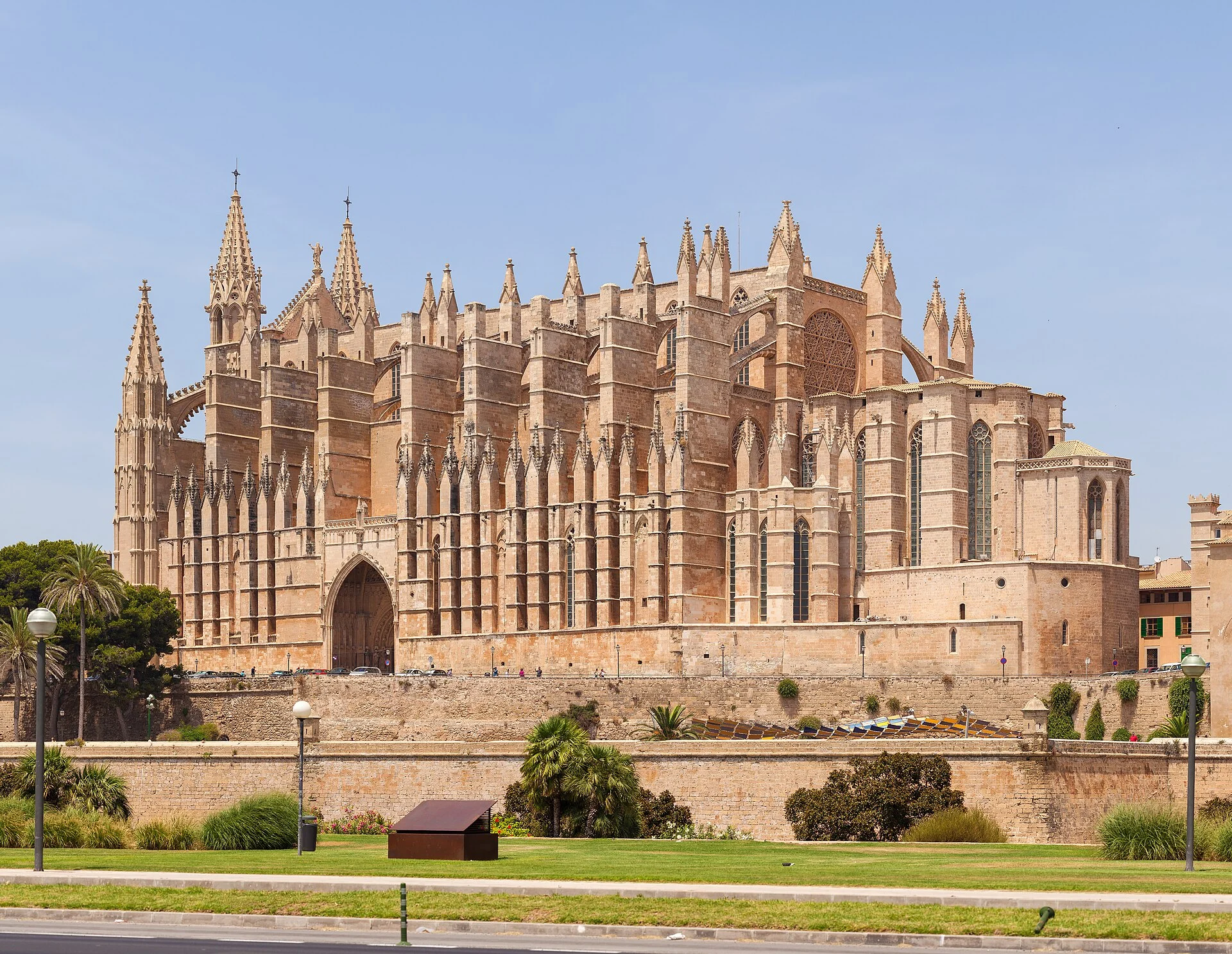
In the capital, the route will culminate with a visit to two important religious jewels: the church of the Mare de Déu de Montserrat and the church of Sant Jaume.
Designed for Everyone: Safety and Signage
The official presentation of the route was attended by island authorities and representatives of Jacobean culture. The Minister of the Environment, Pedro Bestard, stated that this route is a "dream" for the island's hikers who "claimed to be able to do the Camino de Santiago in Mallorca."
Bestard stressed that the route is designed to be enjoyed by everyone, not just the most experts, ensuring that it will be «perfectly signposted so that it can be carried out without any type of difficulty».
For his part, the president of the Federation of Local Entities of the Balearic Islands (FELIB), Jaume Ferriol, highlighted the Federation's commitment to the project, valuing that the new route "honors tradition." Ferriol confirmed a very special detail for pilgrims: they will be able to obtain a specific seal of each town to stamp on your Camino de Santiago credential, adding a unique value to the experience.
A Project of Unity and Memory
The event also wanted to recognize the fundamental role of Jaume Alemany, the main promoter of the Jacobean route in Mallorca.
Josep Antoni Aguiló, head of the Environment Service, explained that the technical drafting of the route, the delimitation of the stages and the signage to guarantee maximum safety and reduce difficulty will be tasks carried out by the Dry Stone Unit of the Department of Environment, Rural Affairs and Sports of the Consell.
The event also brought together key figures such as the general secretary of the FELIB, Neus Serra, the insular director of the Environment, Lluís Rubí, the parish priest of the Mare de Déu church in Montserrat and the president of the Association of Friends of the Camino de Santiago in the Balearic Islands and canon of the cathedral of Santiago.

















