


Mexico promotes its own Camino de Santiago in Querétaro as a reference for religious tourism
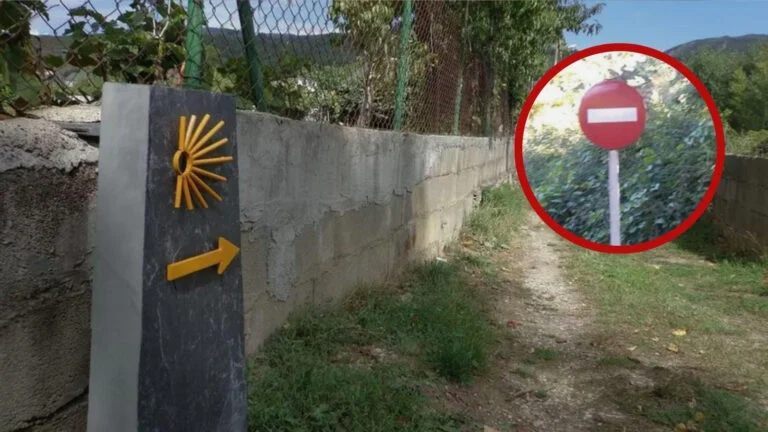
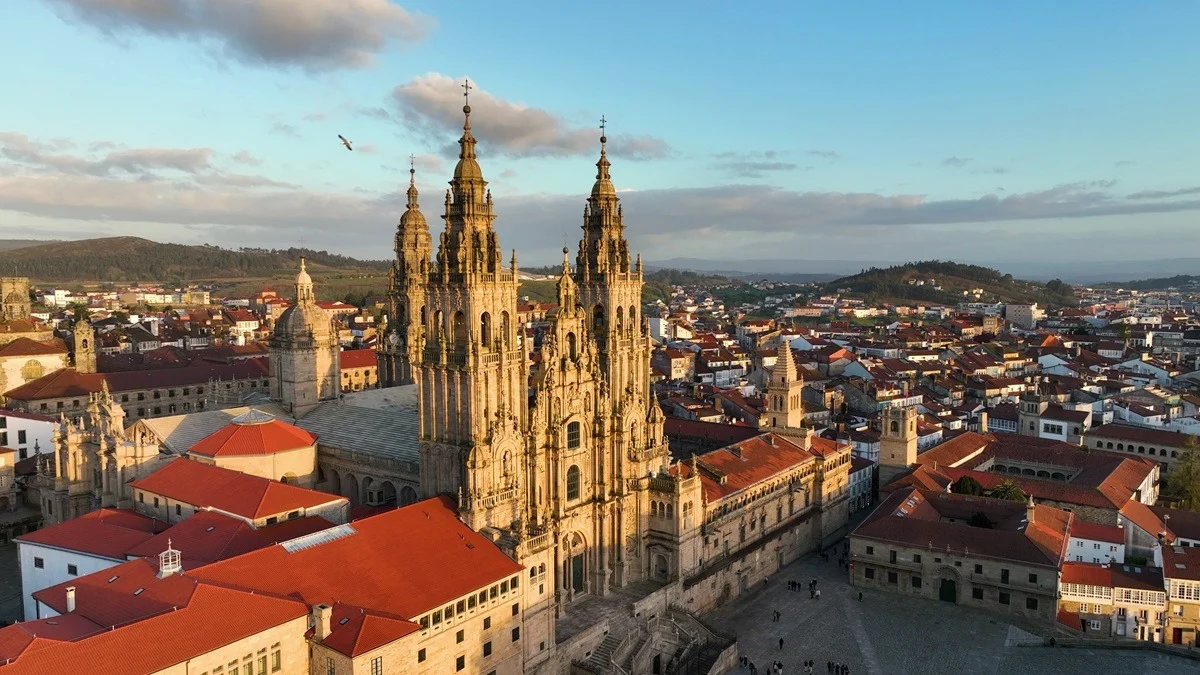
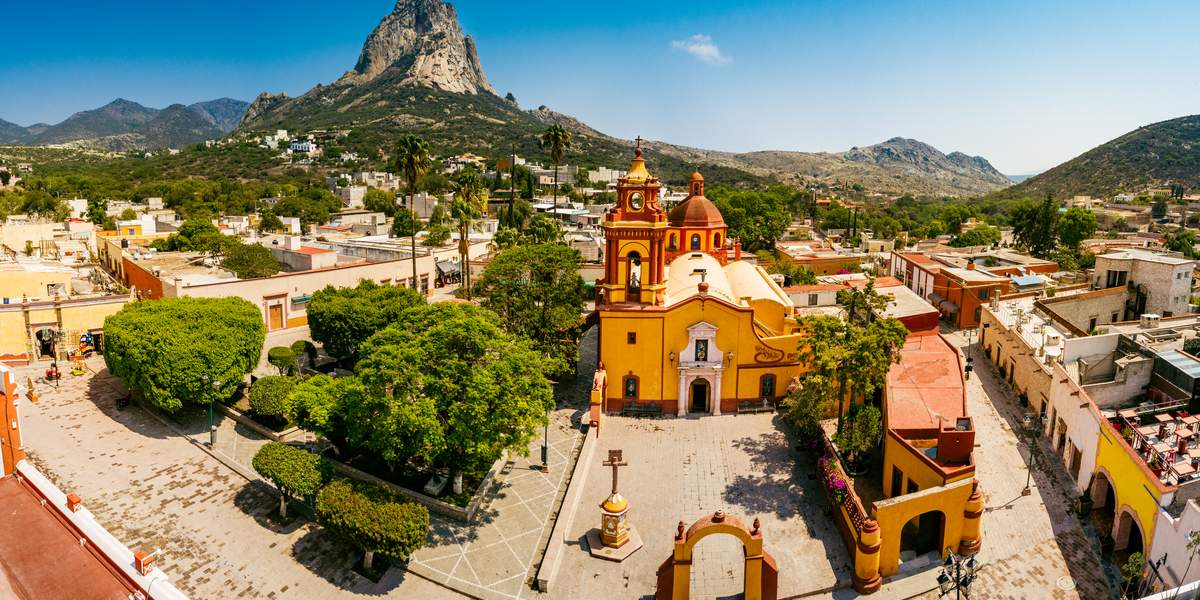
He Camino de Santiago in Querétaro consolidates itself as one of the most outstanding initiatives of religious tourism in Mexico, inspired by the historic European Jacobean route but adapted to the cultural, spiritual and social identity of the country. This project seeks to offer pilgrims an experience of faith, reflection and community encounter, while strengthening local development.
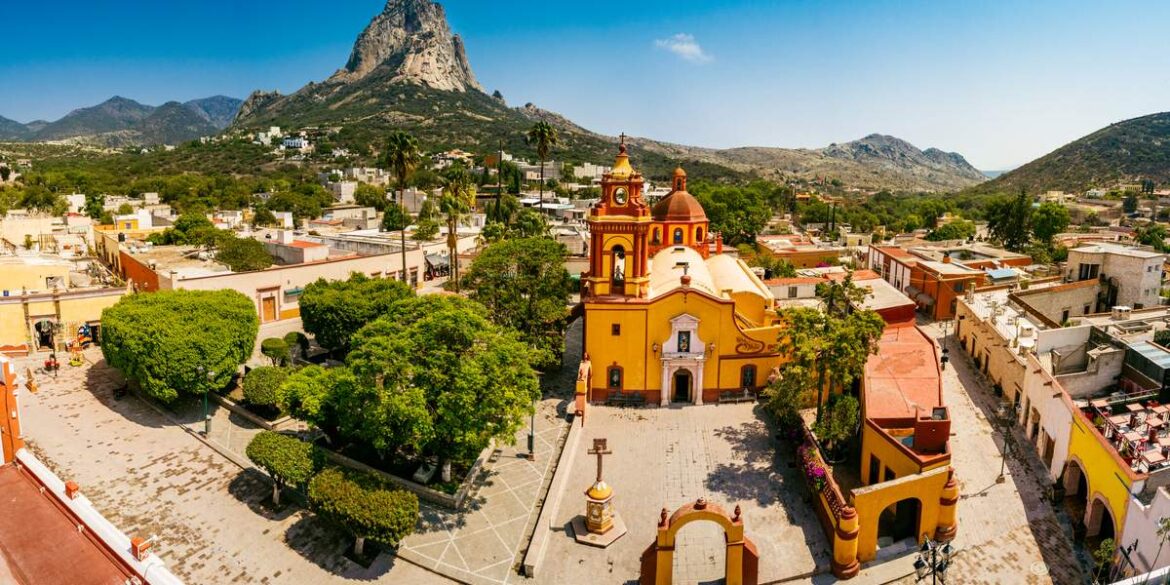
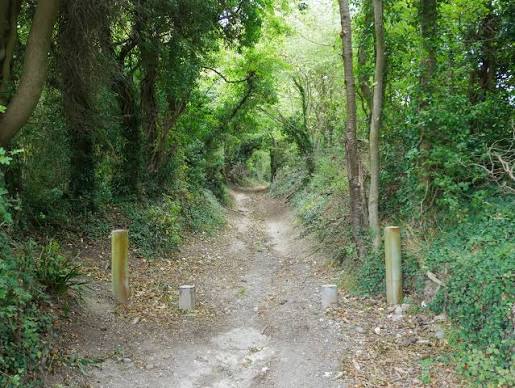
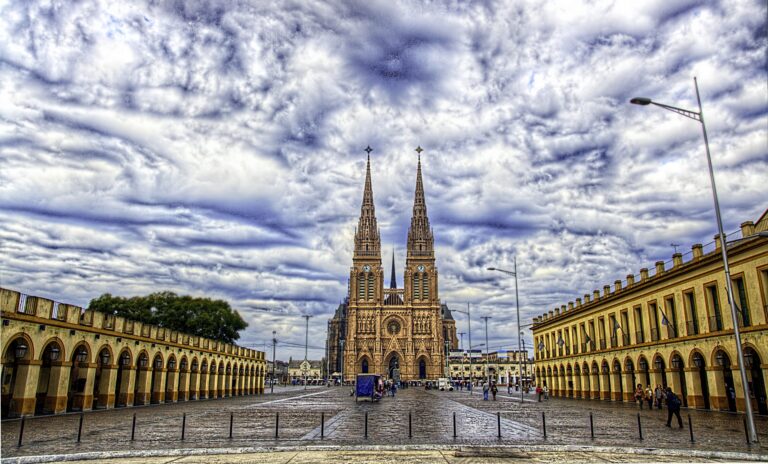
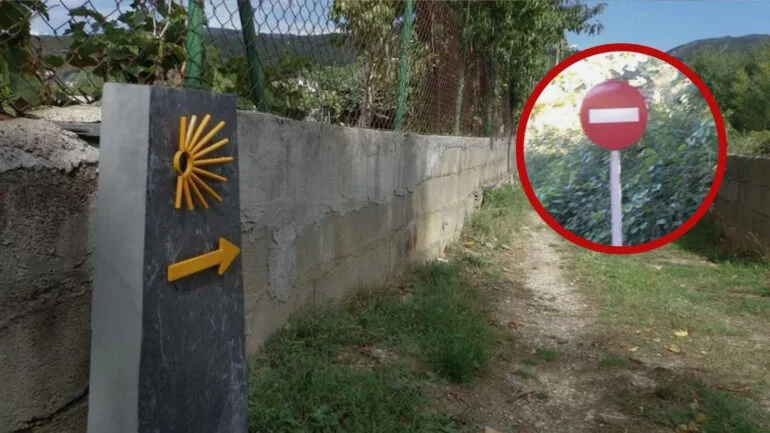
The route runs through different municipalities in the state of Queretaro, integrating temples, natural landscapes and communities that actively participate in welcoming walkers. Like the original Camino de Santiago, the itinerary promotes values such as solidarity, hospitality and spiritual growth, becoming an accessible alternative for those who cannot travel to Europe.
A spiritual experience with Mexican identity
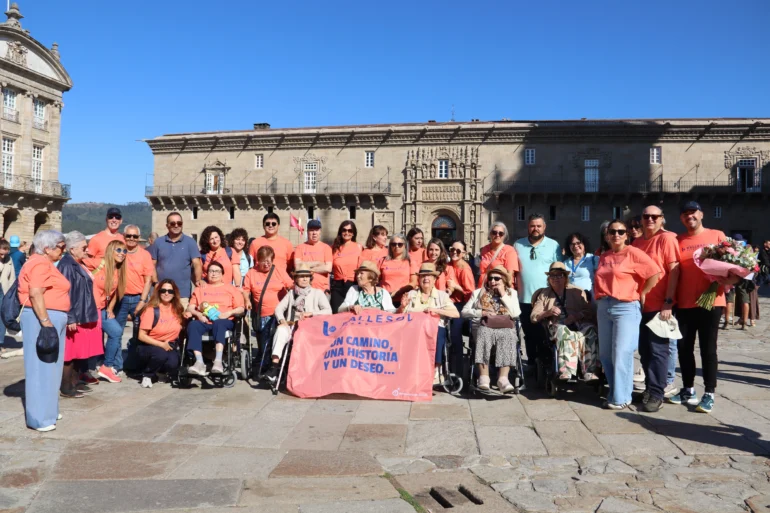
The Camino de Santiago from Querétaro is not only a tourist proposal, but a living faith experience, supported by religious and civil institutions. Throughout the route, pilgrims participate in celebrations, moments of prayer and cultural activities that reinforce the sense of community and belonging.
In addition, the project boosts the local economy by supporting small businesses, accommodations and services, demonstrating that religious tourism can be an effective tool for sustainable development.
Connection between Mexico and the Jacobean tradition
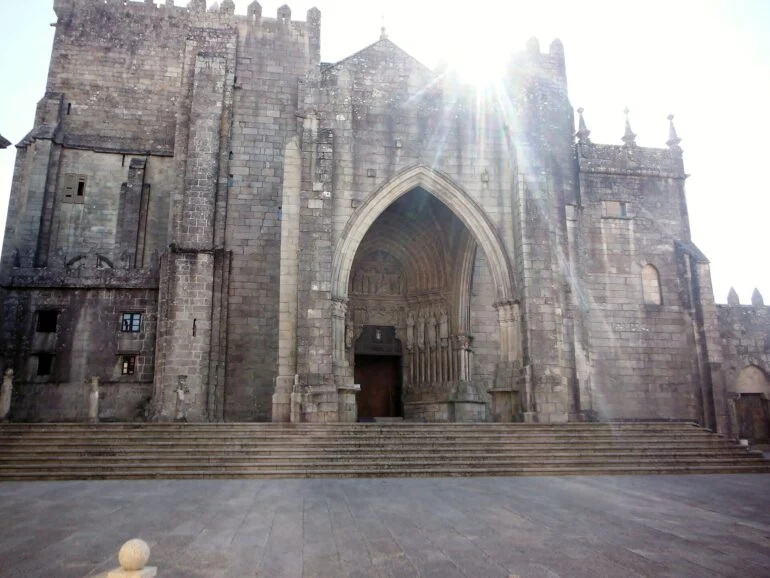
The initiative reinforces the spiritual and cultural ties between Mexico and Santiago de Compostela, adapting the spirit of the Camino de Santiago to the Latin American reality. More and more national and international pilgrims are interested in this route, attracted by its religious significance and cultural richness.
With the growth of the Camino de Santiago in Querétaro, Mexico is positioned as a new benchmark in religious tourism, demonstrating that the Jacobean spirit transcends borders and reinvents itself in new territories.