



The ULE Launches the First Official Microcredential Dedicated to the Camino de Santiago
New Training Program to Professionalize the Tourism Sector
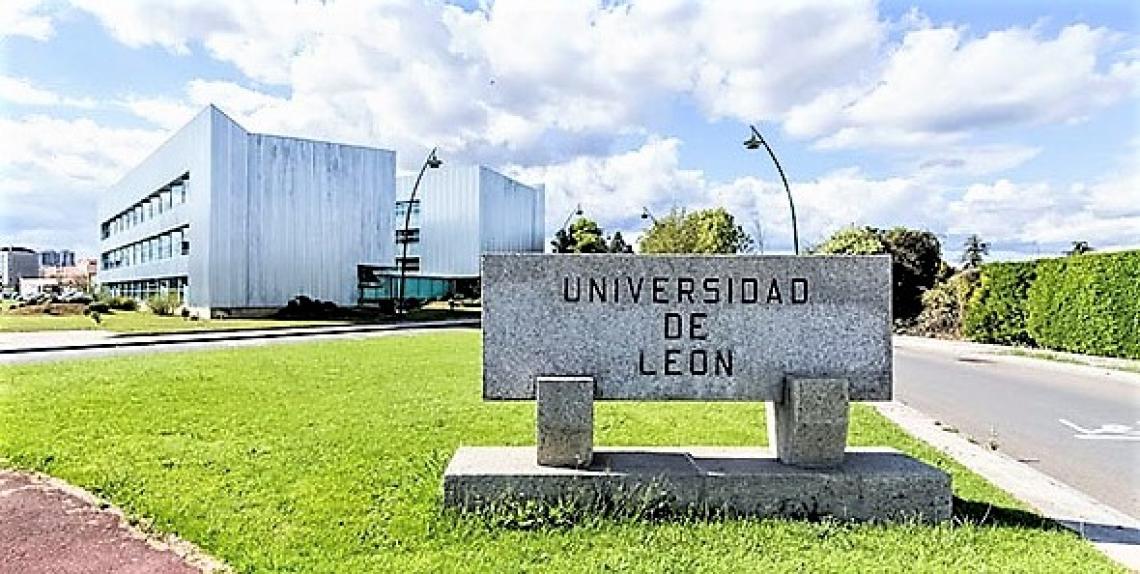
LEÓN, [Publication Date] – The University of León (ULE) has launched a pioneering and specialized initiative in tourism: the Camino de Santiago microcredential. This new vocational training program, the first of its kind, seeks to train and professionalize the key actors operating on the Jacobean routes.
The program is designed to offer a deep understanding of the Camino phenomenon and transform it into sustainable business opportunities.
🎯 Key Recipients
The Microcredential is aimed at a wide range of professionals and entrepreneurs, with special emphasis on those who interact directly with pilgrims. Among the main recipients are:
- Tourist Guides and members of hospitality and trade associations.
- Local businessmen and entrepreneurs with interest in opening or improving businesses around the Camino (hostels, restaurants, bicycle services, etc.).
- Hospitallers and Camino volunteers.
- Tourism, marketing and administration students.
📚 Program Modules and Content
The course is structured into thematic units that cover both the history and modernization of Jacobean tourism:
- History, Economic Impact and Heritage of the Camino de Santiago.
- Segmentation and Behavior of Pilgrims, with focus on detecting new business opportunities.
- Camino Marketing: Strategy, brand building and efficient use of social networks.
- Economy and Entrepreneurship around the route.
- Digital Innovation and Sustainability in the Jacobean tourism sector.
💰 Promotion of Inclusion
The ULE has established an inclusive policy on access to this training. Although a previous university degree is not required, the Microcredential offers significantly reduced costs (being only €3 more secure) for groups such as unemployed people, beneficiaries of the Minimum Living Income or people with disabilities equal to or greater than 33%.
With this proposal, the University of León seeks to strengthen the quality and professionalization of the sector, ensuring that the phenomenon of the Camino de Santiago is managed in a sustainable way and with a vision for the future.

















