













The newest long-distance pilgrimage route in Spain is set to become one of Europe’s most spectacular walking and cycling adventures.
Galicia is preparing to unveil one of its most ambitious tourism and pilgrimage projects in decades. This week, the final signposts are being installed along the Camino del Litoral, a breathtaking 1,300-kilometre coastal route that stretches from Ribadeo, on Galicia’s northern border, to A Guarda, near Portugal. Once completed, all 52 stages of the route will be fully marked, making it easier than ever for walkers and cyclists to discover the Atlantic coast of northwestern Spain.
While the Camino de Santiago has always been associated with inland pilgrimage routes leading to Santiago de Compostela, the Camino del Litoral offers something entirely different: an unforgettable journey where the sea becomes the constant companion.
A New Way to Experience Galicia
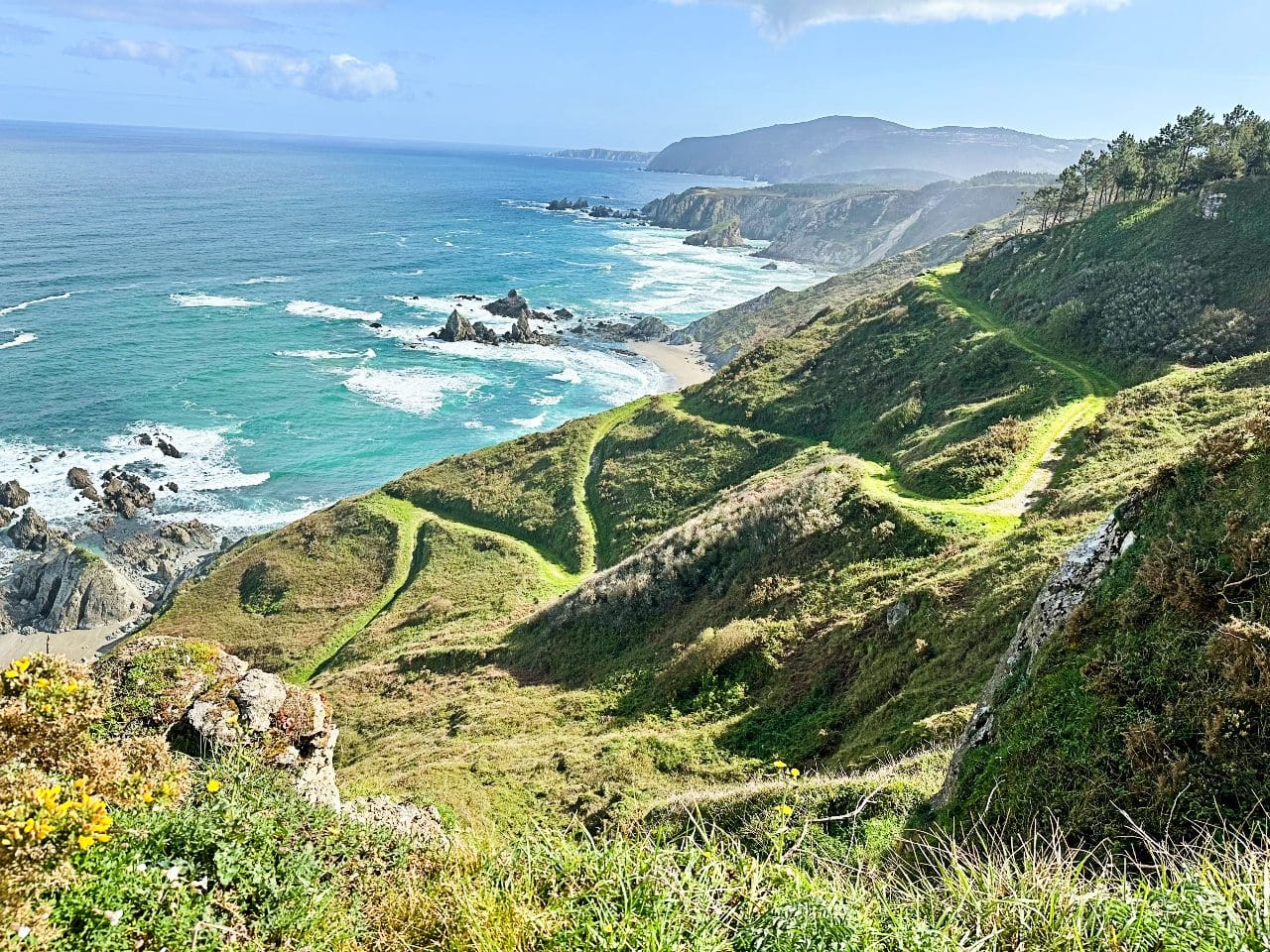
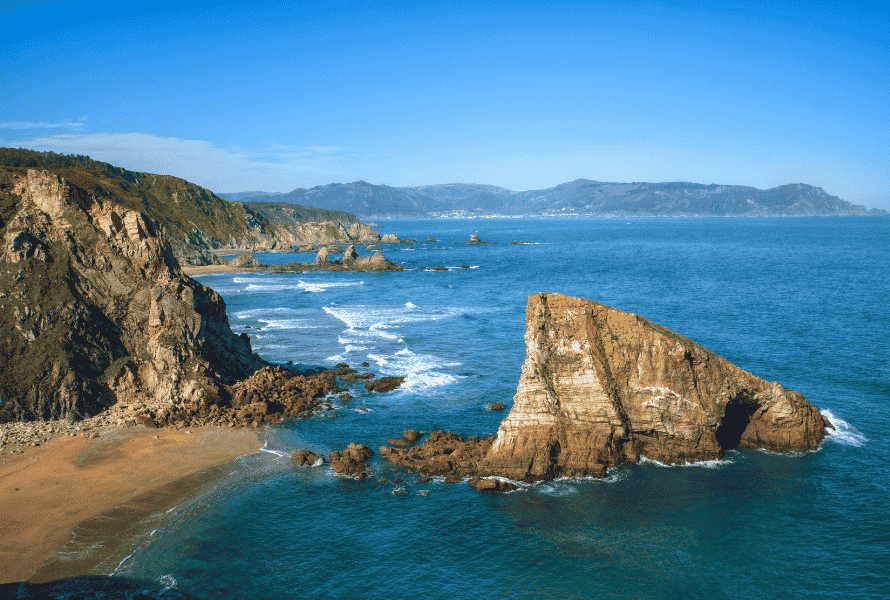
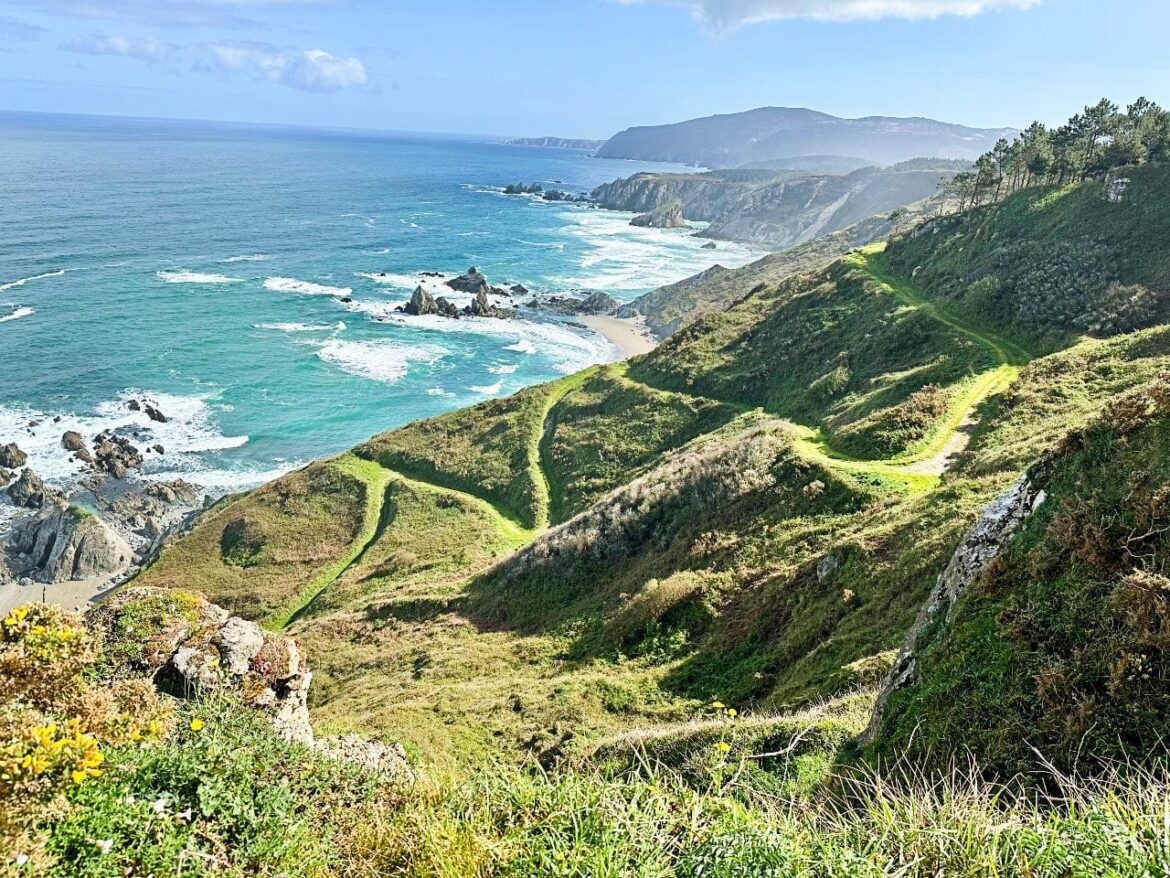
Unlike the traditional pilgrimage routes that focus on medieval villages and mountain landscapes, the Camino del Litoral follows one of Europe’s most dramatic coastlines. Pilgrims and hikers will travel through fishing villages, endless beaches, towering cliffs, estuaries, natural parks, historic lighthouses and charming harbours, experiencing Galicia from a completely new perspective.
The route has been designed to be enjoyed both on foot and by bicycle, opening the experience to a much wider audience. Families, adventure travellers, cycling enthusiasts and experienced pilgrims will all find a journey adapted to their interests.
More Than 1,300 Kilometres of Atlantic Beauty
The Camino del Litoral is one of the longest continuous coastal walking routes in Spain.
Divided into 52 stages, it connects almost the entire Galician coastline, linking dozens of seaside towns and crossing 79 municipalities. Along the way, visitors will encounter some of Galicia’s most iconic landscapes:
- The spectacular cliffs of the Costa da Morte.
- Peaceful estuaries filled with traditional shellfish farms.
- Historic fishing ports.
- Endless Atlantic beaches.
- Protected natural reserves.
- Ancient Celtic settlements and maritime heritage.
Rather than creating entirely new paths, the project carefully connects existing coastal trails, local footpaths and greenways into one continuous, clearly signposted itinerary.
Clear Signposting for Every Stage
One of the biggest challenges for any long-distance trail is navigation.
That is why Galicia has invested heavily in creating a standardised signposting system that will guide travellers safely throughout the entire route. Directional markers, information panels and official route indicators are being installed along every stage to provide a consistent experience from start to finish.
For international visitors, this represents a major improvement. Instead of relying entirely on GPS devices or mobile applications, walkers will be able to follow the official route using clear physical markers, much like they do on the traditional Camino de Santiago.
The final installation work now underway marks one of the last major milestones before the route becomes fully operational.
Boosting Sustainable Tourism
The Camino del Litoral is far more than another hiking trail.
Regional authorities see it as a strategic investment in sustainable tourism, helping distribute visitors beyond Santiago de Compostela and into coastal communities that traditionally receive fewer international tourists.
Local businesses—including family-run hotels, hostels, restaurants, cafés and small shops—are expected to benefit significantly from the increased flow of walkers and cyclists.
Instead of concentrating tourism in a few well-known destinations, the new route encourages visitors to spend several weeks exploring Galicia’s coastline, supporting local economies along the way.
A Different Kind of Pilgrimage
Although the Camino del Litoral is not one of the historic medieval pilgrimage routes officially recognised as a traditional Camino de Santiago, many travellers are expected to combine it with existing pilgrimage paths.
Several sections intersect with well-established Jacobean routes, allowing pilgrims to leave the coast and continue towards Santiago de Compostela if they wish.
For many modern pilgrims, the experience is becoming less about following a single historic itinerary and more about discovering Galicia through nature, culture and personal reflection.
The Camino del Litoral perfectly fits this growing trend.
Walking Beside the Atlantic
Perhaps the greatest attraction of the Camino del Litoral is the constant presence of the Atlantic Ocean.
Unlike inland routes, the sea is never far away. Every day offers new coastal scenery, changing tides, dramatic sunsets and fresh ocean air.
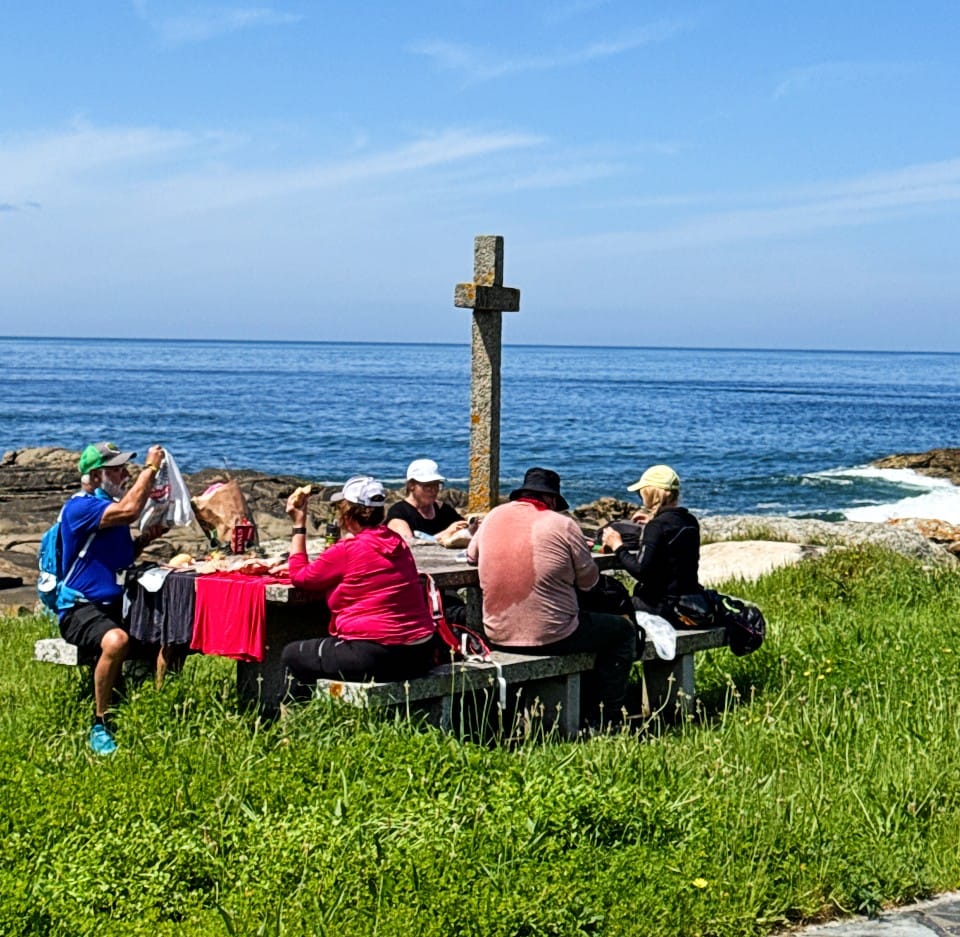
Travellers can enjoy seafood in traditional fishing villages, watch fishermen return to harbour, visit historic lighthouses or simply relax on quiet beaches after completing a stage.
It is an experience that combines pilgrimage, nature tourism and outdoor adventure in equal measure.
An International Attraction
Interest in coastal walking holidays continues to grow across Europe and beyond.
With the popularity of the Camino Portugués Coastal Route, the Camino Inglés, and other alternative pilgrimage paths increasing every year, the Camino del Litoral arrives at exactly the right moment.
Its combination of spectacular landscapes, excellent infrastructure and authentic local culture makes it attractive not only for experienced pilgrims but also for travellers looking for a multi-day walking holiday in northern Spain.
As international tourism continues to recover and diversify, the new coastal route is expected to become one of Galicia’s flagship tourism products.
A Landmark Moment for Galicia
The completion of signposting across all 52 stages represents much more than finishing a public infrastructure project.
It symbolises Galicia’s commitment to promoting sustainable travel, protecting its coastline and offering visitors new ways to experience one of Europe’s richest natural and cultural regions.
For walkers searching for an unforgettable coastal adventure, cyclists looking for a long-distance challenge, or Camino enthusiasts eager to explore beyond the traditional pilgrimage routes, the Camino del Litoral may soon become one of Spain’s most exciting destinations.
With every marker now being placed, the Atlantic is about to welcome its newest great journey.