Two pilgrimage routes, two continents and one remarkable milestone. Japanese pilgrim Megumi Tominaga, from Yamaguchi, has become the 20,000th person recognised by the Dual Pilgrim programme after completing both Japan’s Kumano Kodo and Spain’s Camino de Santiago in 2026. Her achievement brings fresh attention to a partnership that has connected the sacred trails of Japan and Galicia for more than a decade.
From the forests of Kumano to the streets of Santiago
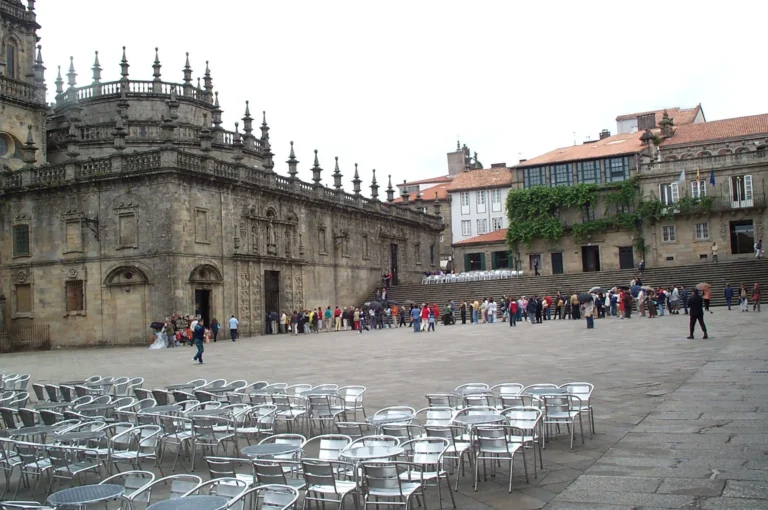
Tominaga walked the Nakahechi route of the Kumano Kodo in March, beginning at Takijiri-Oji on 10 March, according to her entry in the programme’s official pilgrim register. Eight months later, she travelled to Galicia to walk the Camino Francés from Sarria. She reached Santiago de Compostela on 17 November, having completed both journeys independently and on her own.
Her arrival marked a numerical landmark for an initiative that celebrates the experience of travelling two historic pilgrimage networks. Santiago’s tourism authorities presented her with the commemorative Dual Pilgrim certificate on 19 November, along with a small gift of material connected to the medieval Codex Calixtinus.
The official Dual Pilgrim website identifies Tominaga as its 20,000th registered participant. The figure refers to people recognised by the joint programme, not to the total number of walkers who have ever visited either trail. That distinction matters: many more people walk the Camino de Santiago or Kumano Kodo without registering for the dual recognition.

Two UNESCO pilgrimage traditions, one shared passport
The Dual Pilgrim programme began on 1 February 2015. It was developed through cooperation between Santiago de Compostela and Tanabe, the Japanese city associated with the Kumano pilgrimage region. Their municipal relationship dates back to a cooperation agreement signed in 2008.
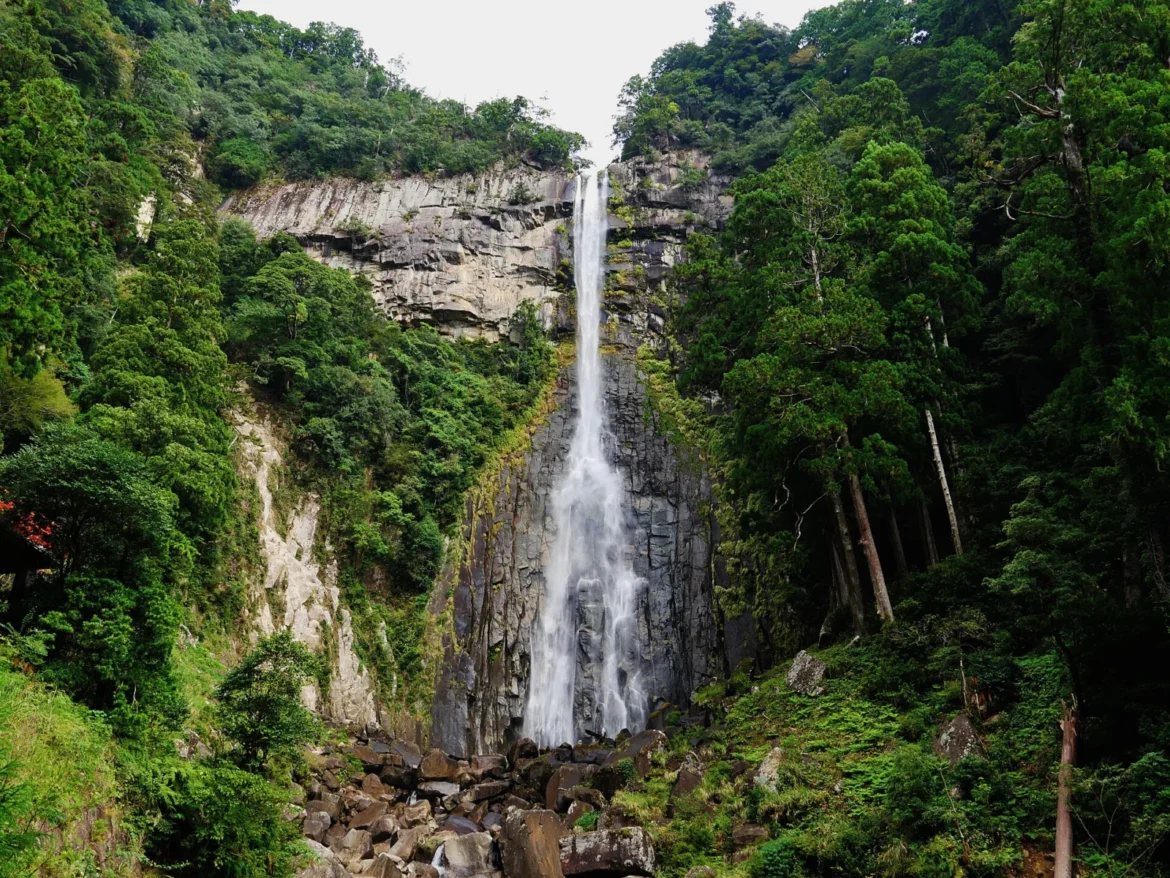
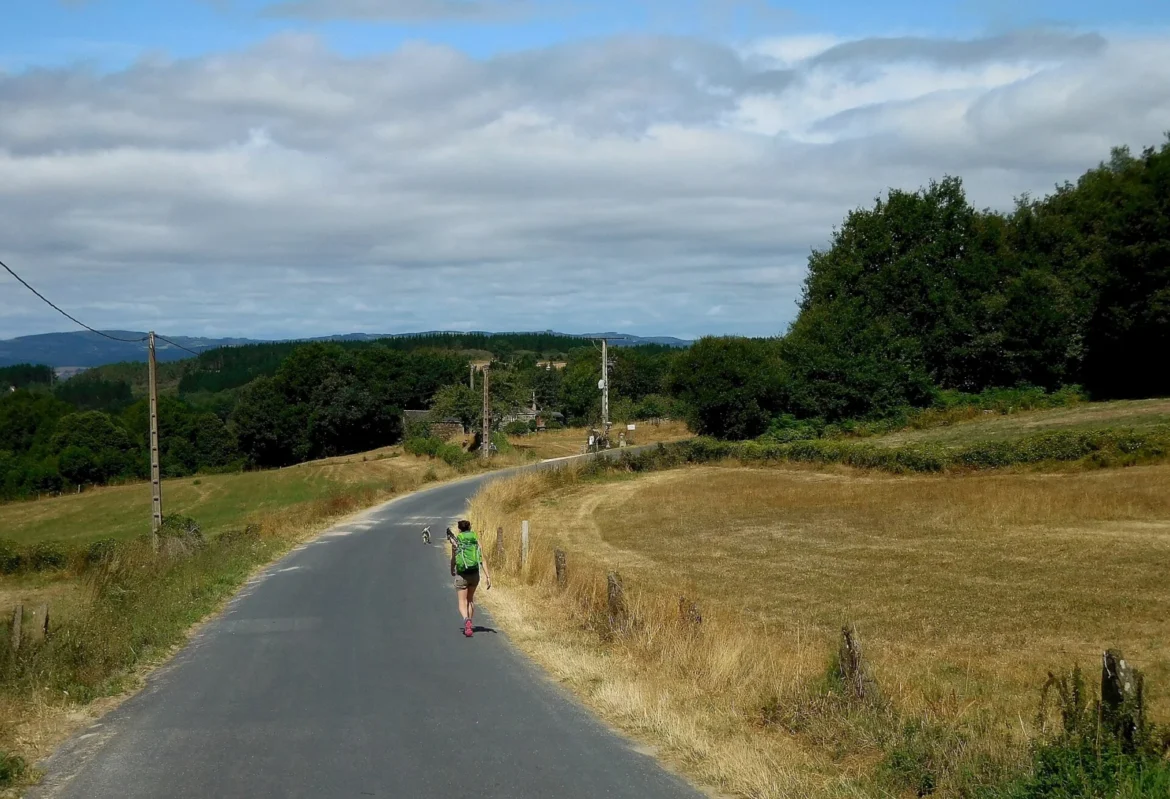
Both pilgrimage networks have UNESCO World Heritage recognition. The Camino de Santiago crosses a wide variety of European landscapes, from towns and farmland to mountain passes. Kumano Kodo follows historic paths through the Kii Peninsula, where pilgrimage has long been connected with sacred shrines and forested mountains. Their religious traditions differ, but both place walking, heritage and personal reflection at the heart of the journey.
The programme’s symbol combines two distinctive emblems: the scallop shell associated with Santiago and the three-legged crow of Kumano. Those who meet the requirements and register receive a certificate and commemorative pin. Participants may also choose to have their achievement recorded on the shared website.
RTV Camino de Santiago has previously explored the links between the Camino and Kumano Kodo and the wider interest in the Camino among Japanese pilgrims. Tominaga’s recognition offers a personal example of that long-standing relationship.
How can other walkers become Dual Pilgrims?
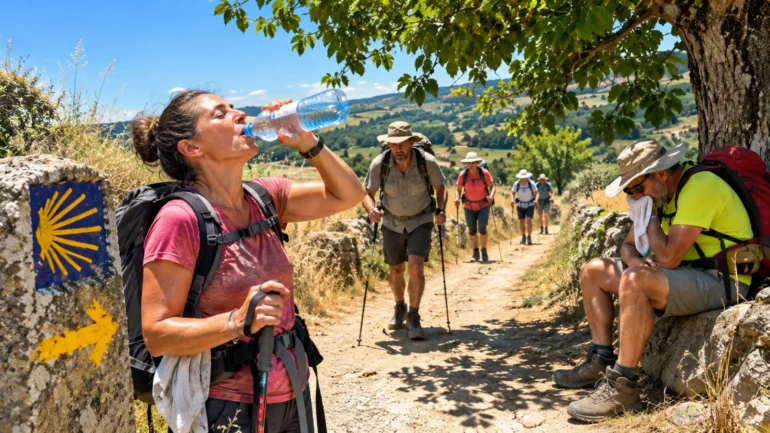
The dual credential has separate sections for stamps collected in Japan and Spain. On the Camino de Santiago, qualifying options include walking at least the final 100 kilometres or cycling at least the final 200 kilometres. The Kumano Kodo has several approved walking itineraries, including the roughly 38-kilometre route from Takijiri-Oji to Kumano Hongu Taisha. The Japanese section must be completed on foot.
The Tanabe City Kumano Tourism Bureau publishes the qualifying routes, stamp requirements and registration locations. The dual credential itself is free, although travel, accommodation and other expenses are not included. Pilgrims can register after completing both routes, either in Santiago de Compostela or in Tanabe. They do not have to walk the two routes in the same month or the same year.
A connection reaching more than 80 countries
According to information released by Santiago’s municipal authorities, Dual Pilgrims have come from more than 80 countries. Taiwan accounts for more than 3,000 participants, followed by the United States with approximately 2,700, Japan with 2,500, China with 2,200 and Australia with 2,000. These are programme figures reported around the time of the milestone, rather than a full breakdown of every registered participant.
The recognition also arrives as the Camino continues to build connections with pilgrims across Asia. For walkers considering both routes, the story offers a reminder that a pilgrimage need not end at one destination: a route on the other side of the world may become part of the same personal journey.
For Megumi Tominaga, the number 20,000 is a shared milestone. Her footsteps link two landscapes and two pilgrimage traditions, while joining thousands of others who have made the journey between Santiago and Kumano.
Sources: Official Dual Pilgrim record for Megumi Tominaga; Tanabe City Kumano Tourism Bureau; Europa Press, 19 November 2026.
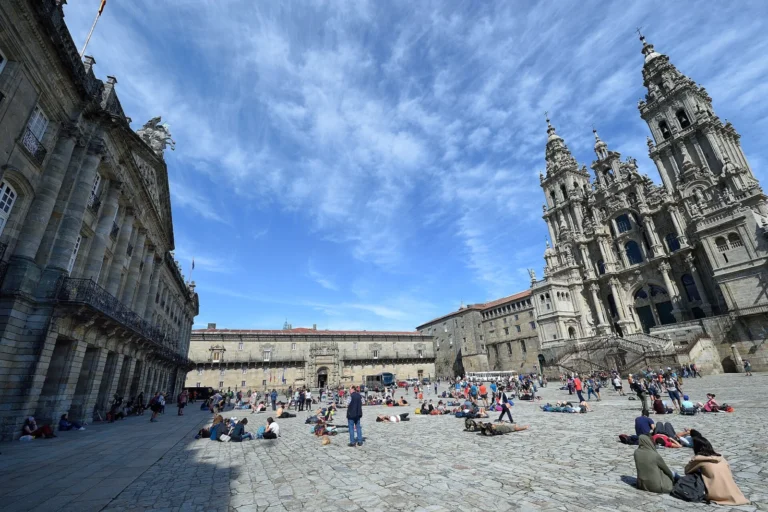
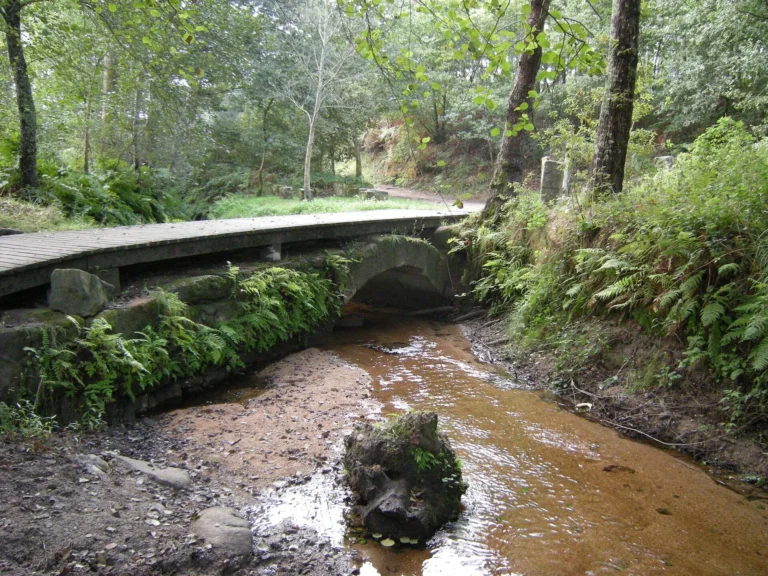
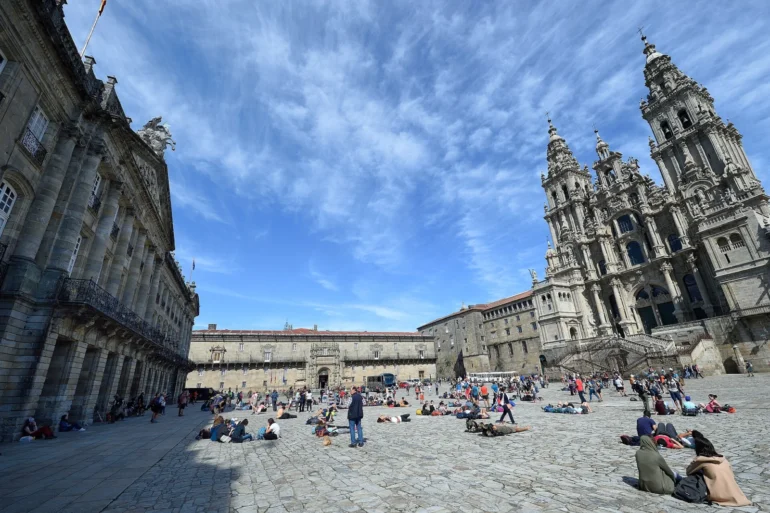
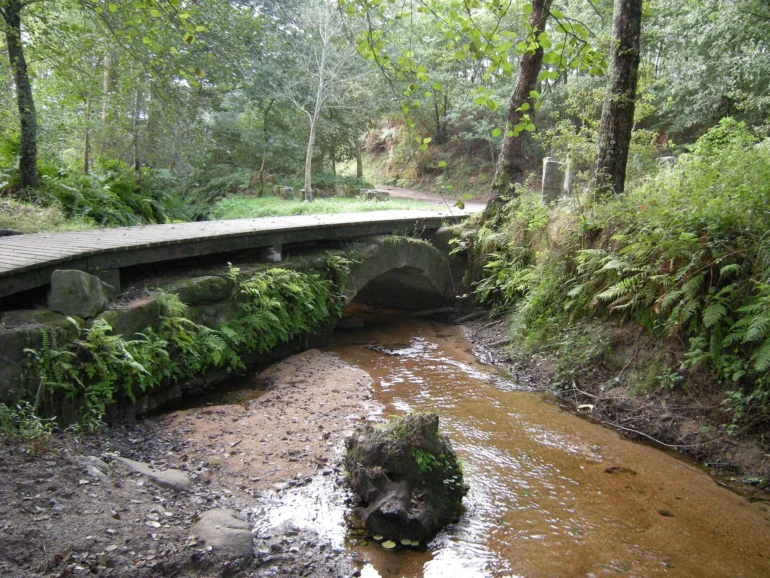
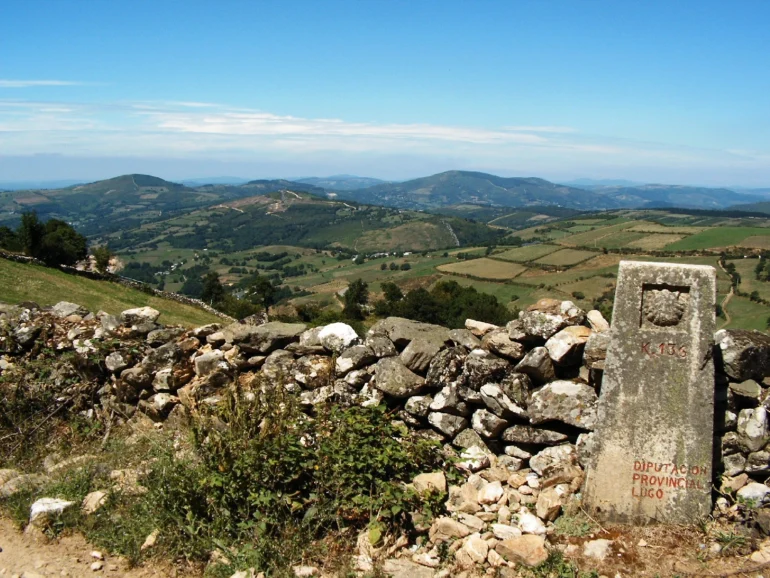
Imágenes: Photo: Nekosuki / CC BY-SA 4.0, Wikimedia Commons. Illustrative photograph | Photo: Zairon / CC BY 4.0, Wikimedia Commons. Illustrative photograph | Photo: Irene Grassi / CC BY-SA 2.0, via Wikimedia Commons. This is an illustrative landscape photograph, not a portrait of Megumi Tominaga.
Foto de portada: Nekosuki · CC BY-SA 4.0 · Wikimedia Commons