
Pilgrims increasingly combine walking with gastronomy and wine
The Camino de Santiago is evolving beyond its traditional image as a purely spiritual or physical journey. In 2026, one of the most visible trends along several routes is the steady growth of wine tourism, especially in regions such as La Rioja and Ribeira Sacra.
Rather than a sudden transformation or the launch of entirely new “luxury pilgrim suites,” what is happening is a gradual integration of existing wine tourism experiences into the Camino. Wineries, rural accommodations, and local businesses are adapting their offerings to meet the expectations of a changing type of pilgrim.
A natural connection between the Camino and wine regions
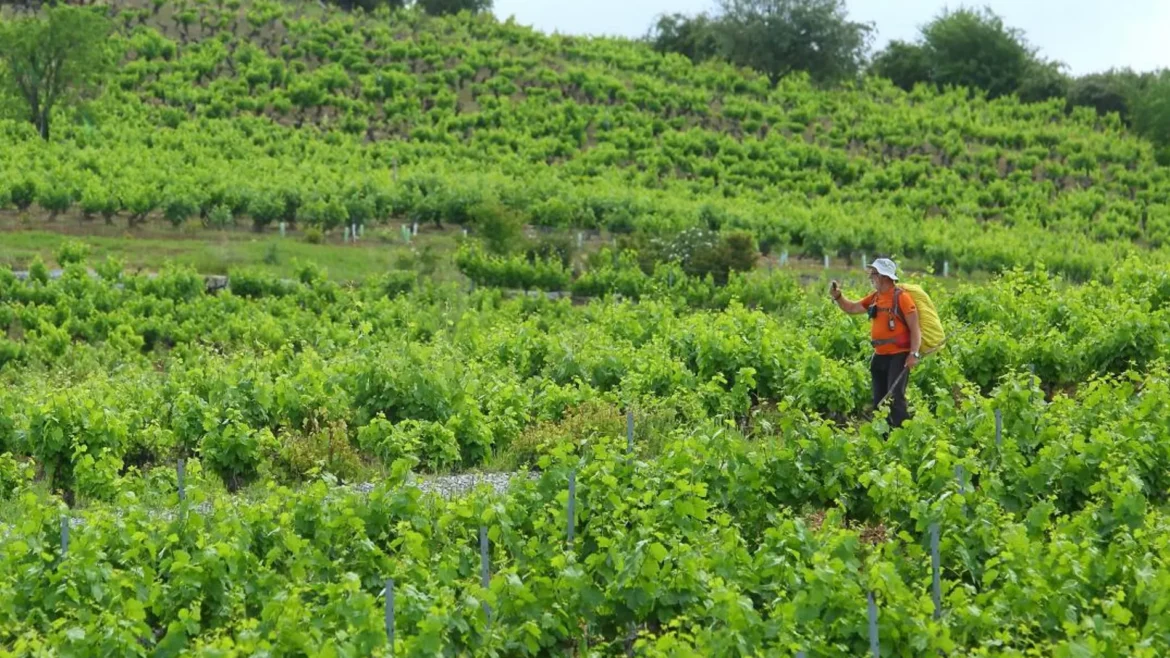
Several of the main Camino routes pass through some of Spain’s most important wine-producing areas. The Camino Francés, for example, crosses La Rioja, one of the country’s best-known wine regions. Meanwhile, alternative routes and nearby connections lead into areas such as Ribeira Sacra in Galicia, famous for its steep vineyards and unique landscapes.
This geographical overlap has always existed, but in recent years it has become more visible as part of the Camino experience.
Pilgrims are no longer just passing through these regions—they are stopping, tasting, and engaging with local culture in a more deliberate way.
From simple stops to curated experiences
Traditionally, wine consumption on the Camino was informal: a glass of local wine at the end of the day, a shared bottle at dinner, or a visit to a village bar.
In 2026, that experience is becoming more structured. Many wineries now offer:
- Guided visits adapted to pilgrims’ schedules
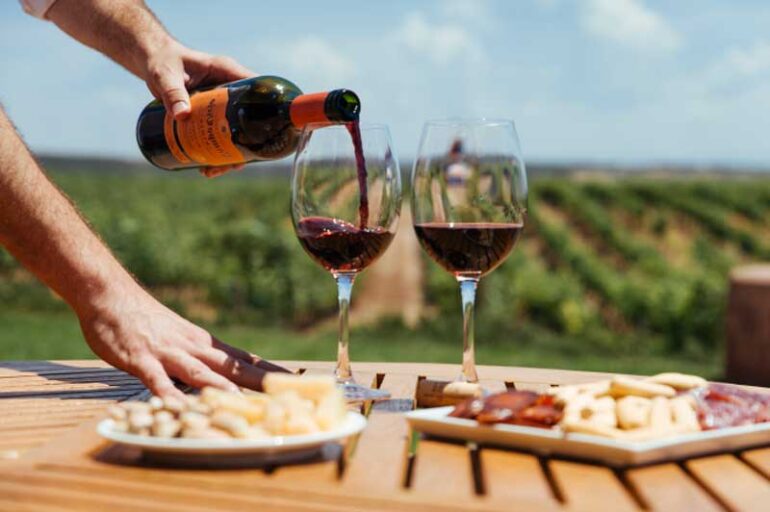
- Short tastings focused on local varieties
- Outdoor spaces for rest and relaxation
- Cultural explanations of wine production
These are not exclusive luxury facilities designed only for high-end tourism, but rather accessible experiences integrated into the local economy.
Some rural hotels and guesthouses in wine regions are also offering packages that include accommodation, meals, and optional winery visits.
La Rioja: a key stop on the Camino Francés
La Rioja remains one of the most important wine destinations along the Camino. Towns such as Logroño have long been known for their gastronomy and wine culture.
In recent years, local businesses have adapted to the growing number of pilgrims by offering more flexible options, including shorter tastings and informal visits that fit into a walking itinerary.
The famous Calle Laurel in Logroño, known for its tapas and wines, continues to be a major attraction for pilgrims looking to combine culinary and cultural experiences.
Ribeira Sacra: a quieter, scenic alternative
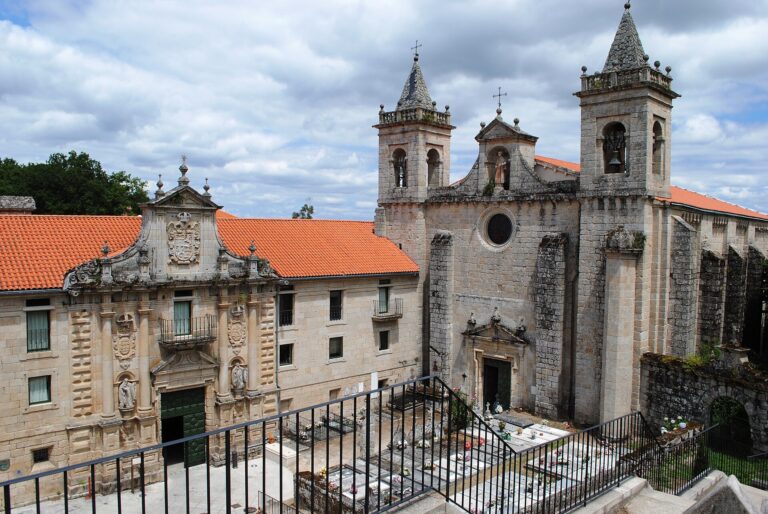
In Galicia, Ribeira Sacra is gaining attention among pilgrims who explore alternative routes or extend their journey beyond the main paths.
This region is known for its dramatic landscapes, with vineyards planted on steep slopes along river canyons. Wine production here is smaller in scale, but highly valued for its uniqueness.
While Ribeira Sacra is not directly on the main Camino routes, its proximity and growing reputation make it an attractive option for travelers seeking a more immersive experience.
A shift in the profile of pilgrims
The rise of wine tourism along the Camino is closely linked to changes in the profile of pilgrims.
Today’s pilgrims are often:
- More interested in cultural experiences
- Willing to spend on local products
- Looking for authenticity rather than luxury
- Combining walking with gastronomy and relaxation
This does not mean that the Camino is becoming a luxury destination, but rather that it is diversifying.
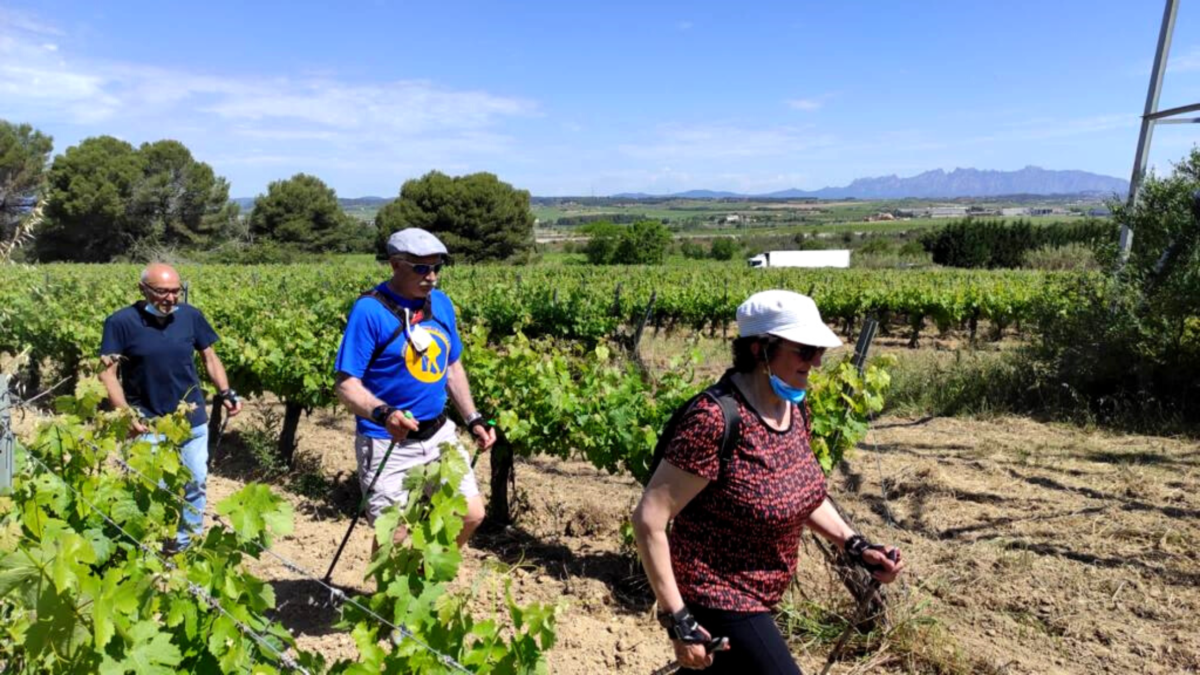
Pilgrims still carry backpacks and follow traditional routes, but many now include small experiences—such as a winery visit—as part of their journey.
Economic impact on local communities
The integration of wine tourism into the Camino has a positive impact on local economies.
Small wineries, family-run businesses, and rural accommodations benefit from increased visitor interest. This helps sustain local industries and encourages the preservation of traditional practices.
Importantly, this growth tends to be more distributed than mass tourism, as pilgrims move from place to place rather than concentrating in a single location.
Balancing tradition and new trends
As with many developments on the Camino, the rise of wine tourism raises questions about balance.
There is a clear effort from local communities to ensure that these experiences do not overshadow the traditional values of the Camino. The focus remains on:
- Respect for the route
- Authentic local culture
- Accessibility for all types of pilgrims
Wine is seen as part of the cultural landscape, not as a replacement for the core experience.
The Camino as a broader cultural journey
The increasing visibility of wine tourism reflects a broader transformation of the Camino de Santiago.
It is no longer defined only by distance or destination, but by the experiences encountered along the way.
Walking remains central, but it is complemented by:
- Food and drink
- Local traditions
- Landscapes and heritage
This combination is what makes the Camino unique.
Conclusion: a richer, but still authentic Camino
In 2026, the Camino de Santiago is not turning into a luxury route, but it is becoming more diverse.
Wine tourism is part of that evolution, offering pilgrims the opportunity to connect more deeply with the regions they cross.
The essence of the Camino remains unchanged: a journey of movement, reflection, and connection.
But along the way, there is now more space to pause, taste, and experience the richness of the land.