

The rise of the Camino de Santiago saturates Compostela and expels its neighbors
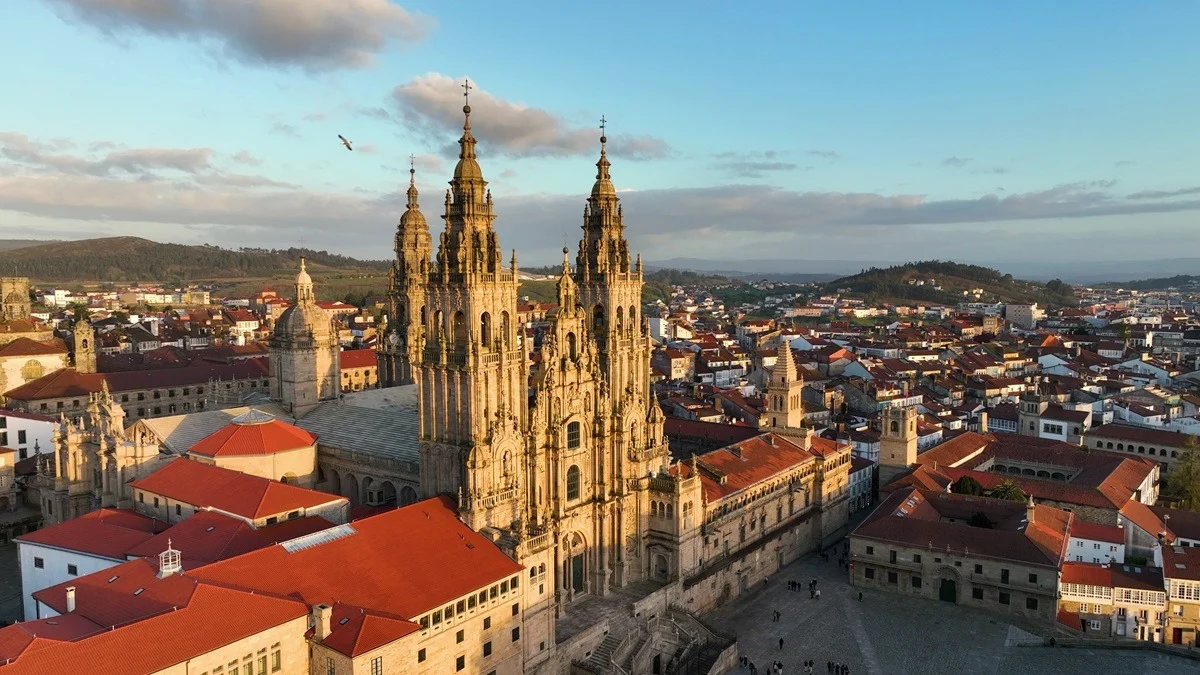
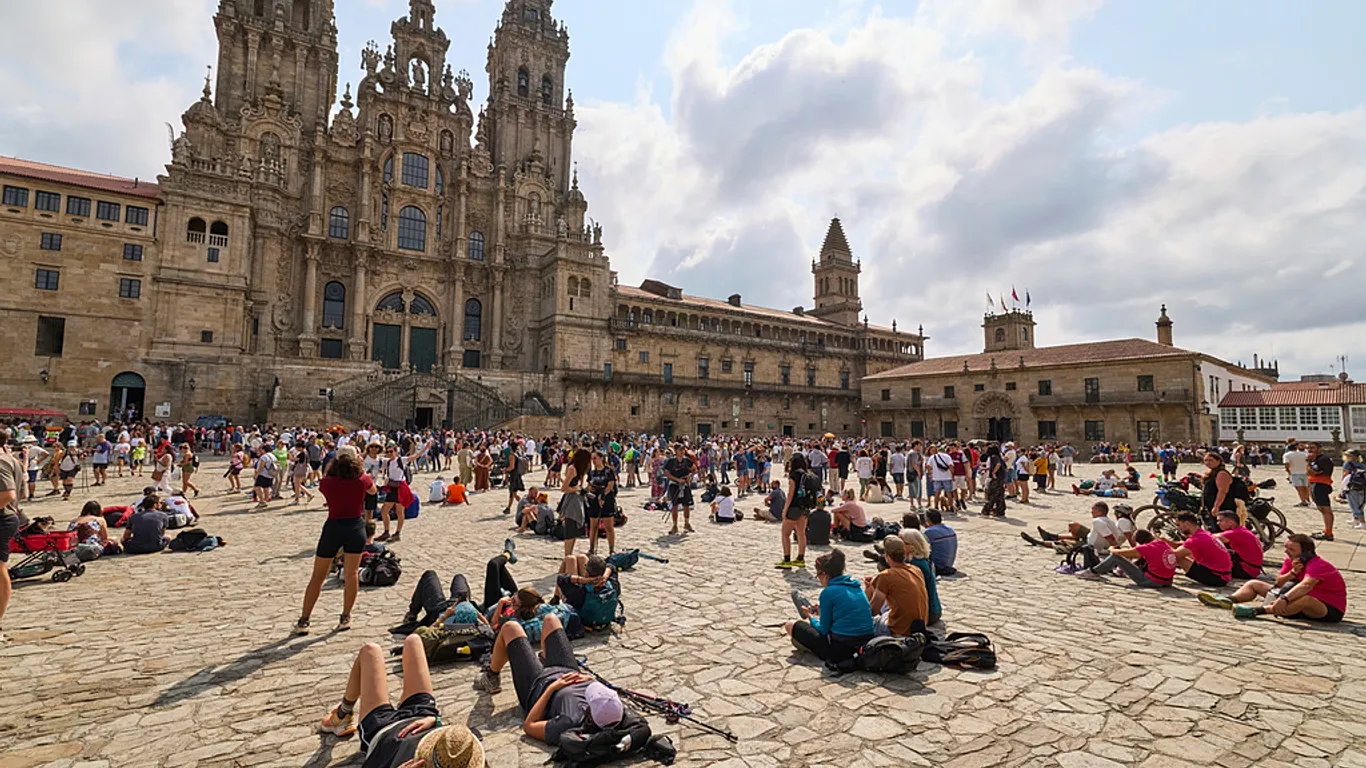
The growing number of pilgrims who travel the Camino de Santiago has transformed the Galician capital into a mass tourism destination, causing unprecedented saturation in its historic center. The influx of visitors has driven up rental prices, forcing more and more residents to leave the city centre.
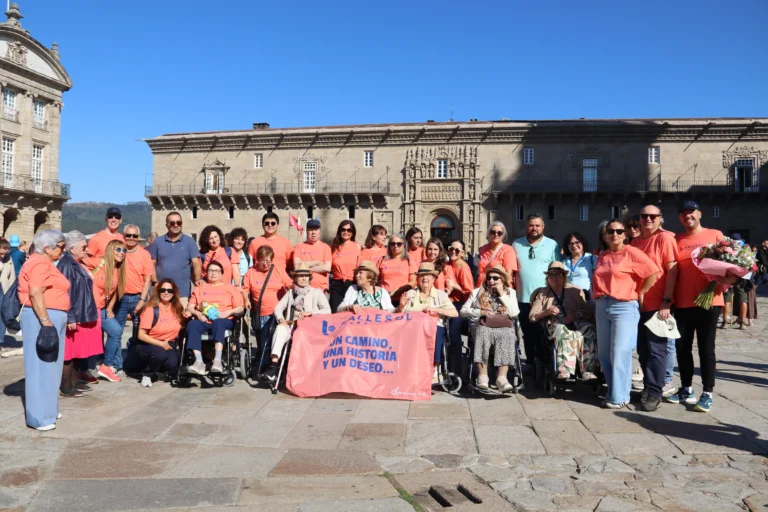
Santiago de Compostela, famous for being the final destination of the ancient route, now joins the list of European cities that are fighting the effects of excessive tourism. However, unlike other cities that have resorted to more drastic measures, a Santiago neighborhood association has opted for a more conciliatory approach. They have created a , distributed in multiple languages in shelters and other points of interest, although unfortunately, its impact has been limited.

The popularity of the Camino, a route that dates back to the 9th century, has grown exponentially in recent decades. Prompted by the 2010 film 'The Way' and, more recently, through social networks, the pilgrimage has reached record numbers. Last year, the city received half a million pilgrims, a figure that quintuples its resident population and does not include tourists who arrive by other means. This pressure on the city, according to the residents themselves, "goes beyond what is reasonable."