



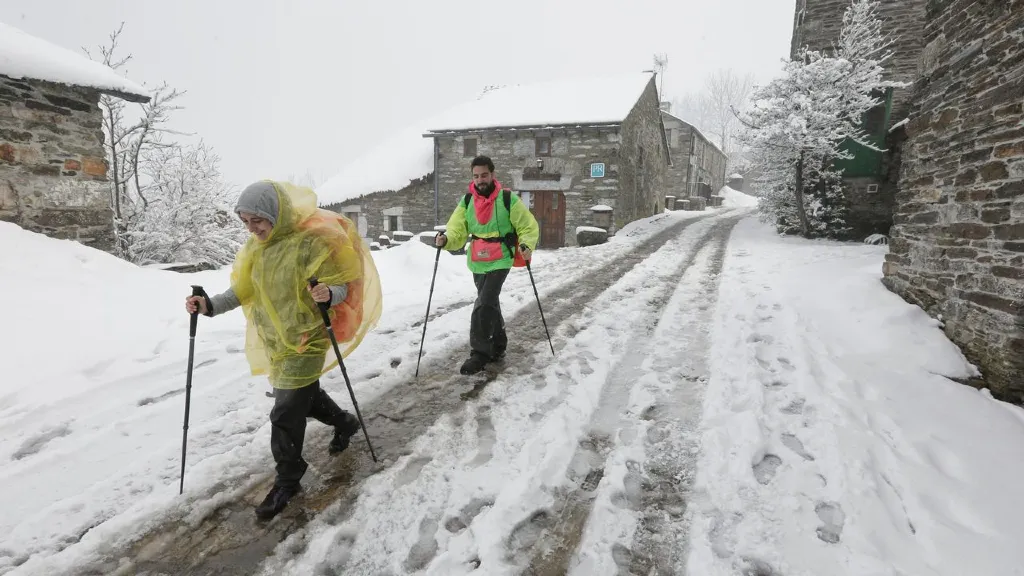
❄️ The Camino de Santiago in winter: what nobody tells you
There are decisions that one makes almost without thinking about it, and walking the Camino de Santiago in the middle of winter is one of those that may sound a little crazy... until you do it. I have met pilgrims who set off through snowfall, and the phrase I heard the most was: “It's hard, but it's really worth it”.
The Camino in winter has nothing to do with the Camino in summer. Not only does the climate change: the way of walking, the relationship with the landscape and even the way of living with other pilgrims changes. It is a more intimate, more demanding and, if you will allow me, more authentic experience.
🌬️ 1. The solitude of the Camino: voids that are enjoyed (and others that impress)
One of the first things you notice is the silence. When you leave the hostel first thing in the morning, that cold air that takes your breath away and the still dark streets force you to walk more attentively. There are no large groups, there are no tourists, there is no “noise”.
I remember arriving in Rabanal del Camino at the end of January and being literally the only pilgrim stayed there. The hospitalier told me:
“In summer, this looks like another planet.”
This contrast makes winter ideal for those looking for a more introspective Camino, without haste and without crowds.
🥾 2. The weather: cold, rain and magical moments
I'm not going to deceive you: the cold is felt, especially in areas like O Cebreiro, Alto del Perdón or the Meseta on windy days. I have experienced stages in which water seeped through my boots and others in which the sun, at around 12 noon, seemed like a gift from another world.
The good thing about winter weather is that the landscape becomes more dramatic:
- Fog that covers entire towns
- Completely empty forests
- White mountains in the highest reaches
- Sunsets that last a few minutes but compensate for everything
There are hard days, yes, but also others when you feel like you have the Camino all to yourself.
🛏️ 3. Hostels: what's really open in winter
This point is key.
Not all hostels open in winter, but the ones that do are usually the ones municipal and some private ones that work all year round.
My recommendation (based on the experience and mistakes of other pilgrims):
- Call before you arrive: many hospitaleros serve on demand.
- always have a second option accommodation in case the first one is closed.
- In small towns, ask in bars or shops: they always know who is open.
On the French Way, winter is perfectly possible, but on routes like Primitivo or Norte it is better to organize it better.
🍲 4. Food and energy: winter demands more
When you walk in winter, you eat differently. The body asks for more calories: soups, stews and abundant menus.
I have found bars closed in the middle of the stage, so never leave without:
- dried fruits
- a sandwich
- Chocolate or bars
- Water (even if you are not thirsty, dehydration is very easy in the cold)
Something curious about winter: hot coffee in the morning tastes different, as if it activates the mood more than in summer.
🧭 5. Safety: what really worries you in winter
Here it is not advisable to improvise.
El Camino in winter IS safe, but requires common sense:
- Avoid walking in snowy areas without prior information.
- Do not do marathon stages if there are few hours of daylight.
- Bring a charged cell phone and external battery.
- Don't take risks on icy descents: I've seen silly falls that end badly.
- If the weather gets bad, it's okay to stop for a whole day. Nobody takes away your Compostela for that.
The most delicate section is usually the climb to O Cebreiro if it has snowed heavily.
On those days, even the locals tell you:
“Today you better wait.”
🎒 6. What to bring? The list that really works
It is not necessary to take half the house, but you do need to take the essentials to avoid suffering:
- Fleece lining + thermal layer
- Quality raincoat (bad ones are a nightmare)
- Waterproof boots that you already know
- Hat and gloves
- warm sleeping bag
- Microfiber towel (dries quickly on cold days)
- A headlamp (dawns late)
- Walking sticks, very useful in wet terrain
What I was most grateful for personally was taking spare socks. If they get wet, the day gets complicated.
💬 7. Is it worth doing the Camino in winter? My honest opinion
If you're looking for comfort, maybe not.
If you like to walk in good weather, this is not your time either.
But if you want a Path:
- Silent
- No rush
- More spiritual
- harder
- More “real”
…then winter has something special.
I wouldn't recommend it to anyone, but for those who are prepared, it can become one of those memories that stay with you for a lifetime.
⭐ 8. Final tips (the ones that really make a difference)
- Always start early: light is your best ally.
- Don't just look at the km: look at the gradient and the forecast.
- Talk to hospitaleros: in winter they know exactly what to expect each day.
- Accept that the pace will be different: the Camino is marked by the weather.
- Enjoy the empty towns: it is a luxury that is difficult to repeat.

















