
The Camino de Santiago in 2025: A Global Phenomenon in Constant Growth
The ancient Jacobean route attracts thousands of pilgrims with diverse motivations, consolidating itself as a transformative experience with a notable increase in the number of walkers.
He Camino de Santiago It remains, in 2025, an inexhaustible source of personal meaning and adventure. Far from being exclusively a religious pilgrimage, this ancient route has established itself as a cultural and spiritual phenomenon that attracts people of all ages and backgrounds. Disconnection, self-knowledge, fulfillment of promises or simply the desire to live a unique experience are some of the motivations that drive thousands of walkers each year.
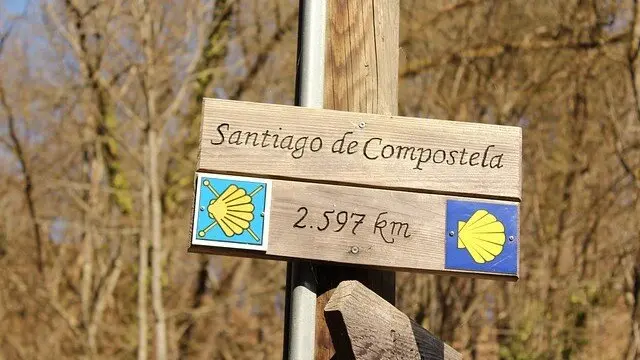
The data from the Pilgrim's Office confirm this: the last year has seen a 15% increase in the number of pilgrims who have obtained the Compostela, the certificate that certifies having traveled at least the last 100 kilometers. This trend demonstrates that the Camino has managed to transcend its medieval origin, adapting to the needs of a hyperconnected world where people seek authenticity and connection.
Multiple Routes, A Unique Experience
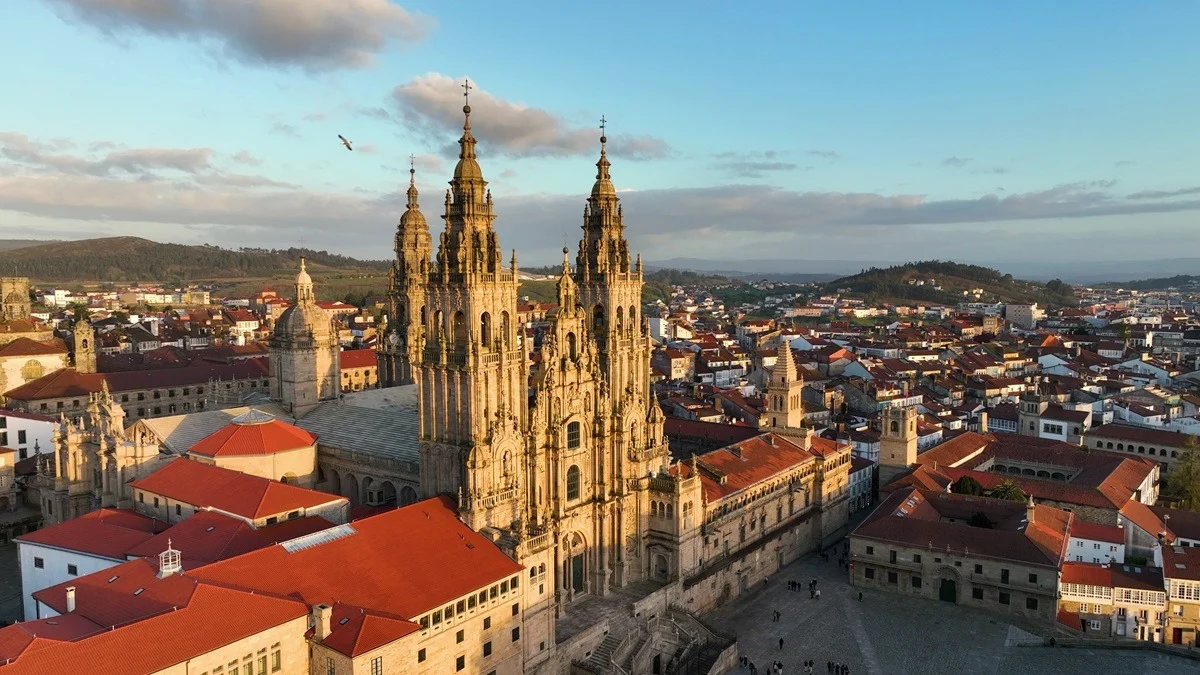
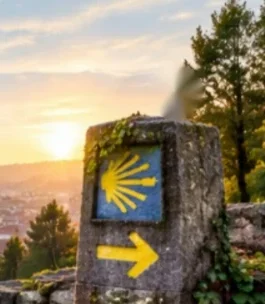
The greatness of the Camino de Santiago lies in its network of historical itineraries that converge at the Cathedral of Santiago. Although he French Way remains the classic and the most traveled (800 km from Saint-Jean-Pied-de-Port), other options offer very different experiences:
- He North Road It impresses with its coastal landscapes and lower crowds.
- He Primitive Path, the oldest, is more demanding but of impressive natural beauty throughout Asturias and Galicia.
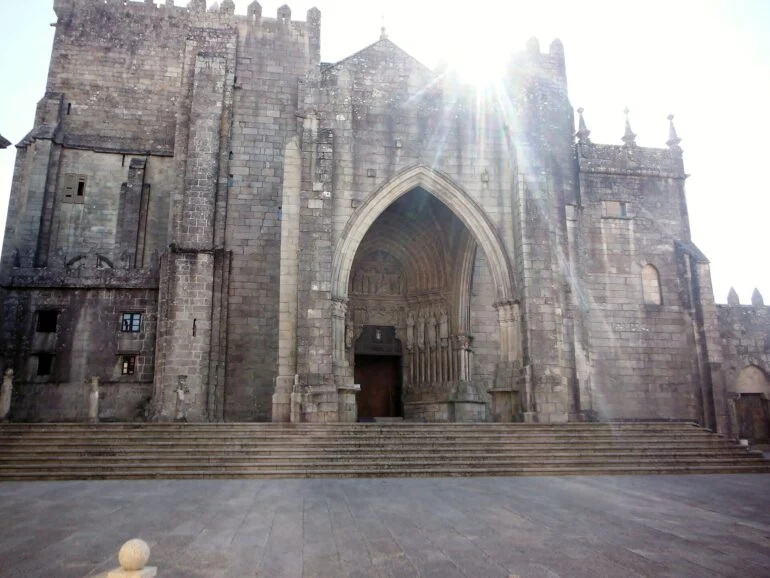
Among all these options, the Portuguese Way has experienced a notable boom. José Sánchez, director of the Center for Jacobean Studies, explains that his variant since Tui (119 km to Santiago) is especially attractive. "This itinerary offers a complete experience in a reasonable time, which makes it ideal for those who are just starting out or have limited vacation time," says Sánchez. This section has become one of the preferred options, combining the perfect balance between nature, cultural heritage and moderate physical demand, as can be seen in featured routes such as the one on mundiplus.com.
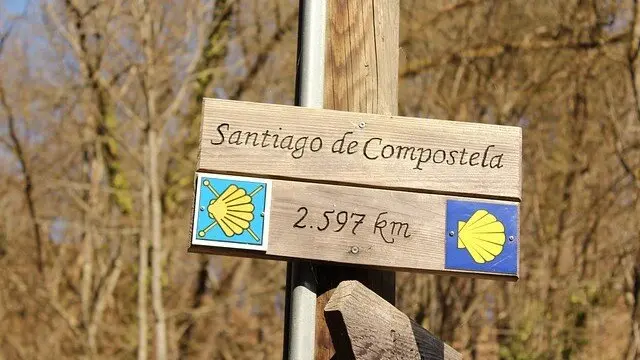
The Transformation of the Modern Pilgrim
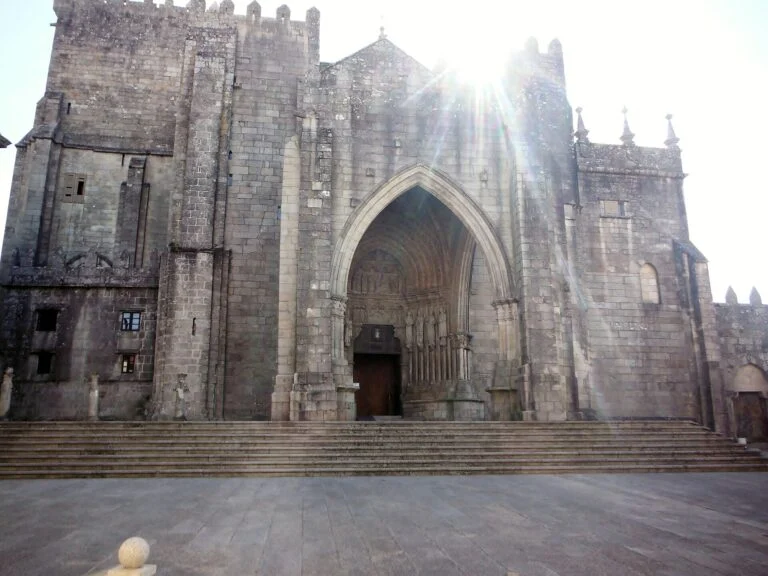
The route from Tui is an excellent example of the cultural and landscape richness of Galicia, passing through emblematic towns such as O Porriño, Redondela, Pontevedra, Caldas de Reis and Padrón. The hostels, adapting to the diverse profile of today's pilgrims, have improved their facilities, offering more comfort and services.
María Fernández, an anthropologist specialized in pilgrimage routes, emphasizes that "the Camino functions as a liminal space where people can experience a pause in their daily lives and reflect on fundamental aspects of their existence." This profound transformation occurs regardless of the initial motivations. Coexistence with other walkers and the hospitality of the locals are essential, promoting values such as solidarity and simplicity.
The Camino de Santiago continues to write its story through the steps of each pilgrim, offering a unique and adaptable experience that resonates with the search for meaning in the 21st century.