



Orientation and Safety on the Camino de Santiago: Essential Guide for Pilgrims
The Camino de Santiago is a transformative experience, but to fully enjoy it, the orientation and the security They are crucial aspects. With thousands of kilometers of routes and a growing influx of pilgrims, knowing how to handle yourself and protect yourself is as important as having a good pair of boots.
The Yellow Arrow: Your Constant Compass
The signage is, without a doubt, the most emblematic guide of the Camino. The yellow arrows painted on stones, trees, posts or walls, along with the scallop shells, are the universal language that tells you the direction to Santiago de Compostela.
- Constant attention: Although it may seem obvious, fatigue or distraction can lead to detours. Pay attention to signs, especially at road junctions, town entrances and exits, and wooded areas.
- Check your map or GPS: Although the arrows are reliable, carrying a physical map or a GPS application on your phone (with maps downloaded for areas without coverage) will give you extra security. Use them to verify your position and route, especially if you have doubts.
- Ask the locals: The people of the towns through which the Camino passes are, for the most part, knowledgeable about the route and very friendly. Don't hesitate to ask if you feel disoriented.
Personal Safety on the Road
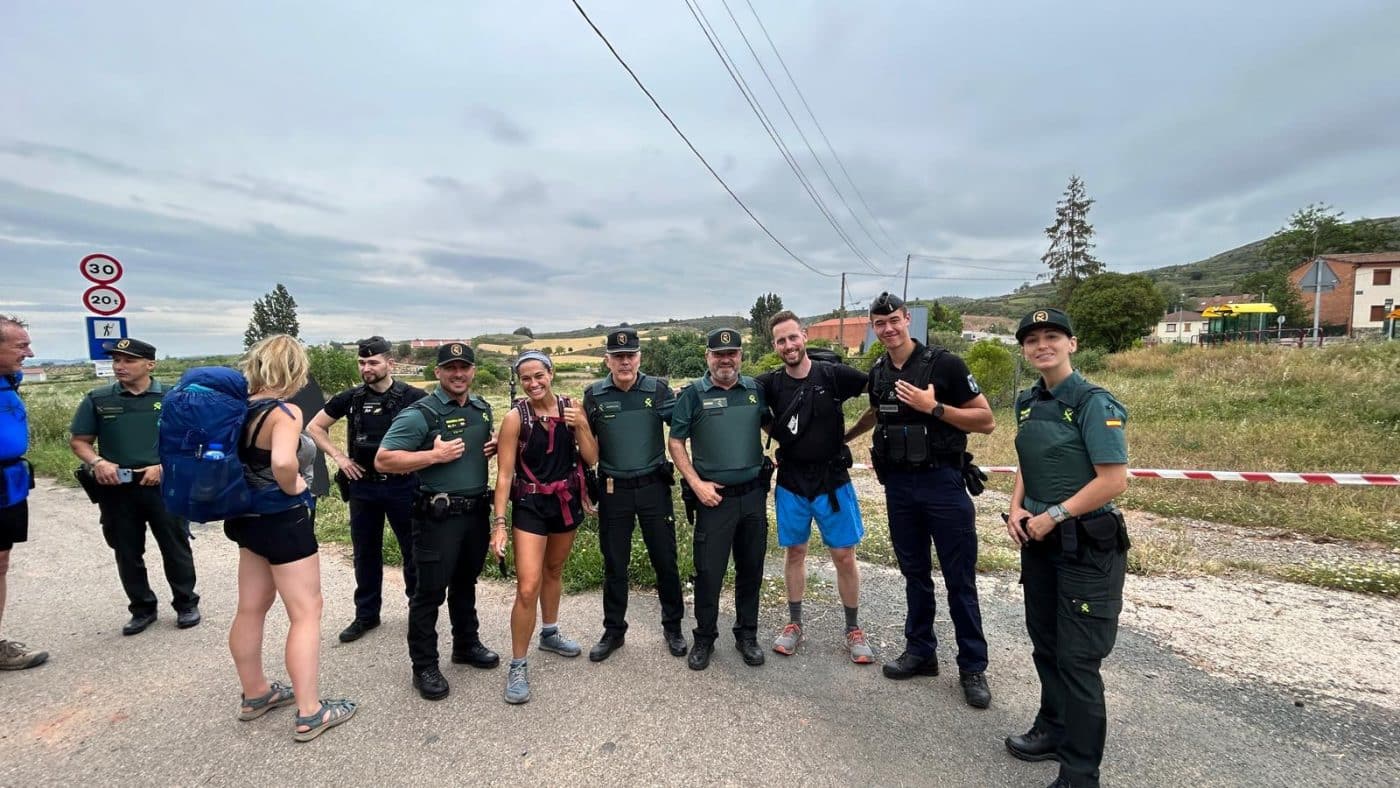
Safety on the Camino de Santiago is generally high, but as on any trip, taking precautions is essential.
- Walk on the safe side: When traveling on roads or shoulders, always walk on the left side, facing traffic. This allows you to see approaching vehicles and react.
- Visibility, especially at night: If you have to walk before dawn or at dusk, it is essential to carry light-colored or reflective clothing and one headlamp. Many sections have no lighting and your visibility is crucial for drivers.
- Company: While the Camino can be done alone, walking with other pilgrims can increase your feeling of security, especially on isolated stretches or if an emergency arises.
- Store your valuables: In hostels or crowded places, use lockers if available and keep your important belongings (money, documentation, cell phone) close to you at all times. Avoid leaving valuables visible.
- Contact information: Always carry a piece of paper with your personal details, emergency contact information and any relevant medical conditions.
- Charged mobile phone: Make sure your phone is always charged. An external battery can be very useful.
Emergencies and Health on the Road
Knowing how to act in an emergency is vital for your safety.
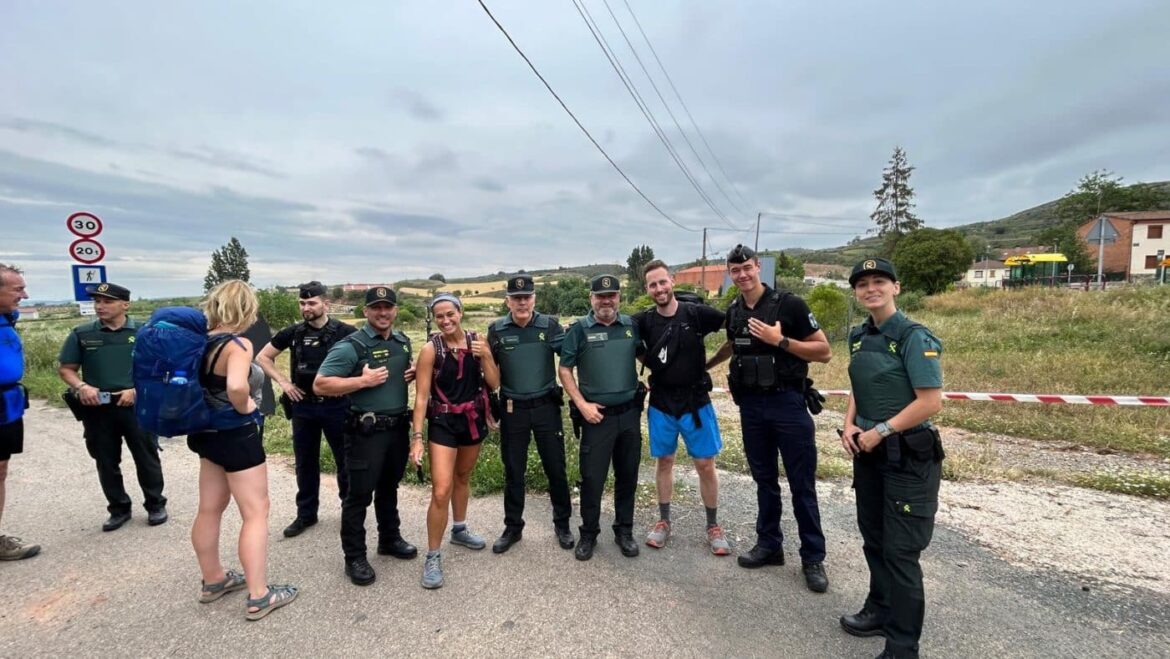
- Emergency number: The universal emergency number in Spain is 112. Memorize it and don't hesitate to use it if necessary.
- Basic first aid kit: A small first aid kit is essential. It should include pain relievers, anti-inflammatories, disinfectant, bandages, tape, and of course, everything necessary to treat the dreaded blisters (Compeed is highly recommended).
- Hydration and nutrition: Stay hydrated by drinking water regularly, even if you don't feel thirsty. Bring energy snacks to avoid sugar crashes and fatigue, especially on long stages.
- Listen to your body: If you feel persistent pain, discomfort or extreme fatigue, stop. Rest, evaluate the situation and, if necessary, seek medical assistance. Straining the body can lead to more serious injuries.
With good preparation and following these simple guidance and safety tips, your Camino de Santiago will be a safe and deeply rewarding adventure. Good Way!

















