




The psychological phenomenon that explains why you always return to the Camino
Have you ever felt that physical and inexplicable need to put on your backpack and start walking towards Santiago de Compostela? You're not a weirdo. A recent and exhaustive international study has given an official name to that magnetic attraction that we have all felt at some point: 'caminophilia'. Discover why 60% of pilgrims cannot go just once and what really happens in our minds when we step on the yellow arrows.
The Camino de Santiago has ceased to be only a religious pilgrimage route and has become a global sociological phenomenon. According to data analyzed by experts in behavioral psychology, there is a deep emotional attachment that connects the individual with the Jacobean route in a much more powerful way than any other vacation trip. This feeling of "belonging" and the constant need to return is what we technically know today as pathophilia.
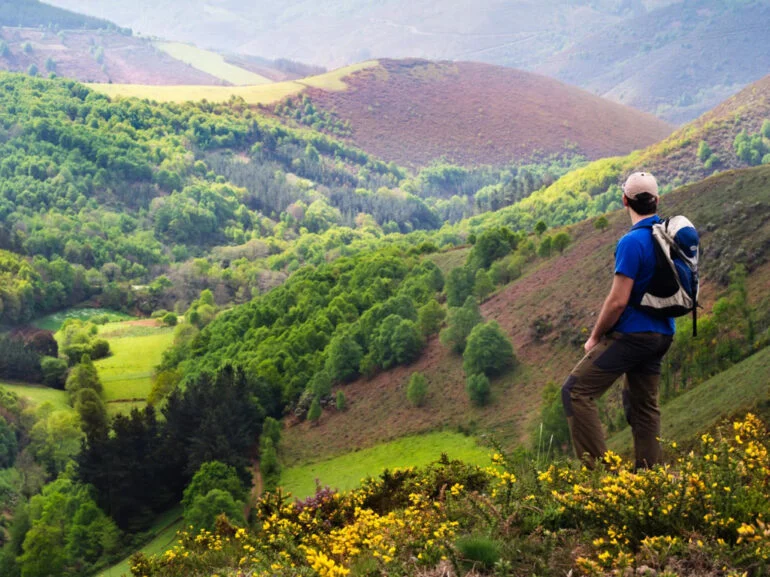
The secret is in the process, not in the Cathedral
One of the most revealing points of the study is that, for the modern pilgrim, the real value of the experience lies in the "meanwhile" and not so much in the final destination. Although hugging the Apostle in the Plaza del Obradoiro is a moment of emotional climax, what really generates this "healthy addiction" is the daily coexistence in the shelters, the silence shared on the paths and the slow rhythm set by one's own body.
This feeling of being part of the call «Family of the Camino» It is the main engine of repetition. Statistics don't lie: more than 60% of people who complete their first Compostela return to the route in less than three years. There are, in fact, documented cases of pilgrims who have made different routes—from the French to the Primitive or the Northern—more than fifty times throughout their lives.
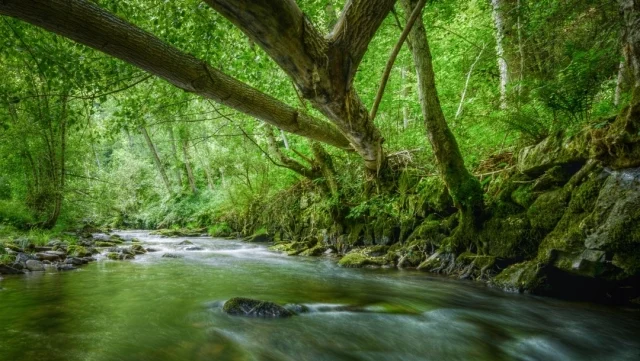
A natural 'Mindfulness' that reduces stress
Caminophilia is closely linked to psychological well-being and mental health. In a hyperconnected and stressful world, the Camino offers a biological "reset." Constant contact with nature and mandatory digital disconnection promote states of full attention or mindfulness spontaneously. By walking for hours, our brain drastically reduces levels of cortisol, the hormone responsible for stress, and enhances introspection.
Two out of three pilgrims surveyed claim to have experienced a change in their perspective on life after passing through the route. This search for meaning, which goes far beyond each person's spiritual beliefs, turns the Camino de Santiago into a therapeutic refuge. It is a space where time stops and priorities rearrange themselves.
An engine that does not understand borders
This psychological phenomenon is what explains why the Camino de Santiago continues to break attendance records year after year, attracting people from all corners of the planet. Caminophilia is contagious and is the driving force behind the recovery of historic routes throughout Europe.
If every time you see a yellow arrow you feel a "pinch" in your stomach and begin to mentally check your hiking equipment, you already have the diagnosis: you have pathophilia. It is an unbreakable bond that, once established, will accompany you for life, reminding you that there is always an arrow waiting to guide you back home.

















