

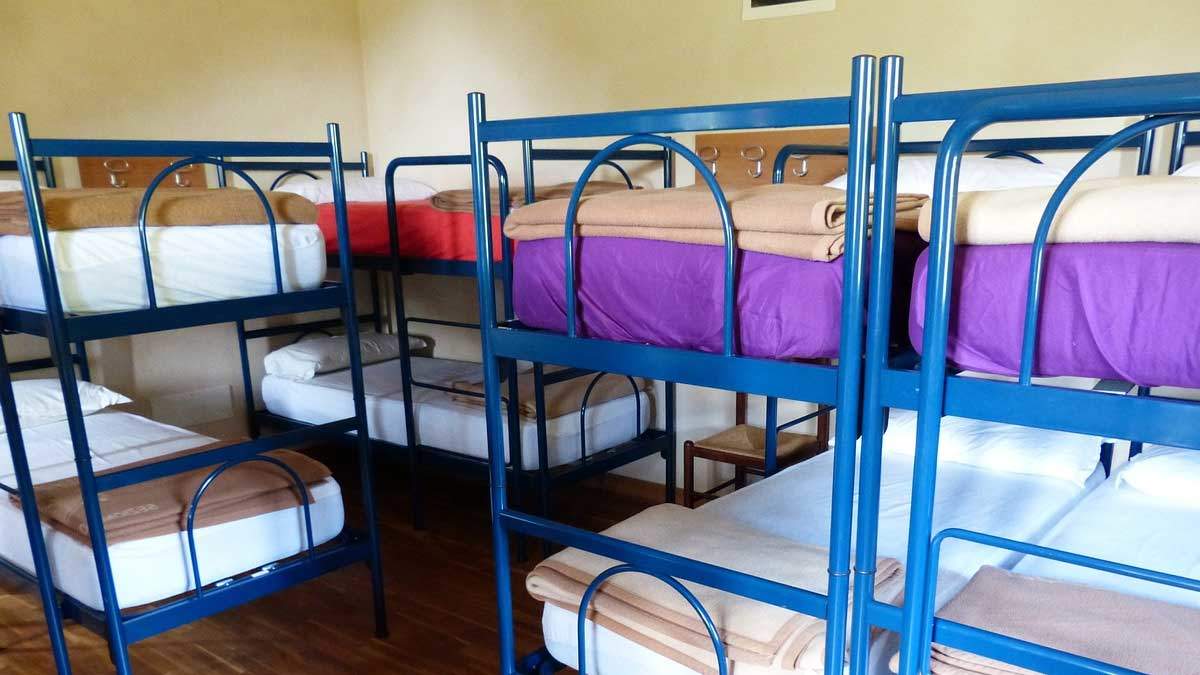
Where do 300,000 sheets a year, clothing and footwear from pilgrims on the Camino de Santiago go?
The Camino de Santiago continues to advance not only as one of the most important pilgrimage routes in the world, but also as a benchmark in sustainability. Every year, hundreds of thousands of pilgrims walk its trails, generating an important economic impact… but also an environmental one. One of the most common waste is disposable sheets used in shelters, which reach the figure of 300,000 units annually.
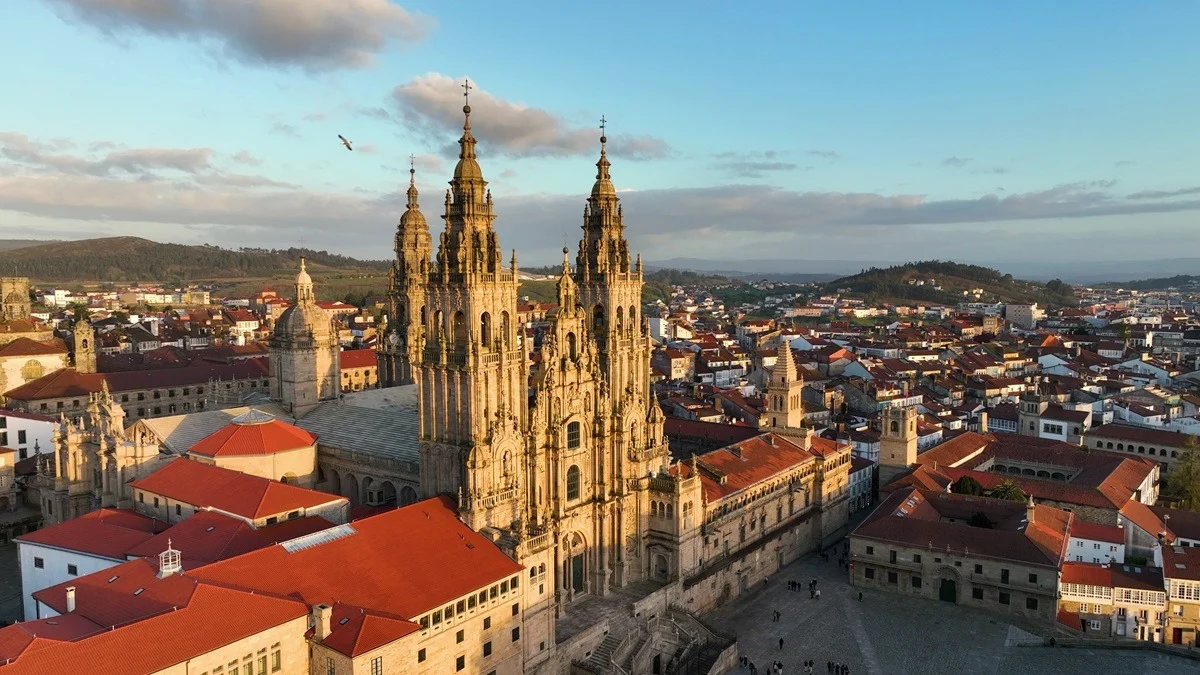
Given this situation, an innovative initiative has emerged focused on the circular economy, whose objective is to give a second life to this textile waste. The project, currently in the pilot phase, is being implemented in several hostels near Santiago de Compostela, the end point of the Camino and a place where many pilgrims decide to get rid of their clothing, footwear or equipment.
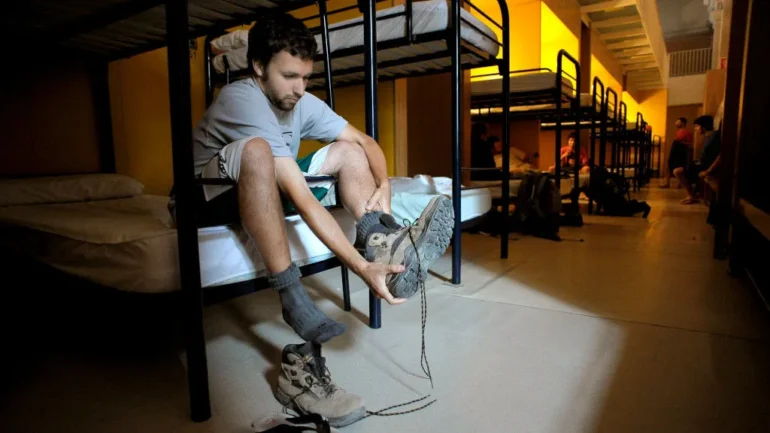
The proposal seeks to transform these materials into new useful products, such as souvenirs for pilgrims, decorative elements or even new recycled fabrics. In this way, large amounts of waste are prevented from ending up in landfills and a more environmentally friendly model is promoted.
In addition to the sheets, the project also aims to take advantage of other objects abandoned at the end of the route, such as backpacks or clothing. This comprehensive approach allows not only to reduce the volume of waste, but also to generate new economic opportunities linked to recycling and reuse.
The environmental impact of the Camino de Santiago is a growing concern, especially in recent years, in which the influx of pilgrims has increased considerably. Therefore, initiatives like this represent a key step towards more sustainable tourism, aligned with the principles of reduction, reuse and recycling.
If the results of the pilot phase are positive, it is expected that the program will be extended throughout the entire network of Camino hostels, becoming a reference model for other international tourist routes.
These types of projects not only contribute to the protection of the natural environment, but also reinforce the cultural and social value of the Camino, demonstrating that tradition and sustainability can advance hand in hand.