
More U.S. pilgrims are discovering minimalism, emotional healing and mental clarity while walking across Spain
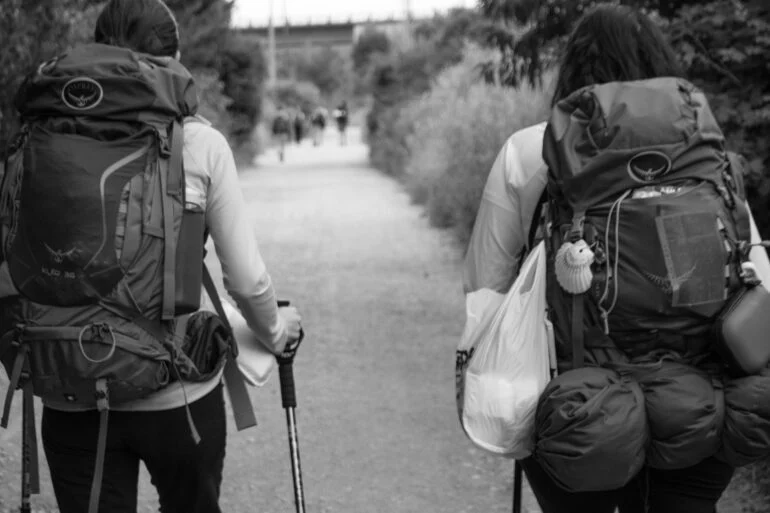
Every year, thousands of Americans arrive on the Camino de Santiago carrying backpacks that look prepared for a small apocalypse.
Extra shoes.
Three jackets.
Massive medical kits.
Tablets.
Cameras.
Power banks.
Emergency snacks.
“Just in case” items they probably haven’t touched in years.
And yet, something curious keeps happening.
By Day Three, many of those same pilgrims are standing in albergues across northern Spain quietly leaving half their belongings inside donation boxes.
Because somewhere between the blisters, the long walking days and the silence of the Camino, many begin discovering something modern life rarely teaches:
how little they actually need.
For an increasing number of American pilgrims in 2026, the Camino de Santiago is becoming much more than a hiking adventure or spiritual journey.
It is turning into a form of emotional minimalism.
A therapy of letting go.
The backpack becomes a mirror of modern American life
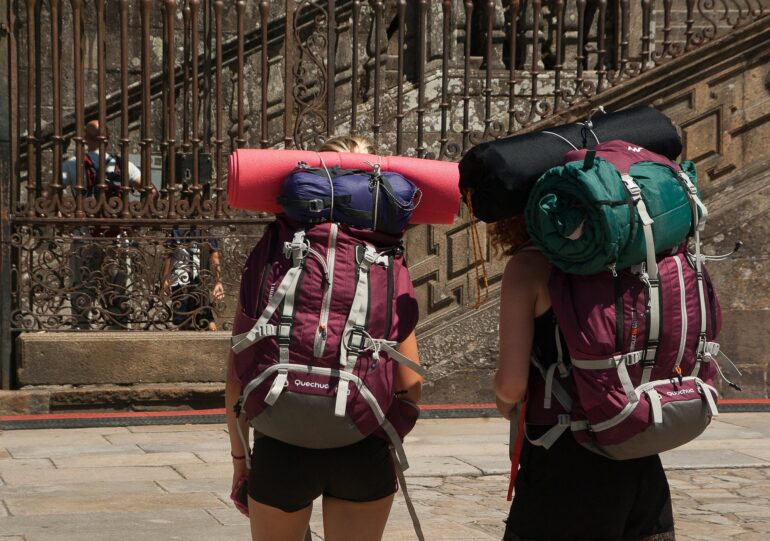
Experienced pilgrims often joke that you can immediately identify first-time American walkers by the size of their backpacks.
Many arrive carrying 14 or even 16 kilograms on their backs, terrified of forgetting something important.
But Camino veterans already know what will happen next.
Within days, the shoulders begin hurting.
The knees suffer.
The exhaustion grows.
And slowly, pilgrims start questioning every object they packed.
Do I really need three pairs of pants?
Why did I bring two chargers?
Why am I carrying things out of fear instead of necessity?
That physical process often becomes deeply emotional.
Because many pilgrims realize they are not only carrying extra weight on their backs.
They are also carrying stress,
pressure,
burnout,
anxiety,
emotional exhaustion
and years of nonstop modern life.
Especially for many Americans coming from highly competitive work cultures, the Camino creates a shocking contrast.
On the Camino, nobody cares:
what car you drive,
how much money you earn,
or how successful you appear online.
All that matters is walking.
Walking with less becomes psychological freedom
Mental health specialists and travel psychologists increasingly point toward experiences like the Camino as powerful forms of emotional reset.
The daily rhythm is radically simple:
wake up,
walk,
eat,
rest,
repeat.
No constant emails.
No endless meetings.
No notifications every 30 seconds.
Many American pilgrims describe the experience as the first time in years they feel mentally quiet.
And strangely, that process often begins with the backpack.
Pilgrims start eliminating objects one by one:
an extra sweater,
heavy electronics,
unnecessary toiletries,
backup items “for emergencies.”
Each object abandoned feels surprisingly emotional.
Because every item represents control,
fear,
comfort,
or attachment.
And when the backpack becomes lighter,
many describe feeling emotionally lighter too.
Donation boxes become symbols of transformation
Across the Camino de Santiago, donation boxes inside albergues have become almost symbolic places of transformation.
Pilgrims leave behind:
boots,
clothes,
chargers,
books,
sleeping bags
and objects they once believed were essential.
Some even joke that the Camino “eats” unnecessary possessions.
Hospitaleros often say the same thing:
the longer pilgrims walk, the simpler they become.
And that simplicity changes people.
Many Americans arrive used to a culture built around consumption, productivity and constant accumulation.
The Camino introduces the opposite idea:
maybe less is enough.
Maybe happiness is:
a coffee at sunrise,
clean socks,
a shared dinner,
or arriving at the next village before the rain starts.
The rise of emotional minimalism on the Camino
Experts believe this trend is closely connected to the growing popularity of:
slow travel,
wellness tourism,
digital detox experiences
and mental health travel.
More travelers today are not searching for luxury.
They are searching for relief.
Especially after years of stress, social media overload and economic uncertainty, many people are looking for experiences that feel real and human again.
The Camino de Santiago offers exactly that.
And for Americans in particular, the contrast can feel overwhelming.
The hyper-connected rhythm of life in large U.S. cities often disappears completely after just a few days walking through rural Spain.
Suddenly, pilgrims begin caring less about:
their phones,
their appearance,
their schedules
and their online identity.
And more about:
rest,
conversation,
nature
and silence.
The Camino teaches people how to carry only what matters
One of the most repeated lessons among long-distance pilgrims is surprisingly simple:
carry less.
Not only physically.
Emotionally too.
Many pilgrims say the Camino slowly teaches them to identify unnecessary weight in their lives.
Sometimes it is material.
Sometimes emotional.
Toxic routines.
Pressure to constantly succeed.
Fear of slowing down.
The need to always stay connected.
Walking hundreds of kilometers with only eight kilos on your back changes your relationship with possessions.
And often, it changes your relationship with yourself too.
Americans are increasingly searching for healing journeys
Tourism experts say the Camino is becoming especially attractive to American travelers seeking:
mental clarity,
personal transformation,
burnout recovery
and emotional healing.
Many now see the Camino not as a religious pilgrimage, but as a kind of moving therapy.
A space where people finally have time to think.
Or stop thinking altogether.
And perhaps that is why so many pilgrims end up crying when they reach Santiago de Compostela.
Not because the walk was physically hard.
But because somewhere along the road…
they realized how much unnecessary weight they had been carrying for years.
The Camino’s greatest lesson may be simplicity
In the end, the Camino de Santiago continues changing lives in surprisingly modern ways.
Not through luxury.
Not through technology.
Not through comfort.
But through simplicity.
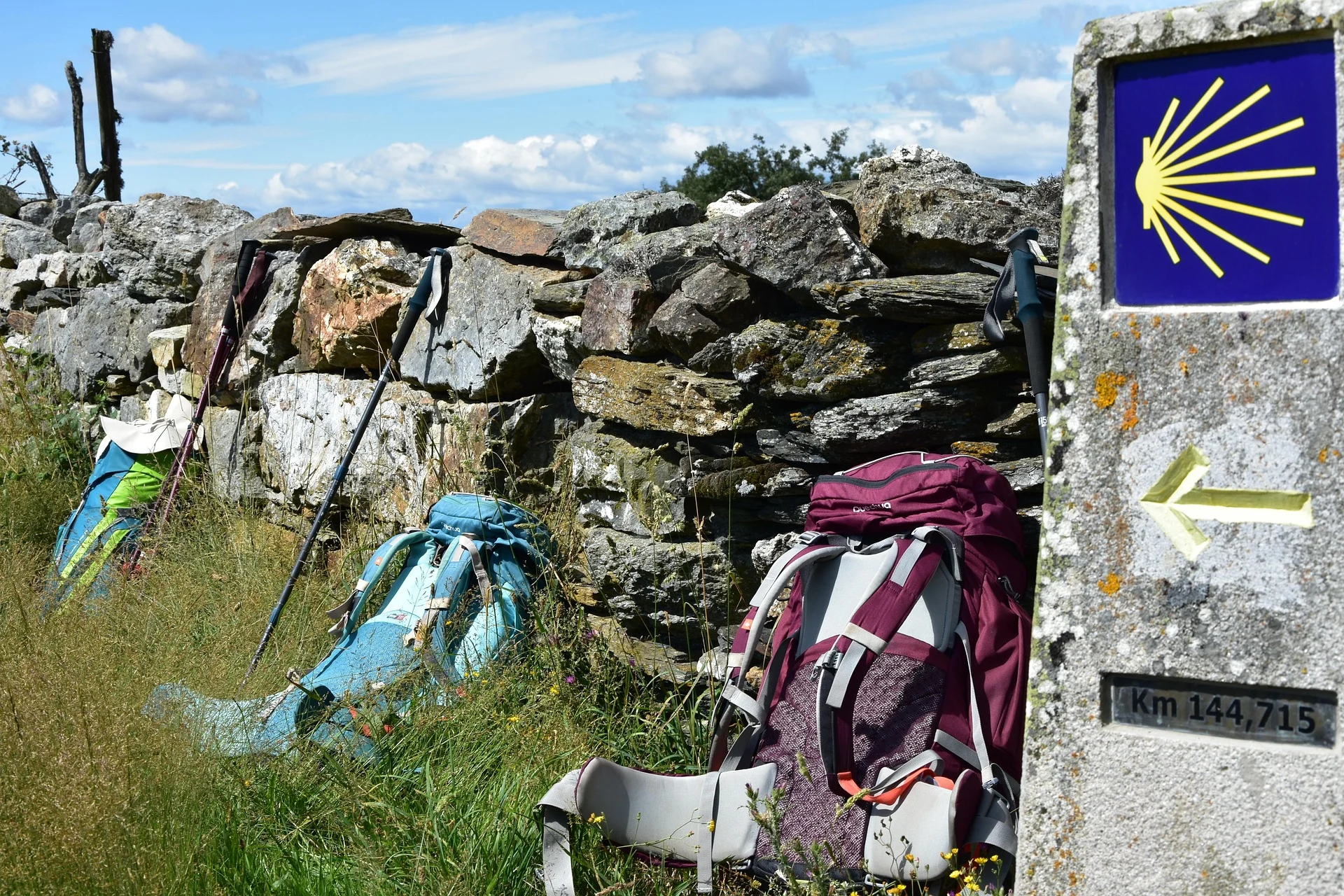
A backpack.
A pair of boots.
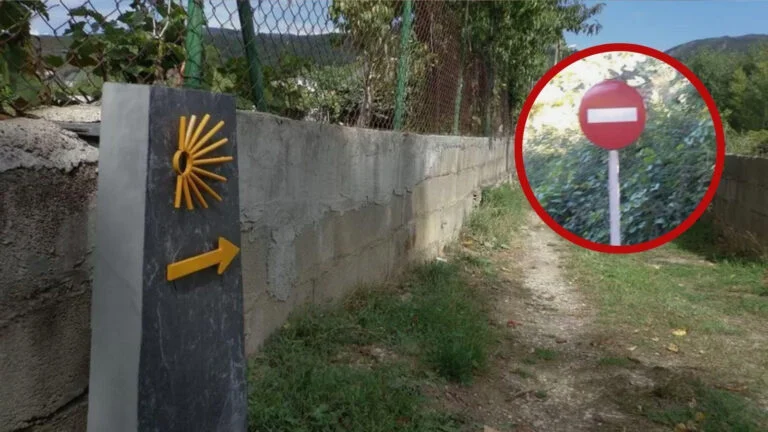
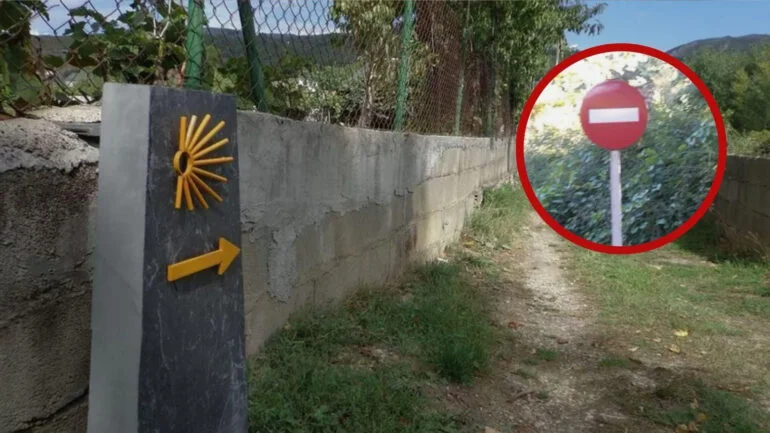
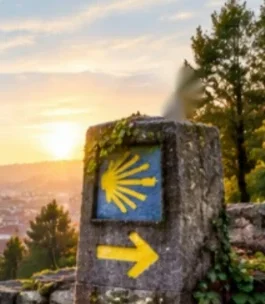
A yellow arrow.
And the slow realization that maybe people need far less than modern life keeps telling them.
Especially in a world obsessed with having more,
buying more,
showing more
and achieving more…
the Camino quietly teaches the opposite.
Sometimes freedom begins the moment you decide to carry less.