“I like doing things people think are imposible,” says young woman walking to Santiago
El Camí de Sant Jaume continues proveint el 2026 que és molt més que per a pilgrimage route.
It is als a place where stories of courage, resilience and personal transformation unfold every single day.
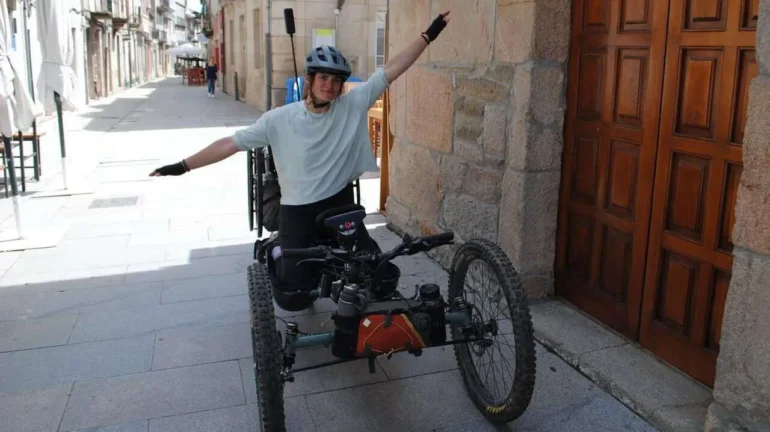
One de les stories de la ciutat comes de Sarria, en el conegut Camí Francès, on l'American woman with physical disability ha inspirat pilgrims de tot el món quan completi el Camí de Sant Jaume utilitzant adaptada handbike.
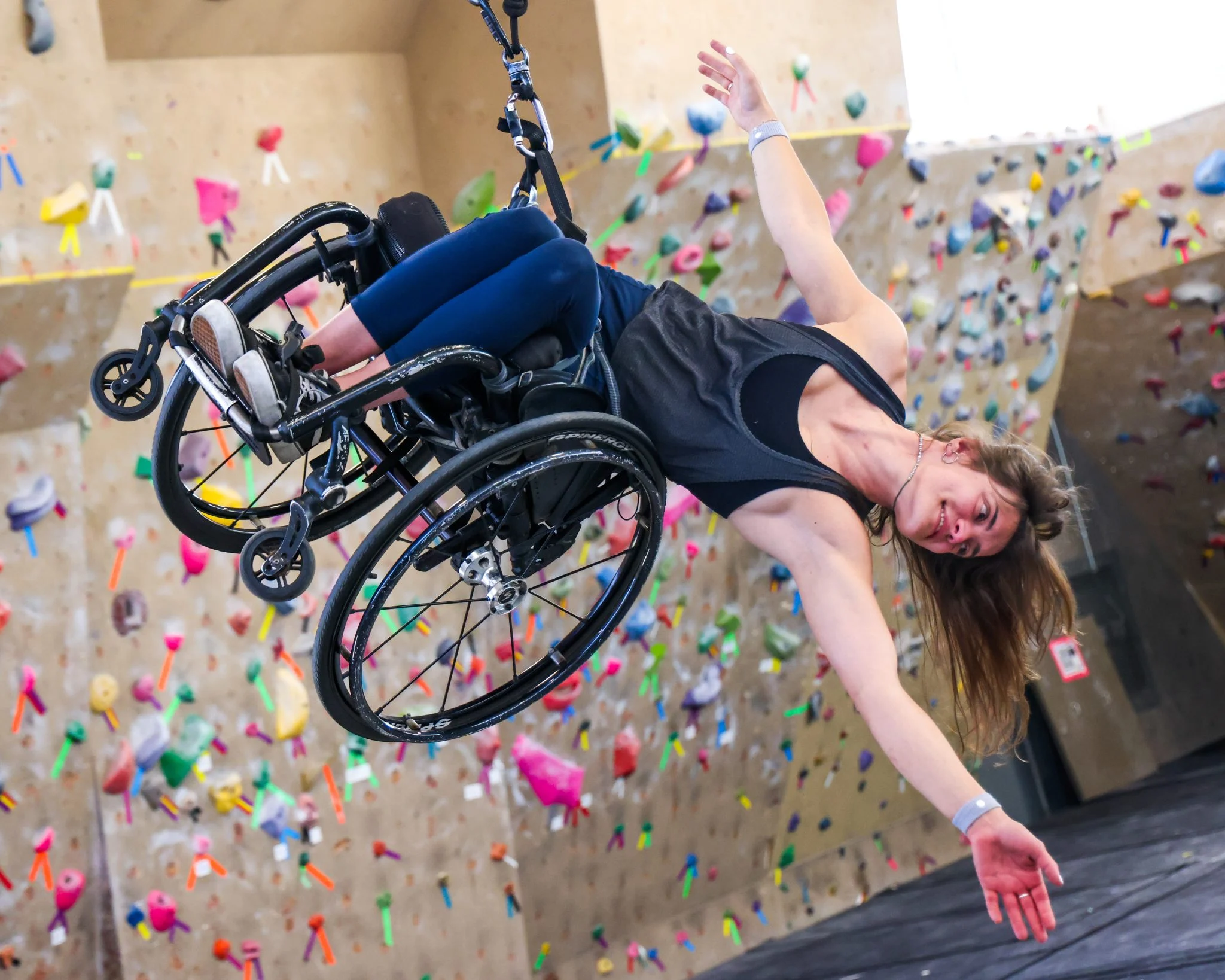
His name is Mackenzie Langley, a joung woman from Colorado que has de traveling alone across nord-americà Spain after beginning her pilgrimage in Pamplona earlier this month. What makes her journey extraordinari és that she pedals entirely with her hands while transporting her wheelchair alongside her during the route.
“I like doing things other people think és impossible,” she explained during her stop in Sarria.
And that sentence alone has already turned her int one of the most emotional stories currently circulating among Camí pilgrims.
The Camino as a symbol of resilience
Mackenzie has fet servir a wheelchair since 2014 after suffering a traffic accident when she was only sixteen years old. Però insistiu en la dissolució de l'estada, s'ha decidit en un món de most famós long-distance pilgrimage routes.
His dream of walking the Camino beguen years ago while living in Seville, where she first heard about the pilgrimage experience. Later, after returning to Spain to work as a English teacher, the idea kept growing until she finally decided to make it real.
Per a aquesta aventura, s'ha designat el seu sistema per transportar el seu bicycle lligat a l'adapted bike because, a les explains, “it is part of me.”
El resultat és incredible journey que molts pilgrims no descriu com un most inspirant stories del camí aquest any.
Traveling alone — but never truly alone
Mackenzie beguen her Camí on maig 5 in Pamplona and expects to arriba a Santiago de Compostela after covering hundreds of kilometers through northern Spain. On most days she completes between 40 and 50 kilometers, although sometimes she reduces the distance to recover energy.
What has surprised her most is not the physical challenge.
It is the kindness.
Although she travels alone, she says people constantly help her whenever difficulties appear, especially after falls or complicated stretches of the route.
“The Camino community has very big hearts,” she says emotionally.
During her pilgrimage she has met travelers from:
Spain,
Germany,
Mèxic,
Argentina,
Austràlia,
Colòmbia
and the United Kingdom.
Some connections became so emotional that she now jokes she has “mothers in every city,” because many people continue messaging her to make sure she is safe and doing well.
The Camino becomes increasingly inclusive
Stories like Mackenzie's reflecteix how the Camí de Santiago is becoming increasingly inclusive in 2026.
Més organitzacions, associacions i individuals pilgrims treballen per show que el camí és també accessible per a persones amb disabilities o redueix mobilitat.
Experts en accessible turisme say pilgrimage routes like the Camino offer much more than physical activity.
They also provide:
emotional healing,
human connection,
mental wellness,
nature,
and personal growth.
Aquesta és una reason why the Camino continues attracting travelers searching no només per a turisme o religió, però per life-changing experiències.
Americans continue discovering the Camí
The story also reflects the growing popularity of the Camí among American travelers.
El United States és ara un dels grans internacionals mercats de mercaderies en el Camí de Sant Jaume, s'hi ha tres milions d'americans arribant durant el següent esdeveniment:
slow travel,
wellness tourism,
digital detox experiences,
spiritual journeys
and outdoor adventure.
Social media has amplified this trend enormously.
Videos showing pilgrims overcoming physical and emotional challenges regularment go viral on TikTok, Instagram and YouTube.
And stories like Mackenzie's remind people why the Camino continues inspiring millions around the world.
The Camino teaches a different kind of strength
Many pilgrims walking beside Mackenzie sap what impresses them most is not simply the physical challenge.
It is her attitude.
Acomiada the difficulty, she continues smiling, moving forward and encouraging others along the route.
Aquest spirit perfectament reflecteix una de les morts de les cames:
strength does not allways look the way people expect.
Sometimes courage means simply continuing forward one more day.
One more quilometr.
One more stage.
Santiago as a personal victory
Per many pilgrims, arribant a Santiago de Compostel·la represents molt more than reaching a destination.
It symbolizes overcoming fears, limits and personal struggles.
Per Mackenzie Langley, aquest Camí has already become proof que la disability no es defineix adventure.
Per a molts persones following el seu story, t'has become a reminder that the Camí de Santiago estill changes lives in the most human ways possible.
Because in the end, the Camino is not about walking perfectly.
It is about continuing forward.
Even when others think it cannot be done.