





The Camino de Santiago is once again capturing the imagination of travelers from around the globe. In 2026, pilgrimage routes across northern Spain are welcoming thousands of people seeking much more than a simple walking holiday.
From seasoned adventurers to first-time pilgrims, the appeal of the Camino continues to grow. What was once considered a deeply religious journey has evolved into a unique experience that combines culture, history, personal reflection and human connection.
A Journey That Changes Lives
For many pilgrims, the Camino begins with a backpack and a pair of walking boots. Yet what they discover along the way often goes far beyond the physical challenge.
Some walk to celebrate new beginnings. Others come to heal after difficult moments in life. Many simply want to disconnect from the constant noise of modern society.
The Camino offers something increasingly rare in today’s world: the opportunity to slow down.
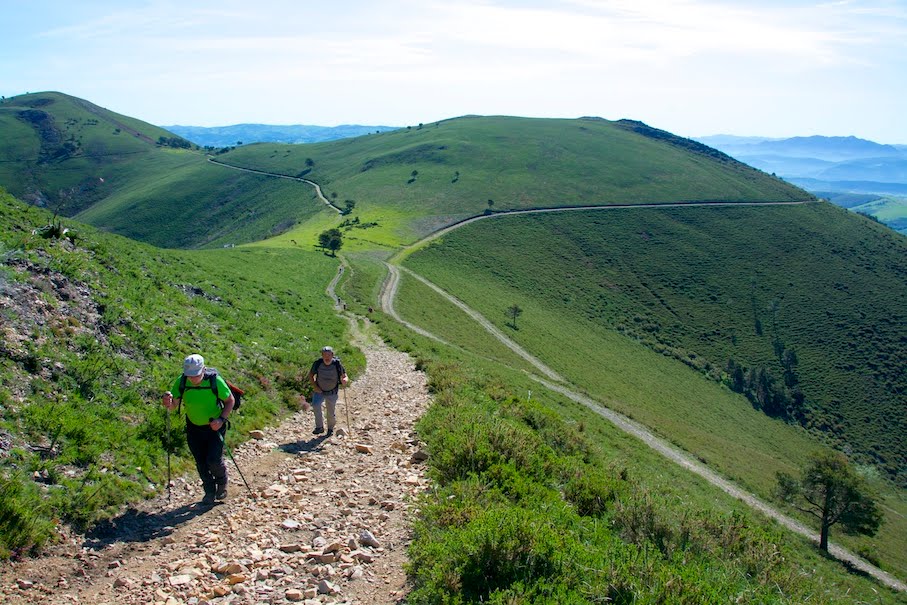
There are no deadlines on the trail. No endless notifications demanding attention. Instead, there are quiet country roads, medieval villages, forests, mountains and conversations with strangers who quickly become friends.
The World Meets on the Camino
One of the most remarkable aspects of the Camino de Santiago is its international character.
It is not unusual to share breakfast with someone from South Korea, walk alongside a family from Brazil, exchange stories with pilgrims from the United States and celebrate reaching Santiago with new friends from Germany, Australia or Italy.
Despite different languages and cultures, the Camino creates a powerful sense of community.
The greeting «Buen Camino» becomes a universal language understood by everyone.
Why Is the Camino More Popular Than Ever?
Travel experts believe there are several reasons behind the growing interest in the Camino in 2026.
Firstly, many people are looking for meaningful travel experiences rather than traditional sightseeing holidays.
Secondly, health and wellbeing have become major priorities. Walking long distances through nature provides both physical exercise and mental clarity.
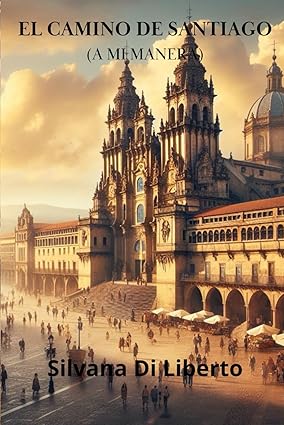
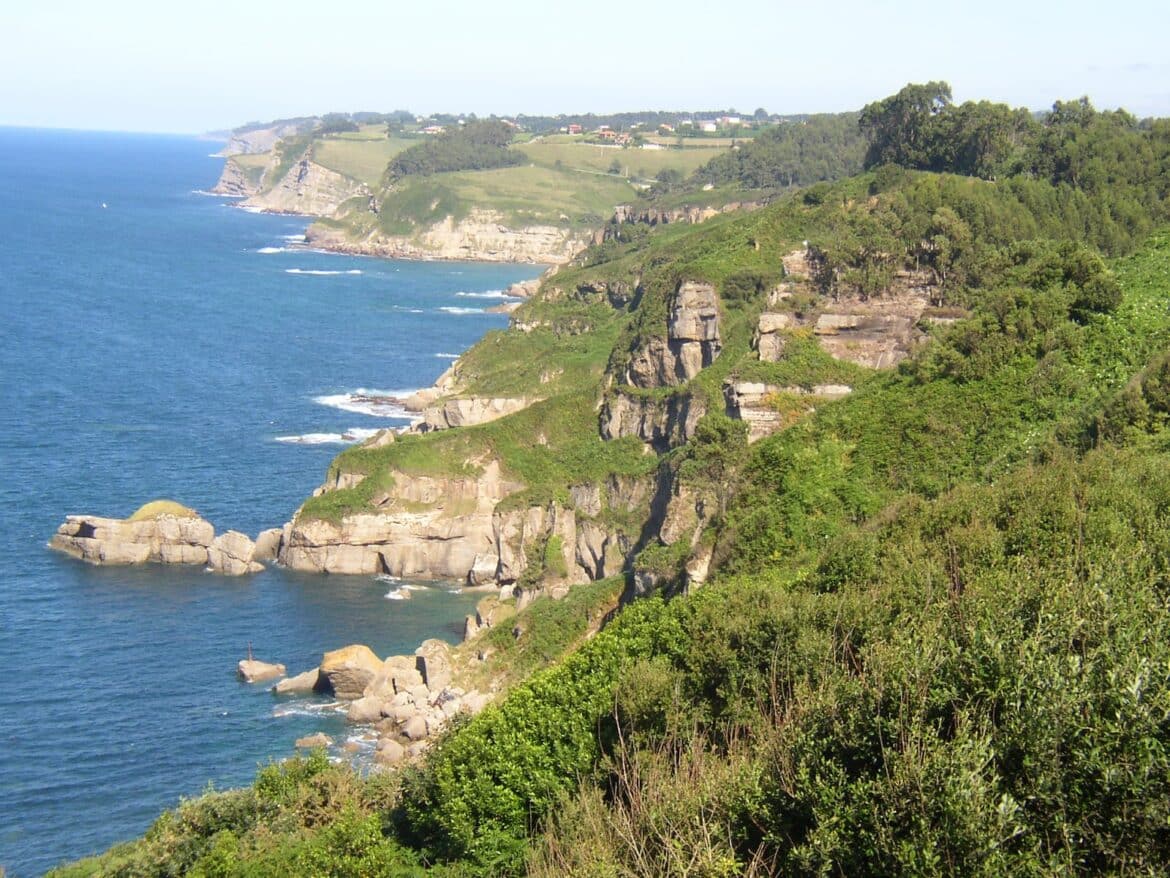
Finally, social media has introduced the Camino to new audiences. Stunning photographs of ancient stone bridges, dramatic coastal landscapes and the magnificent Santiago de Compostela Cathedral continue to inspire future pilgrims.
Yet those who have completed the journey often say the photographs never tell the whole story.
The true magic of the Camino can only be experienced on foot.
More Than One Camino
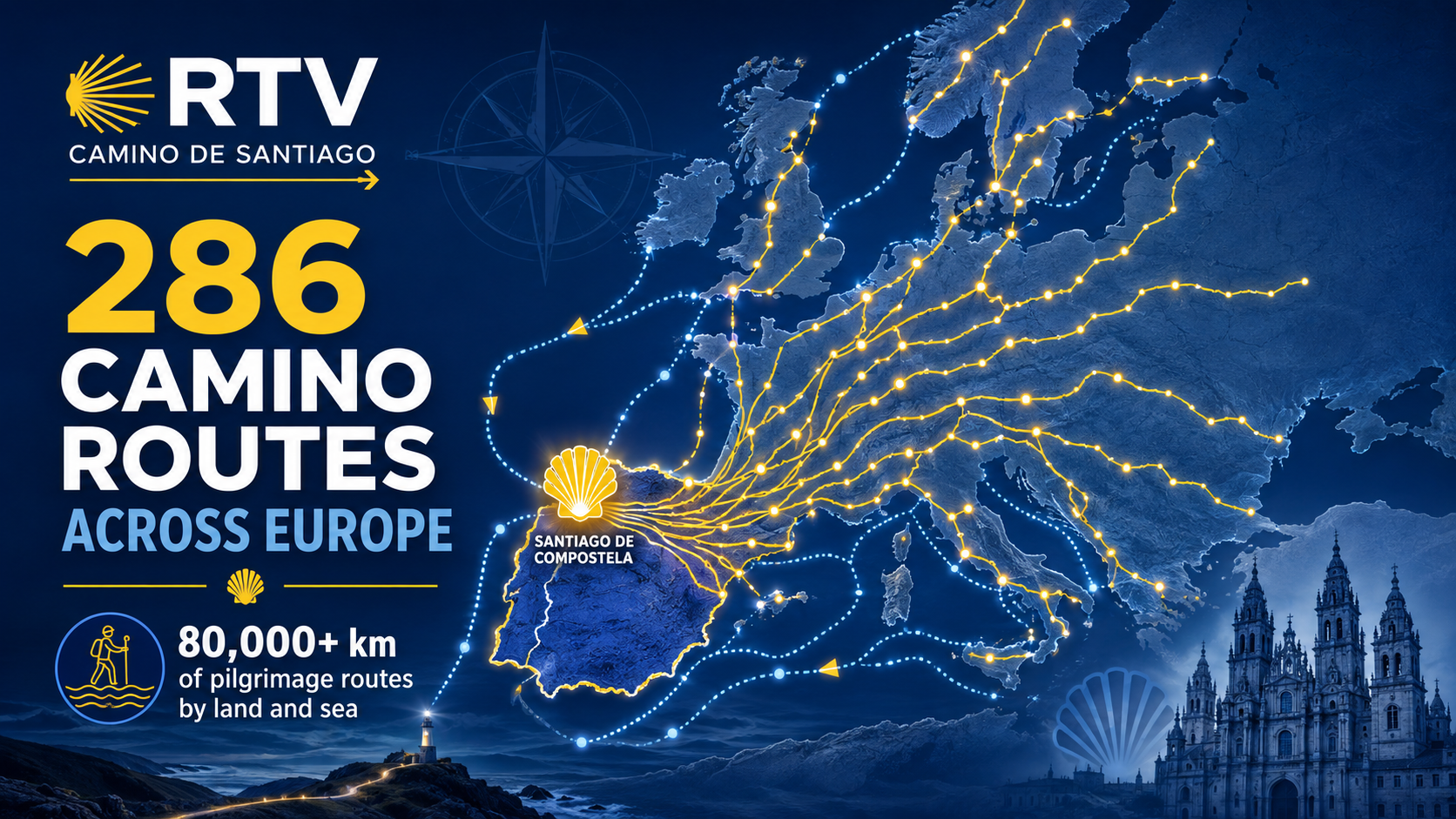
Although the Camino Francés remains the most famous route, increasing numbers of pilgrims are exploring alternative paths.
The spectacular Camino del Norte, following Spain’s northern coastline, offers breathtaking sea views.
The historic Camino Primitivo, considered the oldest pilgrimage route, attracts those looking for a more demanding challenge.
Meanwhile, the Camino Portugués continues to gain popularity among international visitors seeking a slightly different experience.
Each route has its own personality, traditions and landscapes, but all share the same destination: Santiago de Compostela.
Lessons Learned Along the Way
Pilgrims often begin their journey with practical concerns.
Will I be able to finish?
Have I packed enough?
Will I get lost?
But somewhere between the early morning departures and the final kilometres into Santiago, priorities begin to change.
The Camino teaches patience.
It teaches gratitude.
It reminds us of the importance of simple things: a hot meal, a comfortable bed, a shared laugh with fellow pilgrims and the satisfaction of reaching the end of another day’s walk.
Many pilgrims return home physically tired but emotionally renewed.
Santiago: More Than a Destination
Arriving at the cathedral square in Santiago de Compostela is an emotional moment that few ever forget.
Some celebrate loudly.
Others sit quietly and reflect on everything they have experienced.
Tears, smiles and embraces are common sights beneath the towers of the cathedral.
Yet experienced pilgrims will often say the same thing:
The Camino was never really about arriving.
It was about everything that happened before.
One Step at a Time
In a world increasingly defined by speed, the Camino de Santiago invites people to embrace a different rhythm.
One step.
One conversation.
One sunrise.
One village.
One unforgettable experience.
Perhaps this is why, centuries after the first pilgrims made their way across Europe, the Camino continues to inspire new generations.
Because sometimes the most extraordinary journeys begin with the simple decision to take the first step.
Buen Camino.