Los Cruceiros: Stone Guardians on the Camino de Santiago
The Camino de Santiago is much more than a pilgrimage route; It is a journey through history, culture and faith. Among the most emblematic and unique elements that mark its trails, especially in Galicia, are the cruzeiros. These stone crosses, loaded with symbolism and popular art, are silent witnesses of the passage of thousands of pilgrims and authentic jewels of ethnographic heritage.

What is a Cruise?
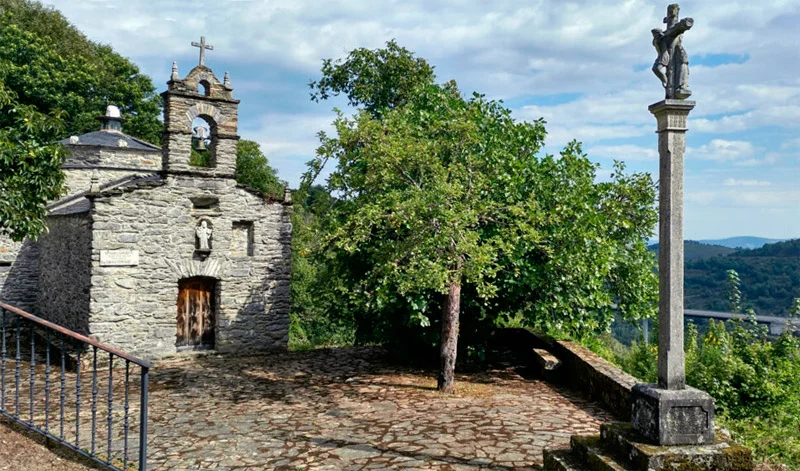
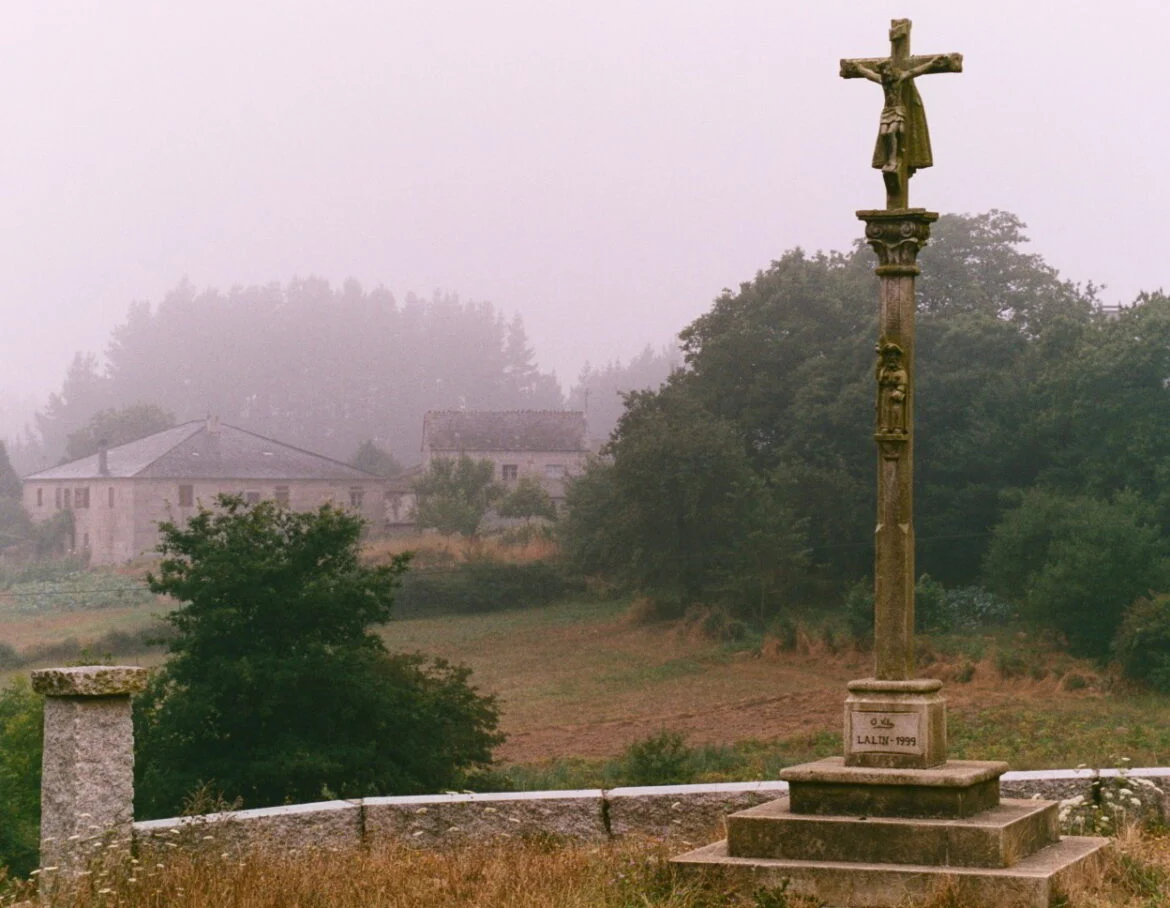
A cruzeiro is a monumental stone cross, usually granite, that stands on a pedestal and a platform (gradón). Although its basic structure is always the same, the details vary greatly:
- Platform (Grade): One or more stands that serve as a base.
- Pedestal: The base itself, often quadrangular and sometimes with inscriptions.
- Shaft (Column): The vertical body, which can be smooth, faceted or decorated with figures.
- Capital: The upper part of the shaft, with complex ornamentation that may include scrolls, angels or skulls.
- Cross: The culminating piece. It almost always presents on its main face (the one that looks towards the road or the town) a Crucified Christ and, on the back, an image of the Virgin Mary or of some saint.
History and Meaning on the Road
It is estimated that in Galicia there are between 10,000 and 15,000 cruzeiros, the majority being built between the 17th and 19th centuries, under the influence of the Baroque, although there are medieval pieces of great value, such as the famous Melide Cruise (considered one of the oldest, dating back to the 14th or 15th century).
Its function in the context of the Camino de Santiago is multifaceted:
- Evangelization and Protection Milestone: Originally, they were erected to Christianize places that may have previously had a pagan meaning, or simply to mark crossroads and entrances to towns. It was believed that his presence interceded for people and warded off the devil.
- Geographic Reference: They function as milestones or cairns, helping pilgrims to orient themselves and know that they are on the right path.
- Via Crucis and Devotion: Many of them are integrated into a Via Crucis (Way of the Cross), offering pilgrims a place for prayer, reflection and remembrance of the Passion of Christ. The symbolism of Christ and the Virgin on opposite sides represents redemption and consolation, essential elements in the spirituality of the pilgrim.
- Connection between the Earthly and the Divine: For Galician popular culture, the cruzeiro symbolizes the union between heaven and earth. Oral tradition, collected by intellectuals like Castelao, says that running towards a cross was the safest way to protect oneself from the Holy Company (the procession of souls in pain), since they had no power in his presence.
Emblematic Cruises on the Route
Several cruzeiros have achieved special fame for their beauty, antiquity or unique location on the Jacobean routes:
- Melide Cruceiro (French Way): A key piece, known for its mixture of Romanesque and Gothic styles, representing Christ Crucified.
- Cruceiro de Hío (Cangas, Camiño da Costa): Although it is not strictly on the main route of the Camino de Santiago, it is considered a masterpiece of baroque art, standing out for its sculptural richness, narrating scenes from Adam and Eve to the Last Judgment.
- Crossings on the Camino del Mar de Arousa and Ulla (Traslatio): This maritime-river route, which recreates the arrival of the remains of the Apostle Santiago, is marked by a unique set of 17 cruzeiros or calvarios on the banks, forming the only Maritime-river Via Crucis of the world.
- Cruceiro do Home Santo (Santiago de Compostela): Gothic in style, it has had several locations and represents the crucifixion, being a landmark near the end of the route.
The cruzeiros are, ultimately, much more than simple stone monuments; They are condensers of faith, art and tradition. They offer the pilgrim not only a point of reference in the landscape, but also a profound reminder of the spiritual dimension of the journey, inviting a pause and contemplation before reaching the goal.