La Cruz de Ferro is reformed after years of controversy
The Cruz de Ferro, one of the most symbolic places on the French Way, will once again be the subject of an intervention after years of debate, protests and concern for the conservation of this enclave located on Mount Irago.
The action will involve an investment of almost 90,000 euros and aims to recover the original appearance of the environment, organize the space and improve both security and accessibility for pilgrims.
It won't be just any work. The Ferro Cross For years there has been a strong controversy over how one of the most recognizable points on the entire Camino de Santiago should be preserved. On different occasions, pilgrims, neighbors and associations have mobilized under a very clear message: “The Ferro Cross is not touched”.
Now, however, new works arrive.
Almost 90,000 euros to recover the environment
The budget for the intervention amounts to 89,401.10 euros and the work is scheduled to begin at the end of this week.
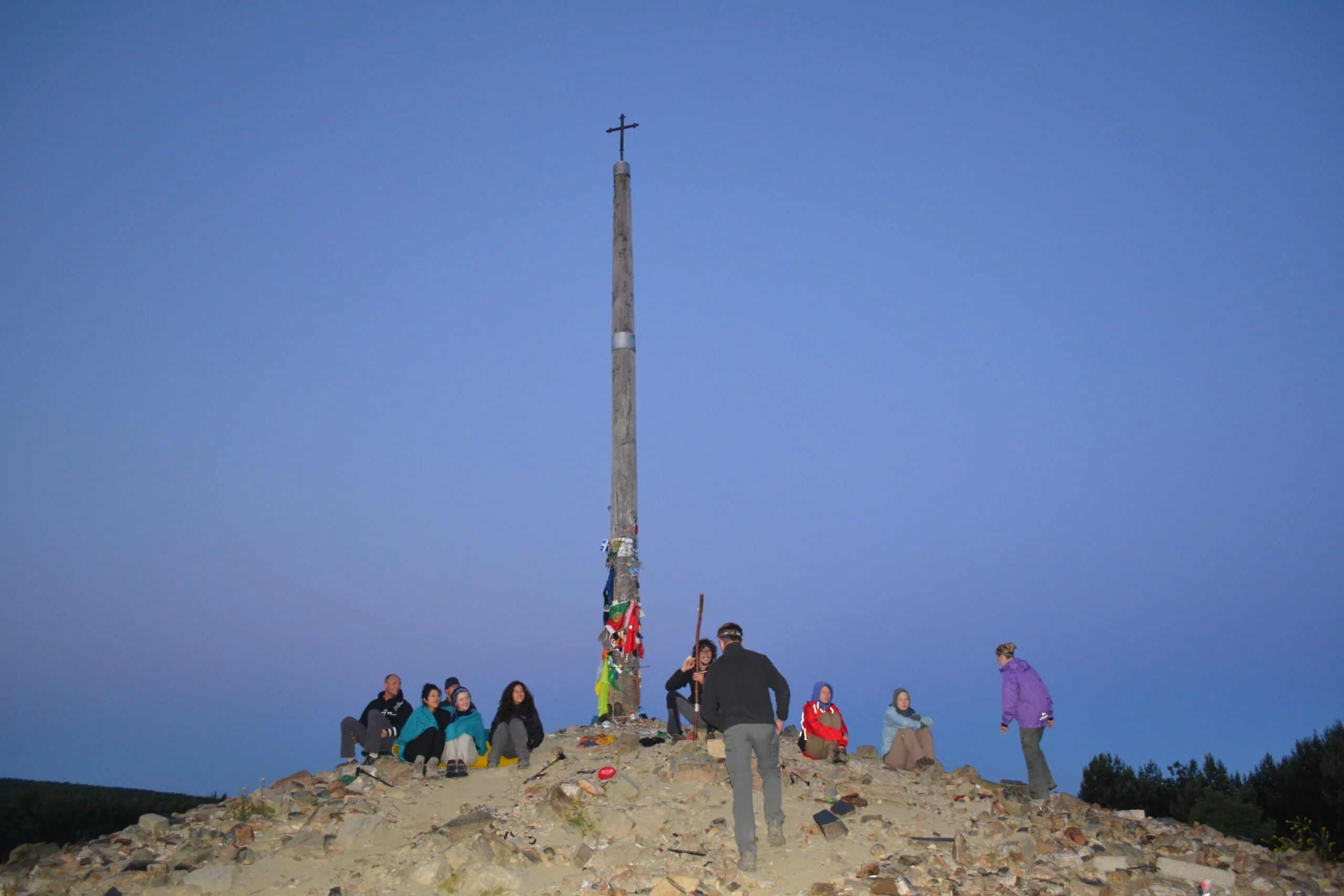
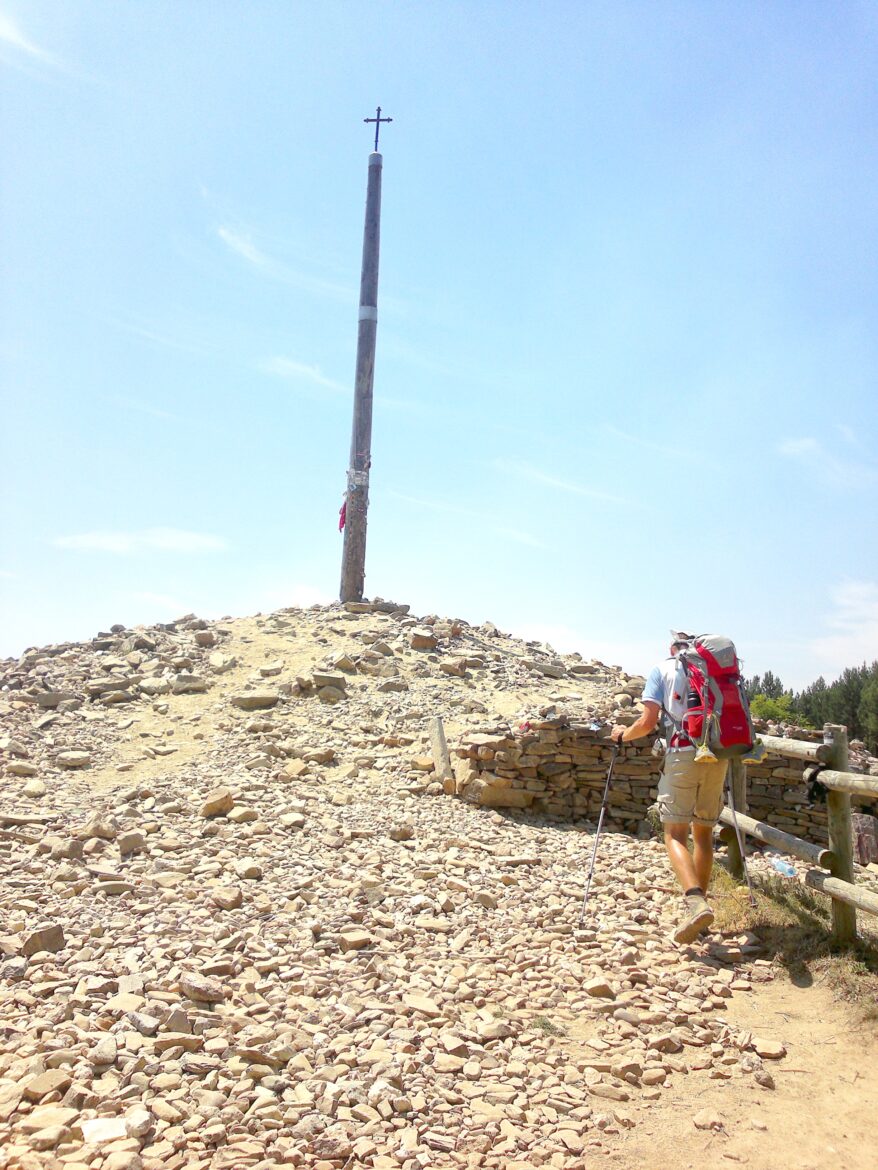
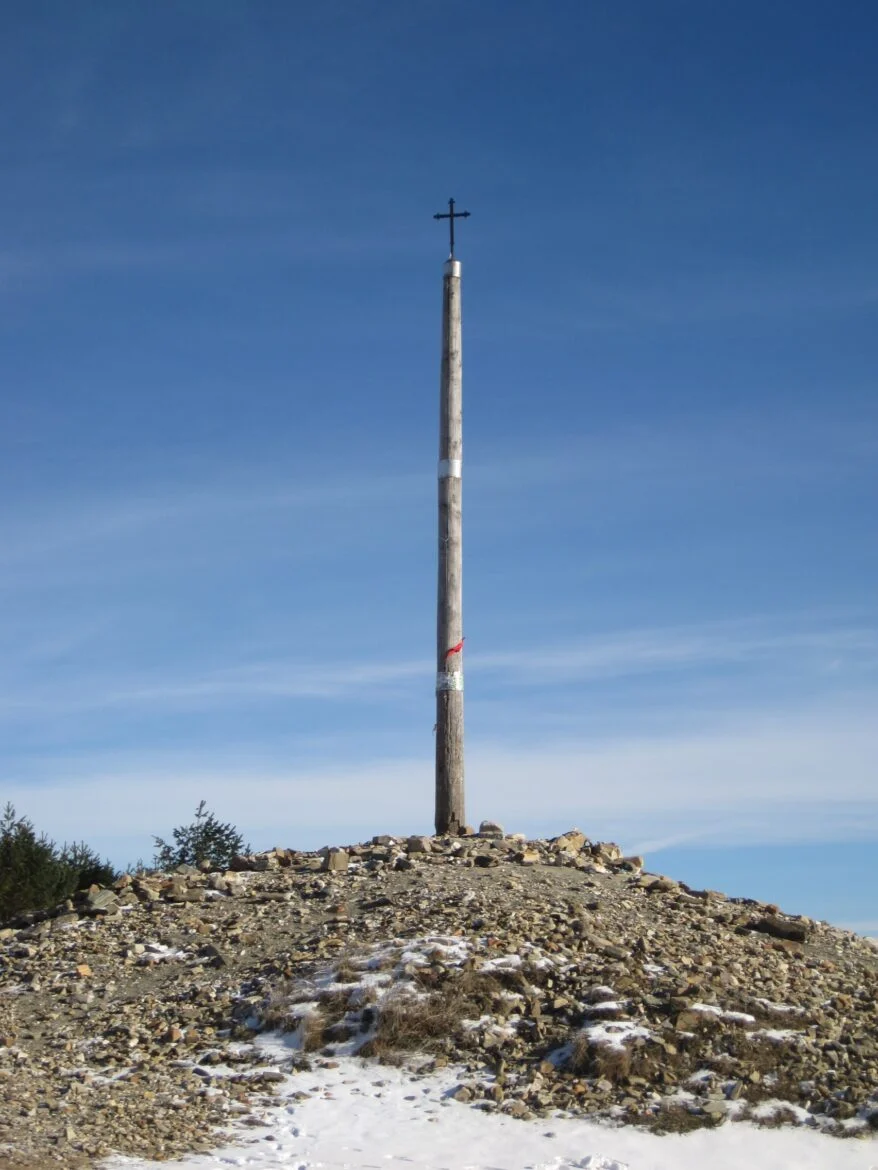
The project aims to act on the mound of stones that surrounds the cross, one of the most characteristic elements of the place and in which thousands of pilgrims deposit a stone every year as a symbol of burdens, memories, promises or desires that they leave behind during their Camino.
The intention is to reuse the existing stones themselves to recover an image closer to the traditional configuration of the enclave.
Actions will also be carried out to improve drainage, accessibility and general protection of the space.
A place converted into a symbol of the Camino
La Cruz de Ferro is located at about 1,500 meters above sea level, between Foncebadón and Manjarín, and is one of the most photographed and recognized points of the French Way.
Its image is simple: a tall wooden post crowned by a small iron cross and surrounded by an enormous mound formed over decades by the stones left by pilgrims.
But precisely this accumulation and the enormous popularity of the place have caused problems of conservation, vehicle circulation, erosion and alterations of the environment.
The growing pressure of visitors has for years opened a debate about where conservation ends and where an excessive transformation of a space loaded with symbolism begins.
“The Ferro Cross is not touched”
The controversy reached special intensity in recent years.
Pilgrims, Jacobean groups and people linked to the territory staged rallies demanding greater protection of the enclave and rejecting actions that, in their opinion, could alter its historical and emotional character.
The chosen motto perfectly summarized that position: “The Cross of Ferro is not touched.”
The mobilizations showed to what extent this place has ceased to be simply a geographical point on the Camino to become a deeply emotional space for thousands of people.
That is why any intervention generates much greater attention than a conventional work would have.
Fewer vehicles and greater protection
The new project also includes measures to limit the impact of vehicles in the vicinity of the cross and improve the organization of the space.
The intention is to promote a safer and more respectful environment for those who arrive on foot and reduce some of the problems caused by the high concentration of people at certain times of the year.
During the execution of the works, access restrictions could occur for approximately two weeks, so pilgrims passing through this area should be alert to possible temporary changes in the passage.
The proposal selected for the intervention obtained around 80% support in a prior consultation, a data that the responsible administrations use as support for the project.
Restore without changing the essence?
That will probably be the big challenge.
Recover, protect and organize the Cruz de Ferro without eliminating precisely what has made it one of the most special places on the Camino de Santiago.
Because the true value of the enclave is not only in the cross or the mound of stones.
It is in the thousands of pilgrims who have come there for decades carrying a small stone from their places of origin and who, by depositing it, have turned that simple gesture into one of the best-known rituals of the French Way.
After years of hearing that “the Cruz de Ferro is not touched”, this time it will be intervened.
The difference will be in checking if the works achieve exactly what many pilgrims have been demanding for a long time: that touching it serves to preserve it, not to change it.
-

The Winter Road already exceeds the balance of pilgrims for all of 2025
The balance presented in A Rúa registers 2,923 pilgrims so far in 2026. The tenth anniversary days focus on welcome and services.
-
Father Ernesto de Güemes: a life dedicated to pilgrims
We recover the interview from the Ministry of Culture with Ernesto Bustio, founder of the La Cabaña del Abuelo Peuto hostel, a benchmark of hospitality in Güemes.
-
A New Book Reveals the Art of the Camino
An illustrated 808-page book brings together around 4,000 photographs to reveal the art and architecture of the Camino Francés and Santiago Cathedral.