
Heartbeat of Stone and Soul: The Path that Aspires to Eternity
Pamplona, Navarra. Saturday of excitement and encounter. The old Museum of Navarra, guardian of centuries, has today become the beating heart of an ancestral tradition. It has not been a simple day, but a solemn meeting of souls dedicated to guarding the most human and sensitive treasure of the Camino de Santiago: Jacobean Hospitality.
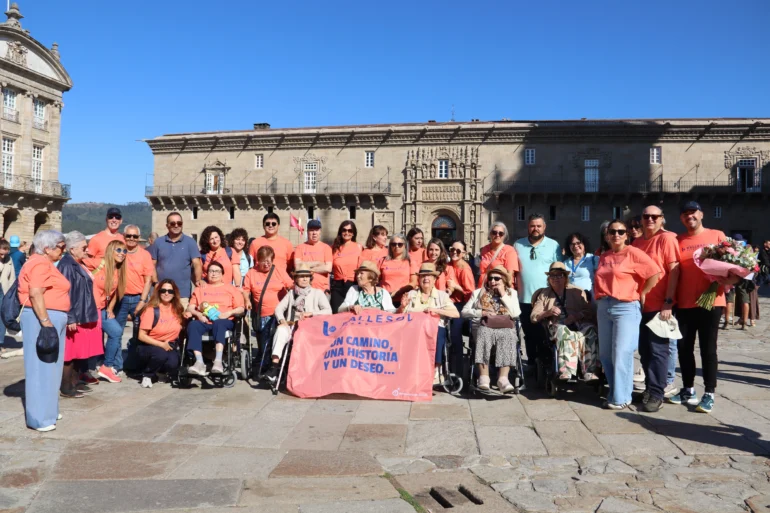
Under the auspices of the Government of Navarra and the Ministry of Culture, this meeting has brought together historians, academics, researchers and, above all, those anonymous heroes —the hospitaliers— who, with open hands and hearts, keep alive the flame of welcome. The objective is as noble as it is ambitious: to elevate "welcoming the pilgrim" from a simple act to the category of Representative Manifestation of the Intangible Cultural Heritage of Spain.

When opening the meeting, counselor Rebeca Esnaola not only spoke words, but also shared a deep conviction. The urgency to “preserve and strengthen Jacobean hospitality” has resonated in the room, that chain of generosity that is “one of the most valuable traditions of the Camino,” a living symbol of service, coexistence and the sacred encounter between cultures that occurs at each stage.
Throughout the morning, in an atmosphere full of respect and devotion to the cause, the work tables have immersed themselves in the soul of this tradition. From the voice of the historian José Manuel Rodríguez Montañés, author of the founding document for protection, to the wisdom of the anthropologist Sara González Cambeiro and the director Susana Irigaray, the immaterial essence of this legacy has been revealed. The resonance of a thousand years of welcome has been felt, understanding why the simple gesture of offering shelter and comfort is worthy of being treasured and protected forever.
Finally, emotion has been mixed with vision for the future. Representatives of the autonomous communities through which the Jacobean Route winds (Navarra, Castilla y León, Galicia) have joined hands in a shared commitment. Figures such as María Teresa Carballeira, Ángel González Pieras and Ildefonso De la Campa have debated the challenges, aware that the protection of this vital tradition requires a heart to heart coordination among all territories.
Today, in Pamplona, a firm step has been taken to ensure that that unconditional hug, that cup of hot broth and that bed offered to the tired pilgrim, not only last over time, but are finally recognized as the deepest and most moving heartbeat of the immense Camino de Santiago.