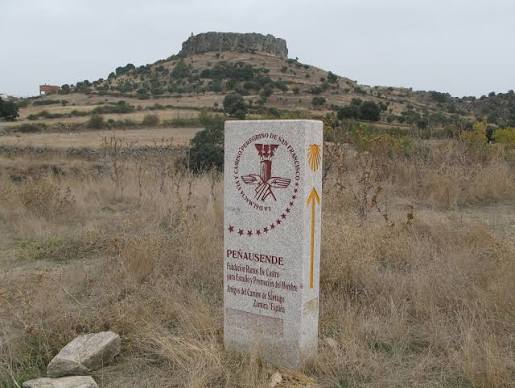
Zamora has decided to look at the next Xacobeo Year with a clear idea: to take advantage of the enormous Jacobean network that crosses the province to turn the Camino de Santiago into one of the great axes of its tourism promotion during 2027.
The campaign, presented under the slogan “Zamora, your Inner Path 2027”, wants to go much further than using the Camino as a simple passing itinerary. The proposal seeks for the pilgrim to discover an entire province through its routes, its heritage, its gastronomy, the Duero, its towns and some of its most recognizable landscapes. Zamora News
More than 500 kilometers of Jacobean routes
The province brings together more than 500 kilometers of itineraries linked to the Camino de Santiago.
The tourist documentation available currently lists six historical routes: Vía de la Plata, Camino Sanabrés, Camino de Levante, Caminos de Poniente, Camino Portugues and Camino Matritense. Some promotional communications talk about five routes, but the provincial tourist documentation itself includes six itineraries. Zamora News
This network allows you to cover a good part of the Zamorano territory and connect very different areas with each other.
From the Land of Wine and the capital to Granja de Moreruela, Tábara, Santa Marta de Tera, Sanabria or the territories near Portugal.
The Camino as the common thread of an entire province
The strategy for 2027 wants to take advantage of precisely that diversity.
The pilgrim appears as the common thread of a campaign that shows different faces of Zamora: the Duero, a winery, the Cathedral, the Romanesque, small towns and landscapes of Sanabria.
The idea is simple: that those who cross the province do not limit themselves to following the yellow arrows on the way to Santiago, but rather stop, get to know the territory and extend their stay. Zamora News
Wine, cheese, Romanesque and Camino
One of the most interesting points of the proposal is the relationship between pilgrimage and gastronomy.
Zamora wants to take advantage of the passage of walkers to highlight the wines of Toro, Arribes and Tierra del Vino, Zamorano cheese, traditional wineries and local products.
The Camino is also presented as an economic opportunity for small towns and rural businesses.
A pilgrim doesn't just walk.
He also sleeps, eats, shops, talks and discovers the place he passes through.
The Douro and the Portuguese border
Another of the great scenarios of the project is the territory of Sayago and the Arribes del Duero.
The so-called Caminos de Poniente maintain a historical relationship with pilgrims from Portugal and Salamanca lands, later linking with Zamora and the Vía de la Plata.
This border landscape—the Raya—also allows us to reinforce an international dimension of the Camino that is often overshadowed by the best-known routes. Zamora News
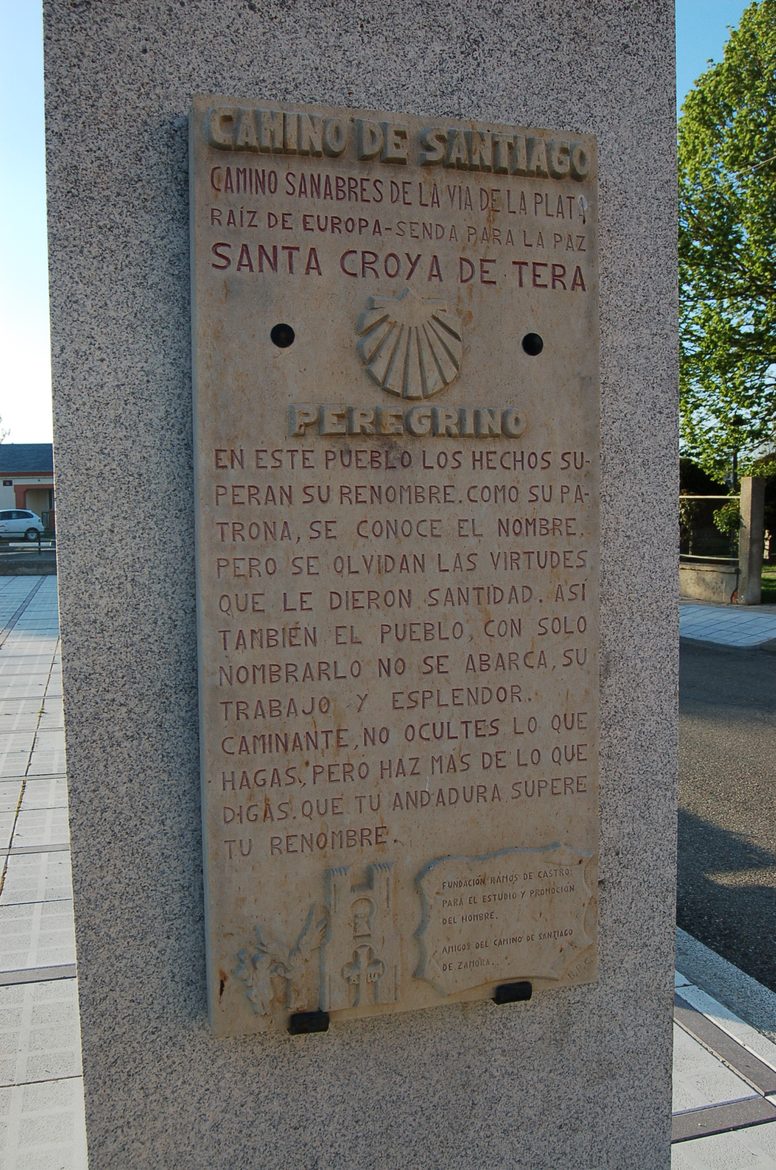
Zamora capital, a stop that wants to gain prominence
The Vía de la Plata crosses the city of Zamora and continues later towards Montamarta and Granja de Moreruela.
But the campaign wants the capital to stop being just another stage.
The concentration of Romanesque churches, the Cathedral, the castle, the water mills and the Duero itself make the city one of the most important heritage sites in this entire Jacobean network.
Sanabria: when the Camino enters the mountain
The project also focuses on Sanabria.
Places such as San Martín de Castañeda, the surroundings of Lake Sanabria, Puebla de Sanabria and the small towns in the region offer the pilgrim a completely different experience from that of the more urban areas.
Mountain, water, forest and historical heritage become traveling companions here before continuing towards Galicia.
The great challenge: getting the pilgrim to stay
Behind all this strategy there is also an economic and territorial issue.
Zamora wants the hundreds of kilometers of Camino to help increase overnight stays, local consumption and activity in rural areas.
It is not just about getting more pilgrims.
It is about ensuring that those who already cross the province stop, get to know their towns and find reasons to return.
The Provincial Council has explained that during 2027 it wants to reinforce the actions linked to the Camino, taking advantage of the international pull of the next Xacobeo Year. za49.es
Zamora wants to be much more than just a transit area
The concept “Inner Path” It sums up the intention of the campaign well.
Santiago will continue to be the destination of many pilgrims.
But Zamora wants to achieve something different:
that those more than 500 kilometers are not simply a distance that must be overcome.
May the pilgrim remember a Romanesque church, a conversation in a town, a glass of wine, the silence of Los Arribes or a sunrise in Sanabria.
In short, that a part of Zamora continues traveling with him long after leaving the province.