
The International Conference “Caminhos do Sul” started on November 25 at the Bernardim Ribeiro Theater, in Estremoz, with representatives from Portugal and Spain. The meeting continues on November 26 and discusses how to improve the management, accessibility and support of the itineraries of Santiago that traverse the Alentejo, or Ribatejo and south of the Iberian Peninsula.
The Regional Tourism Entity of Alentejo and Ribatejo promotes the conference, with the support of the Municipal Chamber of Estremoz and curator of the historian Paulo Almeida Fernandes. The opening session includes the program José Sádio, president of the Chamber, José Manuel Santos, president of the regional tourism entity, and Ildefonso de la Campa, president of the Federação Europeia do Caminho de Santiago. Javier García Turza, of the Spanish Association of Caminho Municipalities, held the inaugural conference.
Estremoz, where the Caminho Nascente finds the Badajoz ligação
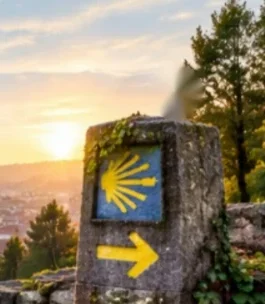
The Estremoz school helps to perceive the topic of the conference. In statements to ODigital.pt on the first day, Pedro Beato, vice-president of Tourism of Alentejo and Ribatejo, explained that the league coming from Badajoz joins the city on the Caminho Nascente. This enters the Alentejo coming from Alcoutim and passes through Mértola, Beja and Évora before reaching Estremoz.
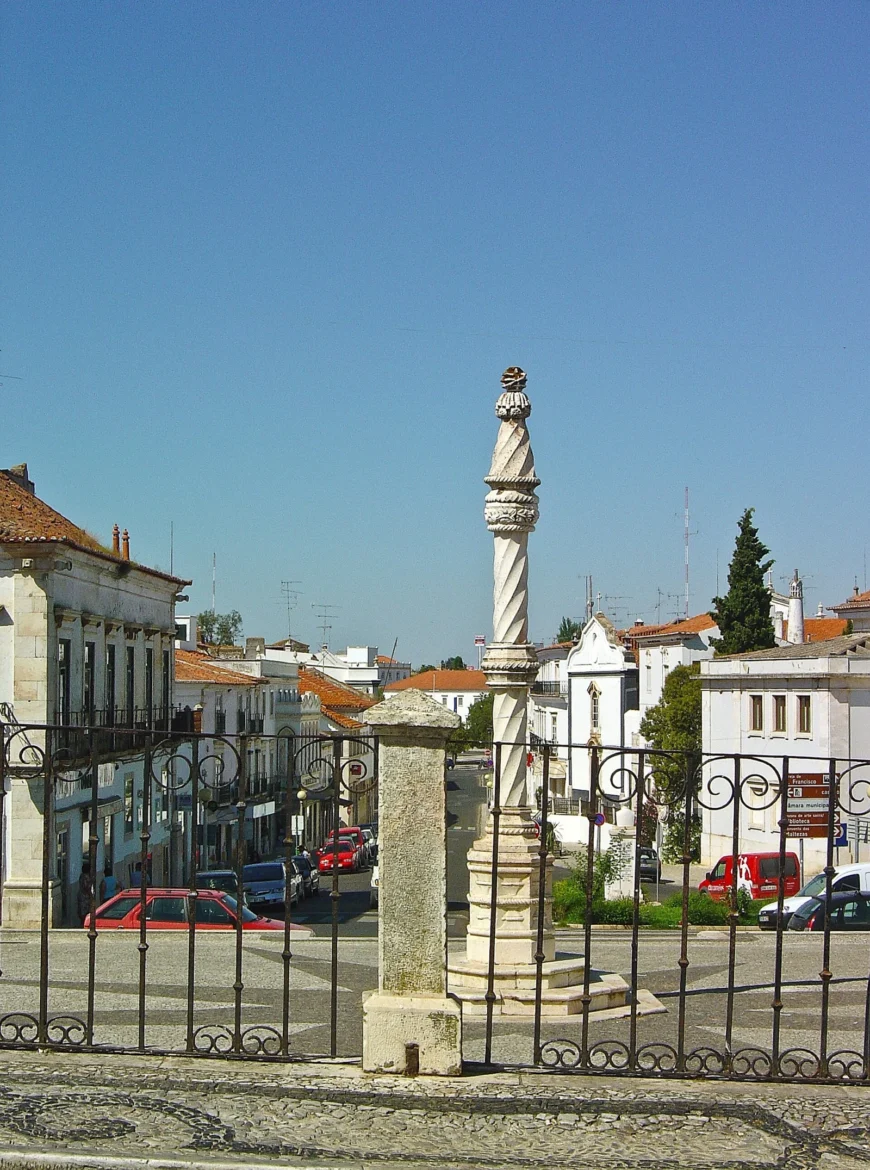
Beato also discovered alternatives starting from Castro Verde, not Caminho Central. The route can follow Messejana or detour to the west, in the direction of the coast. Both options will be found in Santiago do Cacém. There are examples of how the itineraries of the South intersect and how a selection of a silent variant is located where a pilgrimage passes.
The fourth fair program together with examples of management from Alentejo and Ribatejo, from the Algarve and from Spain, and including a panel dedicated to the future of the Southern Roads. Reserved also a session linking the itinerary with the history and heritage of the city of Estremoz itself.
Water, shade and support for the pilgrim
Apart from the opening, José Manuel Santos asked the Portuguese Tourism for a support program for the years. Among the needs that are provided are water points, shaded areas and long-term services. São proposals presented during the meeting. The request for support requires the certification of two itineraries under the conditions that pilgrims encounter between locations.
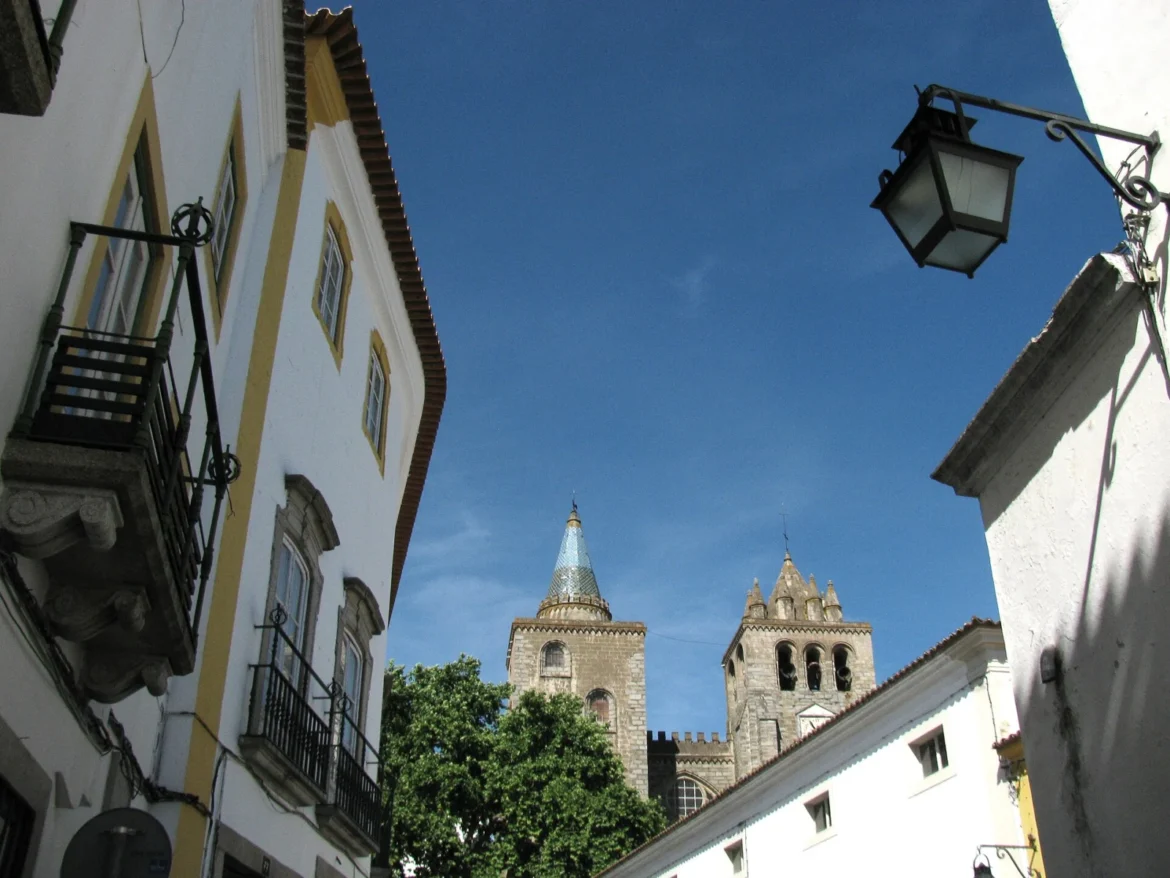
The Estremoz debate has a recent antecedent in Spain. On November 18 and 19, Magacela received Iberian Congress Vertical Way, where the signal and support are also in discussion. These two meetings are integral to the cross-border cooperation of the Vertical Caminho project, co-financed by the Interreg Spain–Portugal programme. Collaboration between territories is also the subject of RTV 's coverage of link between Galiza and Portugal before Xacobeo.
Or what is scheduled for November 26
The program resumes at 10:00 a.m., continental Portuguese time, with an intervention by Daniela Capelo, vice-president of the Portuguese Road Federation of Santiago, on cooperation between routes. A manhã includes sessions on the pilgrim experience, literature and accessibility. The closing of the sessions is scheduled for 12:50 p.m.
At 2:30 p.m. an interpretive walk dedicated to the Figurado em Barro de Estremoz, inscribed by UNESCO on the list of intangible cultural heritage, is marked. To compare other pilgrimage links in the country, RTV gathered information on The journeys of Santiago and Fátima.
In Estremoz, a discussion on the links to Santiago involves the conditions that make it different from each other, such as finding water, shade and support along the journey.
Sources: Municipal Chamber of Estremoz · ODigital.pt, opening and program · ODigital.pt, Alentejo itineraries · ODigital.pt, statements by José Manuel Santos · Badajoz Provincial Council, Magacela balance.
Images: Archive photography: Vitor Oliveira from Torres Vedras, PORTUGAL · CC BY-SA 2.0 · Wikimedia Commons | Archive photography: FlavioGalvao · CC BY-SA 3.0 · Wikimedia Commons.
Cover photo: Alvesgaspar · CC BY-SA 3.0 · Wikimedia Commons