
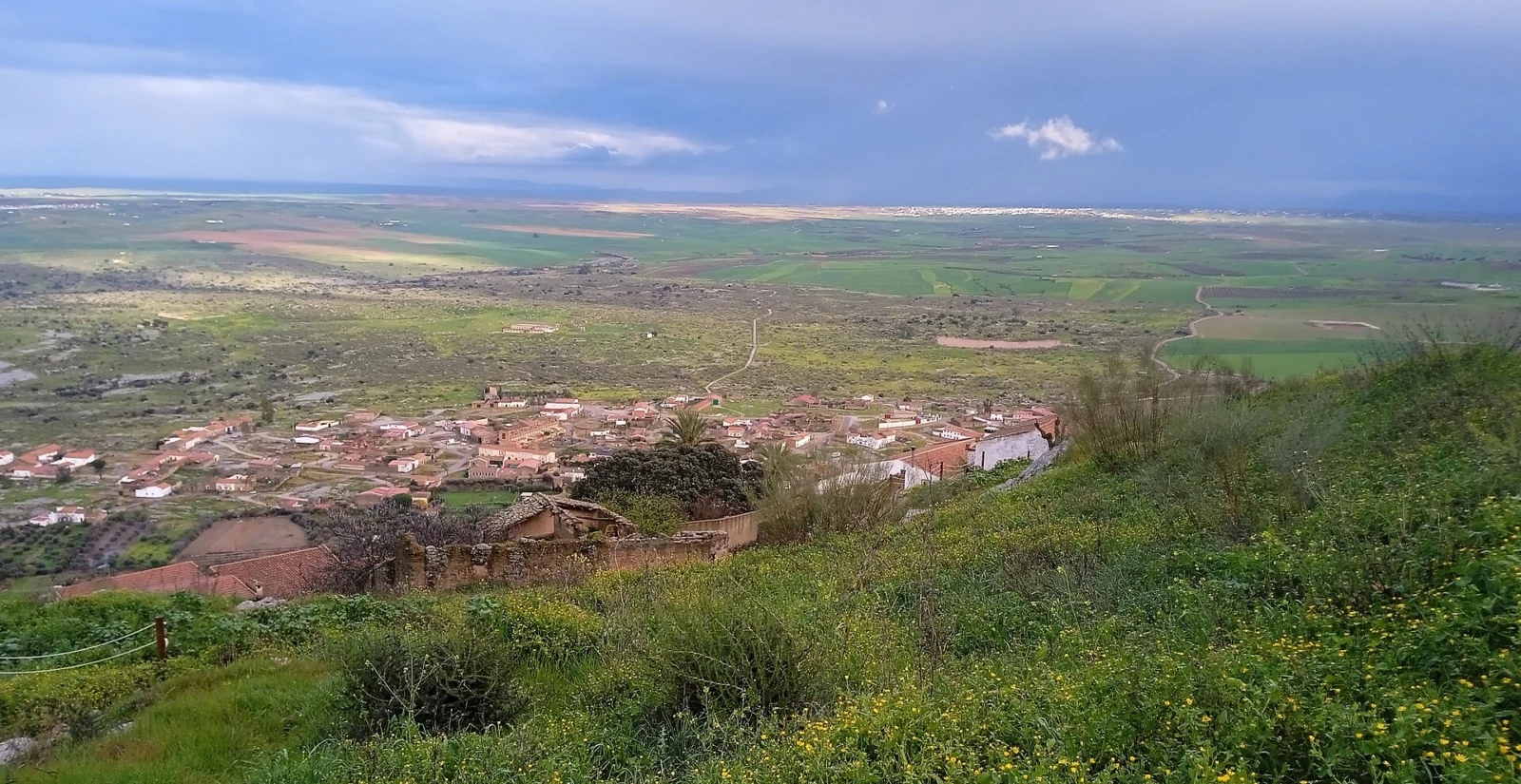
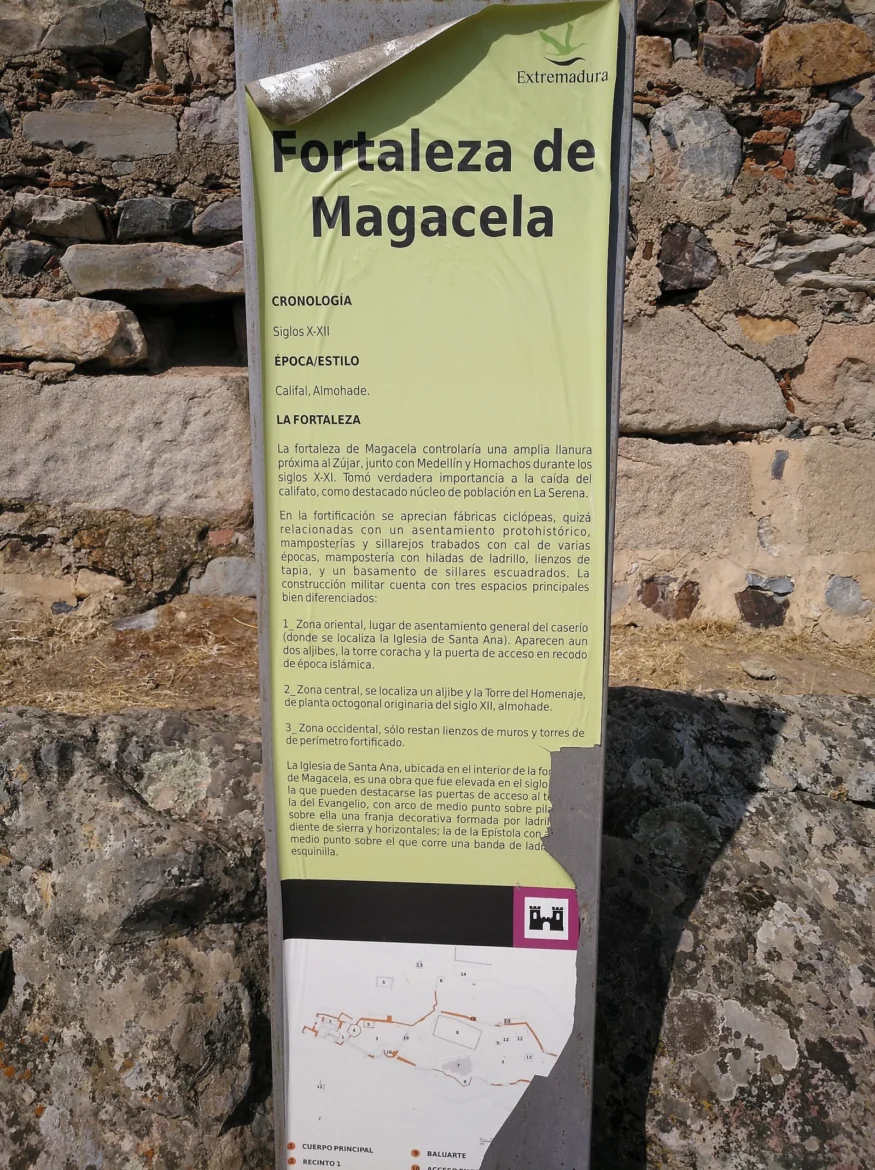
Reinforce the signal and lengthen the support for pilgrims for the two priorities of the first Iberian Vertical Way Congress, which brought together Portuguese and Spanish participants in Magacela, in the province of Badajoz, on November 18 and 19. The balance released on November 25 by the Badajoz Provincial Council is based on the Caminho Moçárabe and Via da Prata.
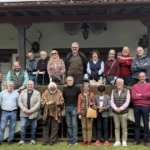
About fifty people participated, second to the provincial institution. The Magacela Sociocultural Center brings together public administrations, Jacobean associations, rural development groups and environmental representatives. The congress integrates the cross-border Vertical Caminho project, which brings together twelve partners from Spain and Portugal and receives co-financing from the Interreg Spain–Portugal program.
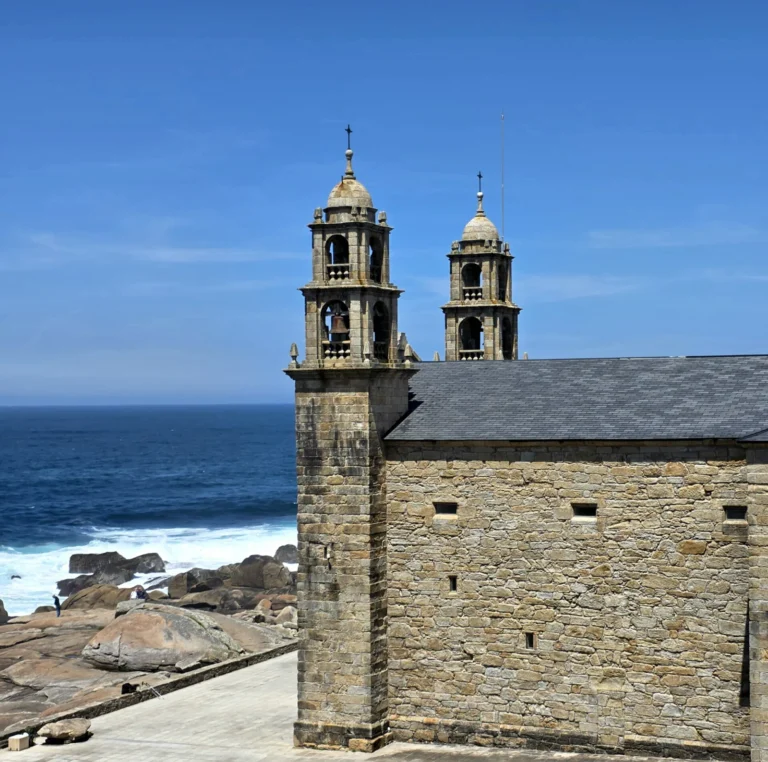
Sinalization and protection of western Iberian rocks
The interventions point to the need to coordinate the work of the two territories through which the itineraries pass. The balance includes proposals to lengthen or cushion, reinforce signaling and develop experiences linked to local products. The participants will also defend the advancement of the international recognition of Via da Prata. The statement presenting these matters as lines of discussion was not found.
The conservation of heritage has its own panel. Participating will be Juan Guerrero Gil, president of the Spanish Federation of Associations of Friends of the Camino de Santiago, Félix Palma, of the Consórcio da Cidade Monumental de Mérida, Michel Cerdá, of an association of friends of the Moçárabe Road in Paris, and Luis María González Méndez, of the Jacobean association of Mérida. We will debate ways to preserve heritage and social values and make them compatible with tourist activities.
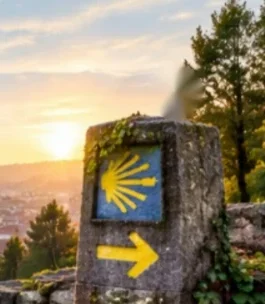
So that you plan to walk in the region, the localities help you understand how the route is organized. RTV has already published the story of Aljucén, in Extremadura, and some guides stages of the Caminho Moçárabe starting from Granada.
On the Portuguese side, the list of project partners includes the Tourism of Alentejo, the Municipality of Barcelos and the Regional Tourism Entity of Central Portugal. The Provincial Council of Badajoz is the coordinating entity. The network also brings together organizations that work in different regions of two countries.
Work started before the congress
Between November 10 and 12, six representatives of companies, associations and entities linked to the Caminho Moçárabe of the province of Badajoz will travel to Galiza to organize a more consolidated itinerary. A visit passed the public hostel in Portomarín and included contacts with the Federação Galega de Associações de Amigos do Caminho de Santiago.
Between November 16 and 18, five specialized agencies and operators, from Spain, Portugal and Glasgow, will travel across the region for a professional visit. The program included Mérida, the Cornalvo Natural Park, Medellín and Magacela, as well as a meeting with local companies and entities to explore marketing opportunities.
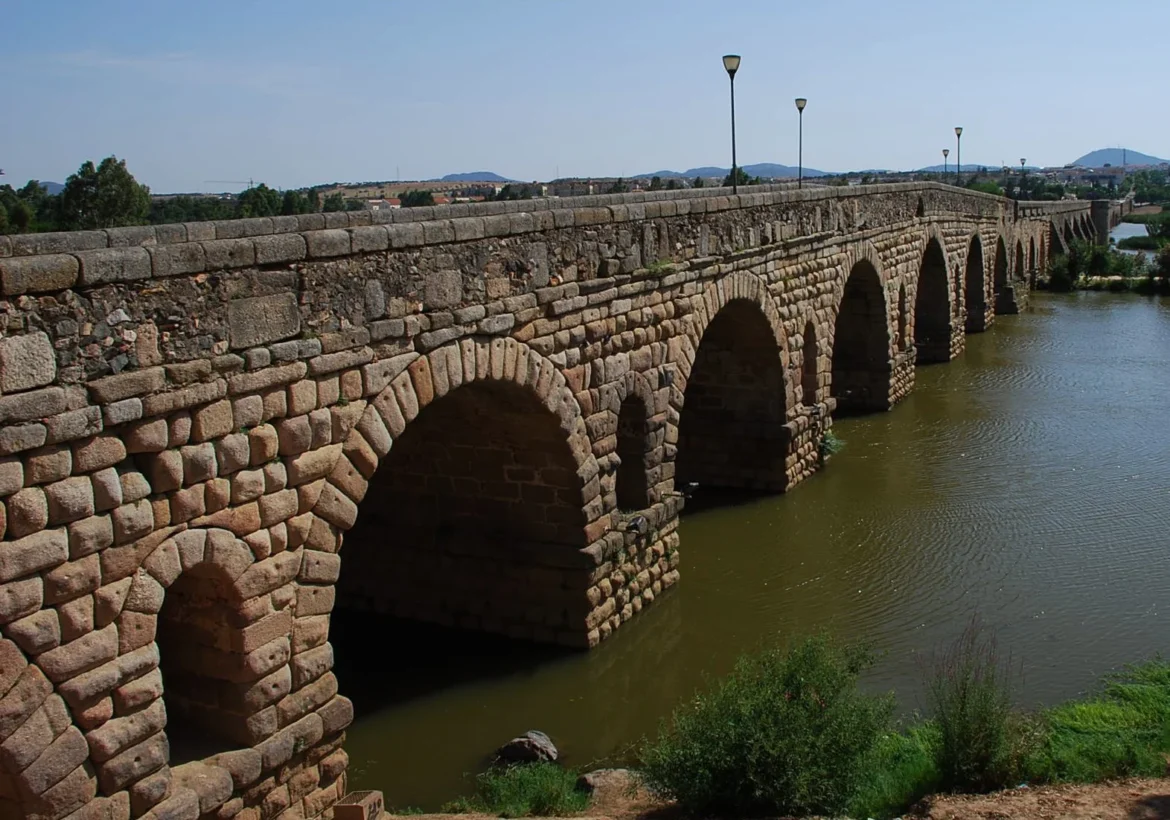
The same project goes to Estremoz
The cooperation continues on the Portuguese side on November 25 and 26, with International Conference “Caminhos do Sul”, in Estremoz. The Alentejo agenda includes sessions on managing itineraries, accessibility and heritage. It is also in Estremoz that, secondly, the Tourism of Alentejo and Ribatejo, the itinerary through Badajoz is linked to the Caminho Nascente.
You find space for common concerns. In Magacela, we discussed how to coordinate the synalization and support between municipalities. In Estremoz, the debate includes the link between variants and the conditions that walkers encounter on each route.
The Magacela balance identifies priorities that pilgrims will be able to accompany as they become concrete in the localities where they pass the Caminho Moçárabe and Via da Prata.
Sources: Badajoz Provincial Council, congress balance · Spanish Federation of Associations of Friends of the Road of Santiago · Municipal Chamber of Estremoz · ODigital.pt, link of Badajoz · POCTEP, file of the Vertical Road project.
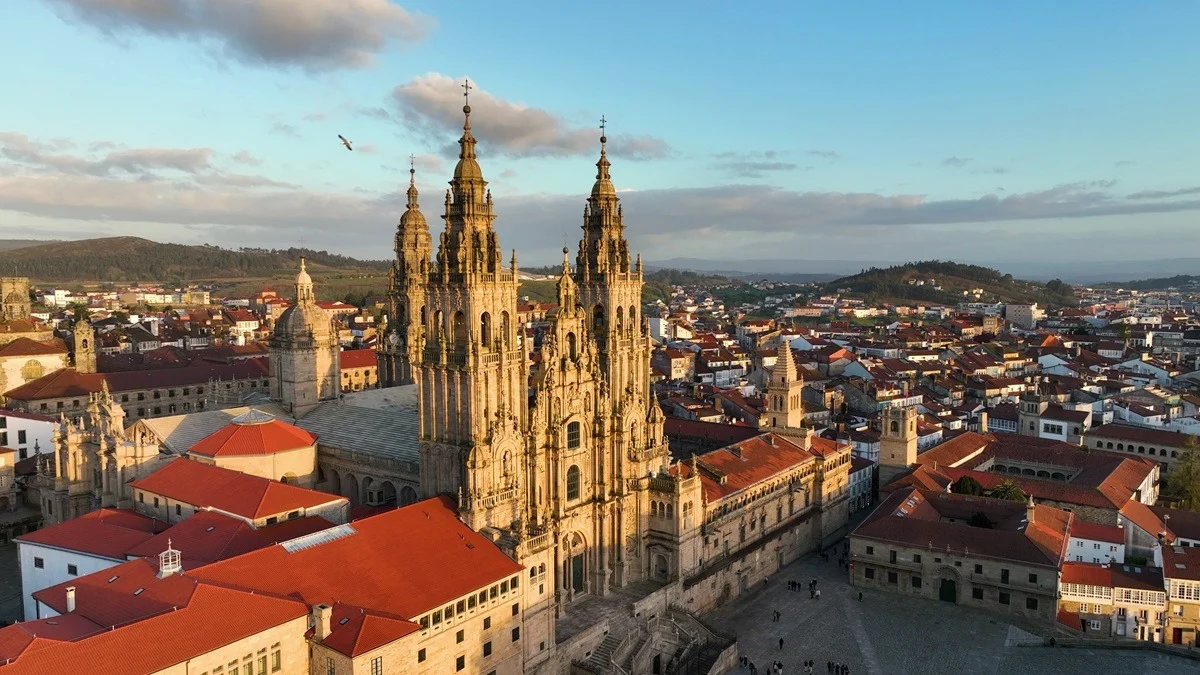
Images: Archive photography: Axel Cotón Gutiérrez · CC BY-SA 4.0 · Wikimedia Commons | Archive photo: Juanje 2712 · CC BY-SA 3.0 es · Wikimedia Commons.
Cover photo: Kani · CC0 · Wikimedia Commons