Portugal occupies a special position on the map of the great European pilgrimages.
On the one hand, thousands of walkers cross the country in the direction of Santiago de Compostela. On the other hand, Fátima continues to receive pilgrims who come only because of faith, for a promise or simply for the need to stop, walk and seek answers.
For many kilometers, these two universes are not separated.
The Caminos de Santiago and the Caminhos de Fátima are part of the Portuguese territory, creating a unique pilgrimage network where two of the great spiritual references of the Iberian Peninsula end up being found.
The same path, two destinations
Here are two clearer examples of this relationship found unchallenged Caminho do Norte ao Centro, two official itineraries on the Caminhos de Fátima.
It begins in Valença, next to the border with Galiza, and ends at the Santuário de Fátima.
São near 364 kilometers divided into 17 days, passing through towns such as Ponte de Lima, Porto, Águeda, Mealhada and Coimbra before continuing to the center of Portugal.
A large part of this itinerary coincides with the Caminho Português of Santiago.
This creates a curious situation: in the same territory we can find pilgrims walking in different directions.
We continue north, heading towards Santiago de Compostela.
Others descend to the south, trying to reach Fátima.
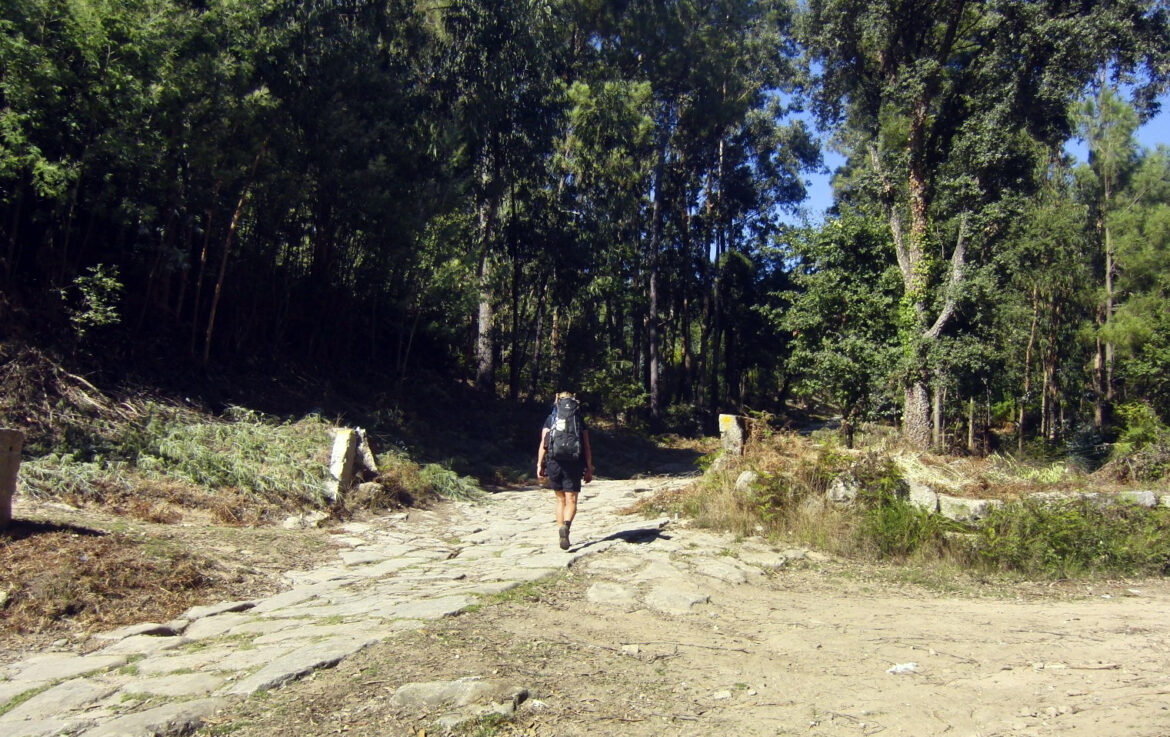
The Caminho Português runs through Portugal
The Portuguese Road of Santiago is one of the great Jacobean routes of the Iberian Peninsula.
The central itinerary can start in Lisbon and continue north through Santarém, Coimbra, Porto, Barcelos, Ponte de Lima and Valença before entering Galiza.
With these yellow mushrooms made, we help the pilgrims to continue in the direction of Santiago.
In recent decades, the Portuguese Road has also been one of the main international gateways to the Jacobean universe.
Many pilgrims know that part of these Portuguese paths is also related to the pilgrimages to Fátima.
150 kilometers from Lisbon to Fátima
Another two great Portuguese pilgrimage itineraries is the Tejo Road.
Liga Lisboa ao Santuário de Fátima ao longo de cerca de 150 kilometers, distributed over six days.
The route begins in the Portuguese capital and crosses areas linked to the Tejo Valley before advancing through the landscapes of the Aire and Candeeiros mountain ranges.
Santarém is one of two great points of passage.
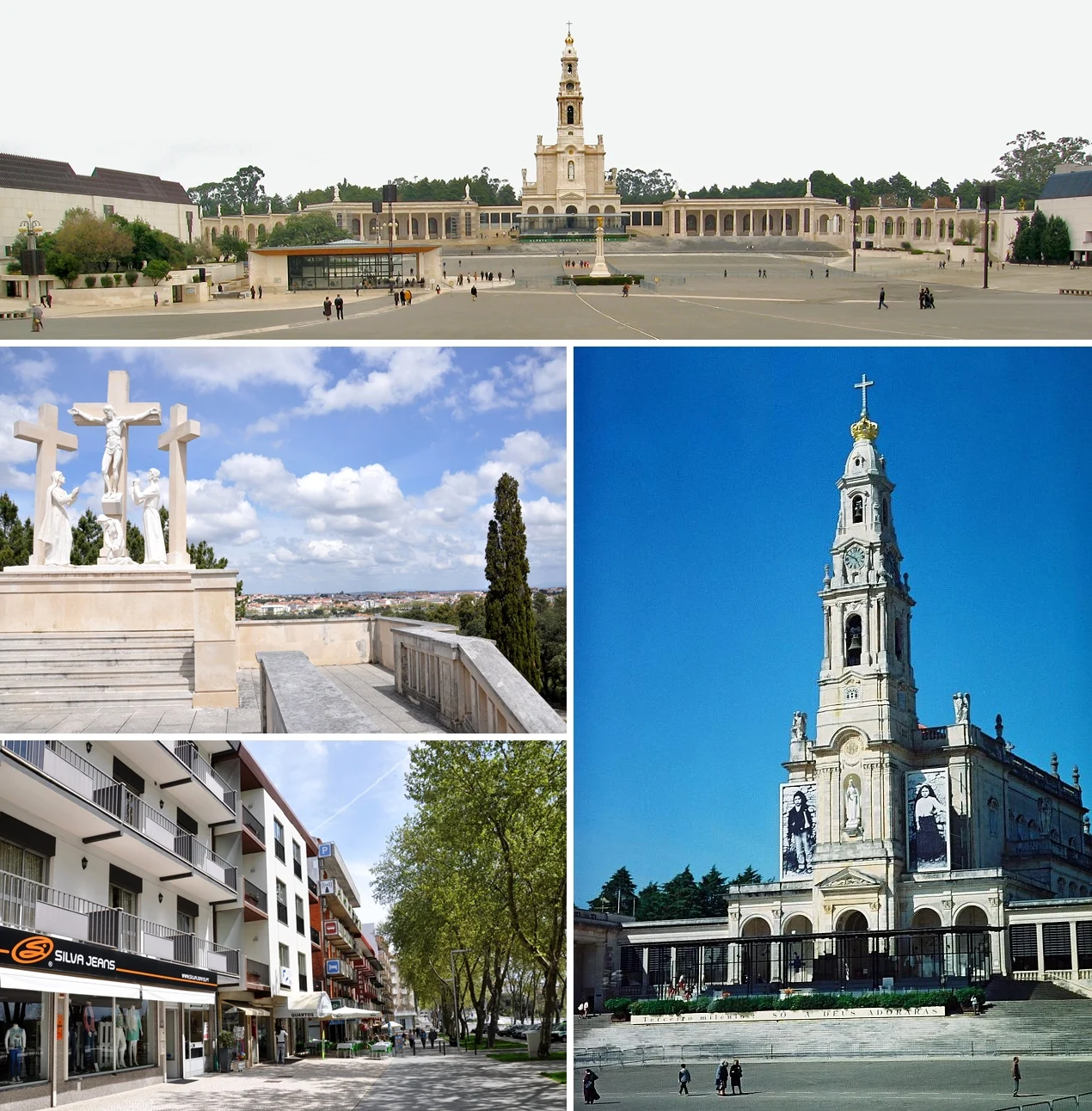
The last objective is Cova da Iria and the Santuário de Fátima.
This route was designed to offer pilgrims safer alternatives to large roads, always using pedestrian paths, rural roads and small towns as possible.
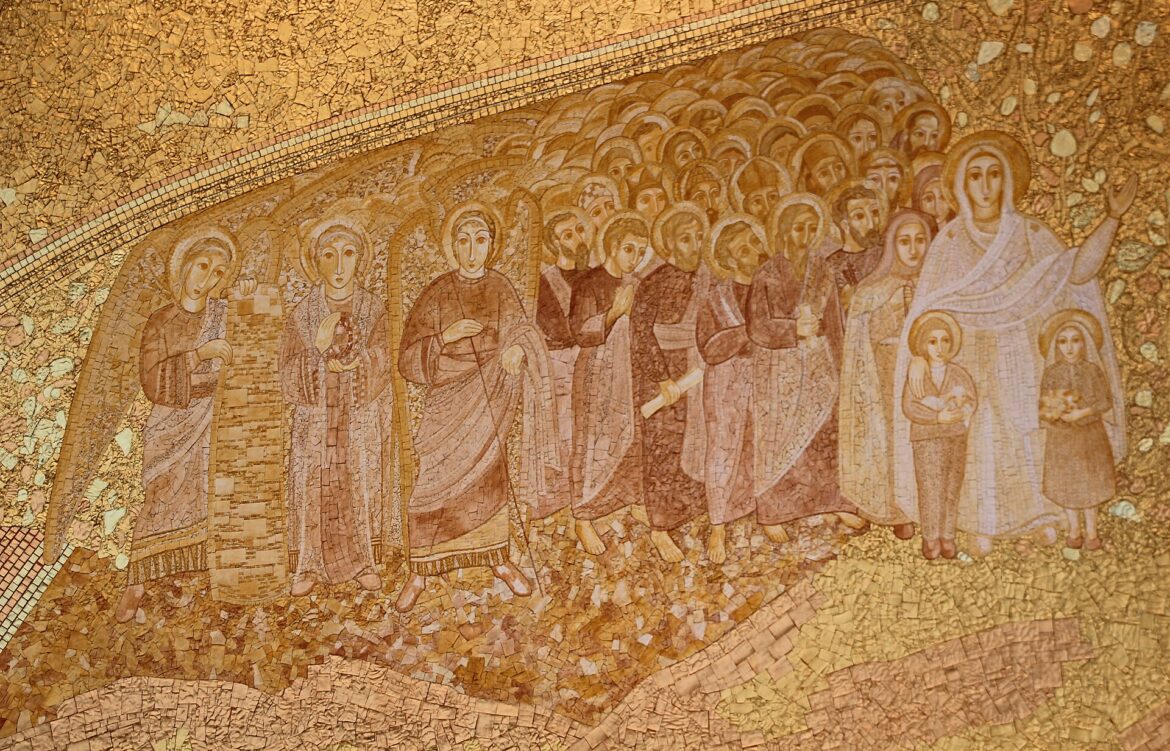
Santiago and Fátima were born from different stories
Despite the geographical links between some of the two paths, Santiago and Fátima represent very different pilgrimage traditions.
The Camino de Santiago has medieval roots and developed for centuries around the pilgrimage to the burial mound attributed to the apostle Santiago in the Compostela cathedral.
Fátima turned into a great international pilgrimage destination in the 20th century, after the Marian appearances of 1917.
Since then, the Santuário da Cova da Iria has been transformed into two of the most famous religious centers in the Catholic world.
Their stories are different.
But the gesture continues to be similar: placing a backpack on the shore and starting to walk.
Pilgrimage is not just a pilgrimage
Whoever has traveled a road for several days knows that the experience is very far from the final destination.
For hours, the pilgrim faces silence, physical effort, cold, heat, fatigue and also unexpected encounters.
Little by little, everyday life goes back.
The day began to measure in kilometers.
Finding water, eating, resting or finding a place to sleep becomes something essential.
This happens on the way to Santiago.
And I also love Fatima.
Portugal, territory of pilgrims
Portugal is not just a country of passage for Santiago to seek.
You can also access your own network of pilgrimage routes.
The Caminho do Norte ao Centro, o Caminho do Tejo, a Rota Carmelita, o Caminho da Nazaré and other itineraries allow us to reach Fátima through different Portuguese regions.
At the same time, the Caminho Português de Santiago crosses a large part of the country towards Galiza.
This overlap transforms Portugal into a particularly interesting territory for those who enjoy discovering Europe on foot.
In some places, the same rural road can tell two completely different pilgrimage stories.
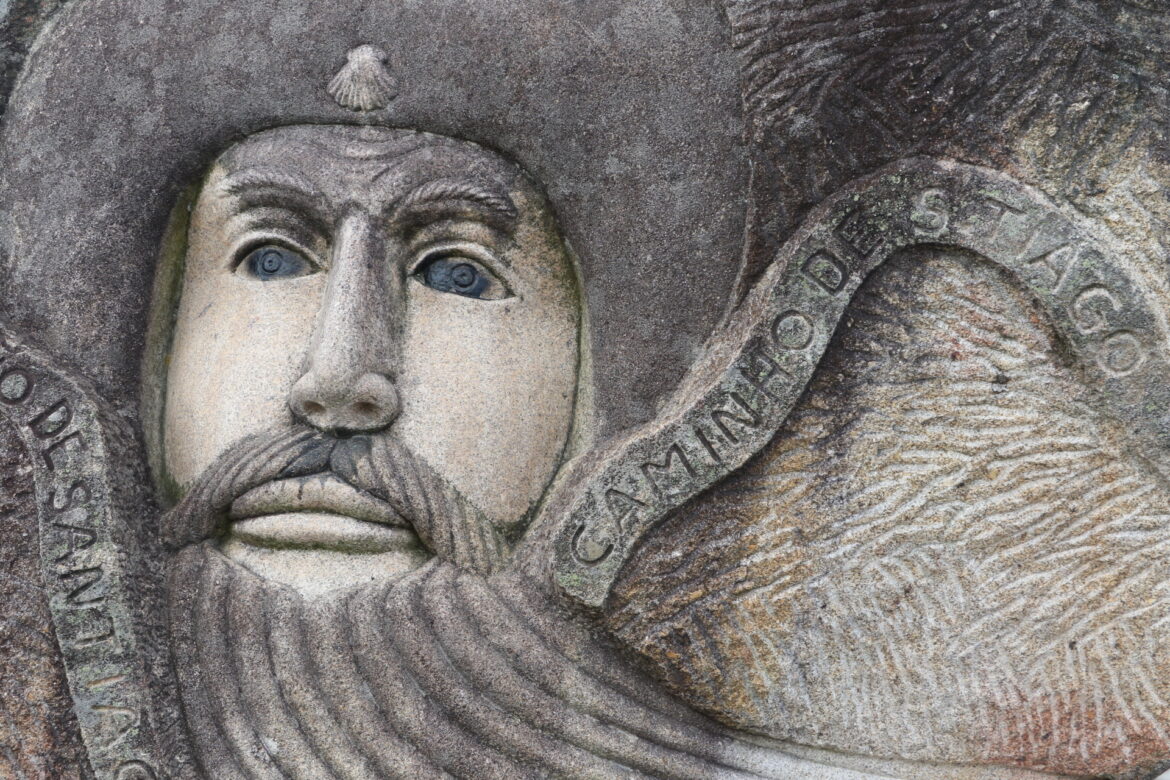
Two destinations, or the same spirit
Santiago and Fátima do not compete with each other.
There are different destinations, with different stories and pilgrims with different motivations too.
But both of them share a very old idea: abandon everyday life for a few days and go on foot to a place that has a special meaning.
Let me walk by faith.
Make sure you keep a promise.
Make sure you are quiet.
And I just want to discover what happens when you walk for several days with another immediate goal and continue.
Or destination could be Santiago.
It could be Fatima.
More often than not, a true transformation occurs long before check-in.