


The Camino Lebaniego in winter offers landscapes full of charm, but requires preparing each day with special care. Rain, cold and reduced daylight hours can change the conditions of the pilgrimage to Santo Toribio.
From the coast to the mountains
From San Vicente de la Barquera to Cades, the pilgrim discovers the Nansa Valley. Rain can cause mud and flooding: respect official closures and detours. In the second stage, through Cicera towards Cabañes, pay special attention to the slopes and the ice. The third, through Potes towards Santo Toribio, also requires planning.
Do not confuse visible snow on the summits with the actual condition of the trail. Check the weather for each section before leaving. If the conditions exceed your experience, postpone the march.
A backpack prepared for the cold
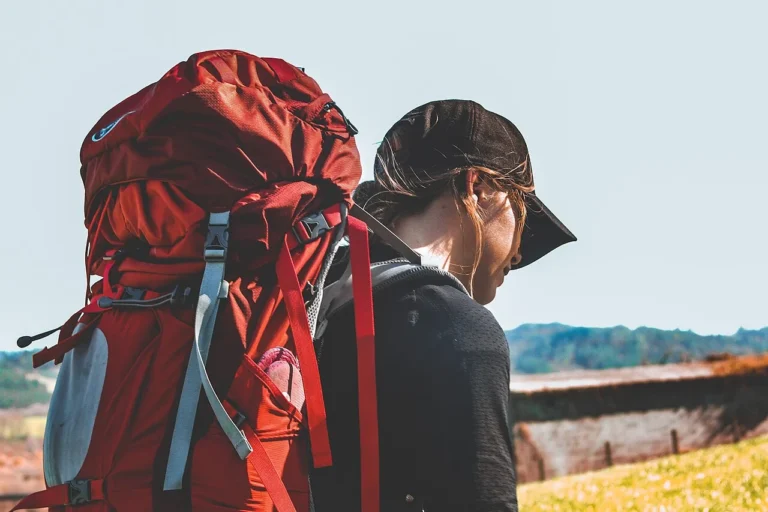
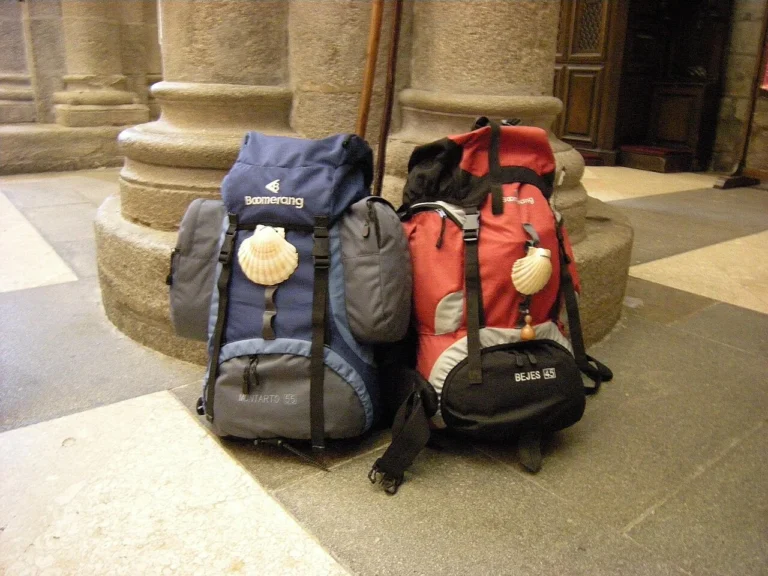
Wear layered clothing, waterproof and windproof protection, gloves, a hat and spare dry socks. Wear shoes with good grip, a headlamp, enough battery, water and food. Protects documentation and dry clothing from moisture. Poles help with balance, but do not guarantee safety on ice.
Hostels and daylight hours
Directly confirm the opening of accommodations and restaurants before each stage. Some services may close in low season. Allow enough time to arrive before nightfall, download the maps to use without coverage, and communicate your itinerary to a trusted person.
Check the notices AEMET and the official directions of the Camino. In case of emergency call 112.
Enjoy Liébana without rushing
Winter invites you to discover rural heritage and value hospitality. With the horizon of Jubilee 2028Taking care of the route throughout the year is essential. Check our Living Guide to organize your trip. It is not mandatory to complete the route in three days.
Before leaving: decisions to make at home
Prepare an alternative for each day. Identify the intermediate towns where you could stop and confirm in advance if they have accommodation or transportation. If you are traveling alone, agree with someone on an approximate arrival time and let them know when you are done. Don't rely exclusively on your phone to guide you: keep a copy of the itinerary and essential contacts.
Wet clothing can quickly cool the body during a stop. Store a dry change of clothes in a waterproof bag and change wet clothes when you can do so in a protected place. During breaks, find a space sheltered from the wind and avoid remaining still outdoors for too long. If intense shaking, confusion or difficulties coordinating movements appear, seek shelter and urgent assistance.
Before leaving the accommodation, check that you have enough water and food to get to the next confirmed service. Do not assume that a fountain will be potable or operational. Bring some cash and the telephone numbers of the establishments where you plan to sleep.
If you find a flooded pass, do not try to cross it. Don't improvise shortcuts on narrow roads or unfamiliar terrain either. Return to a safe location and consult authorized alternatives. The planned itinerary must be adapted to the circumstances, not the other way around.
Reserve time to visit the towns and monuments when your schedules allow. Confirm visits before traveling, especially in low season. A shorter day can be an opportunity to get to know the local heritage better and rest before the next leg.
These recommendations apply to general winter planning: they do not certify the opening of any lodge or the status of any trail on a given date.
The best pilgrimage is one that allows you to enjoy the Camino and return safely.
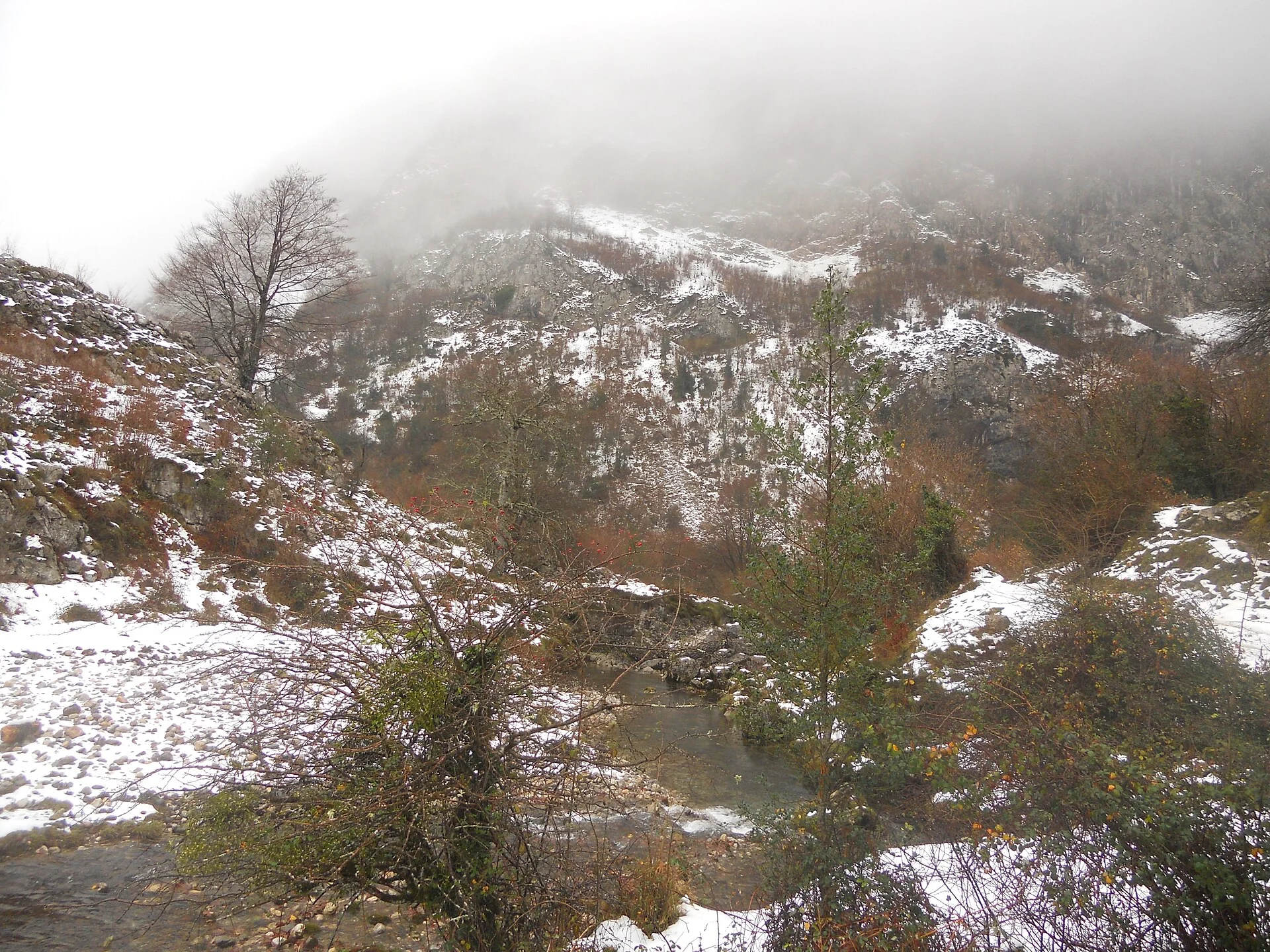
Illustrative photograph of snow in Ceremal, Picos de Europa: McBodes, CC BY 3.0, Wikimedia Commons. It does not represent the current state of the route.
Sources and resources: Viva RTV Guide, AEMET and 112. General recommendations, not current weather warning.
Cover photo: McBodes · CC BY 3.0 · Wikimedia Commons