A practical guide to choosing the Camino backpack, distributing the weight and carrying only what is essential, with recommendations from pilgrims.
The backpack that truly accompanies you
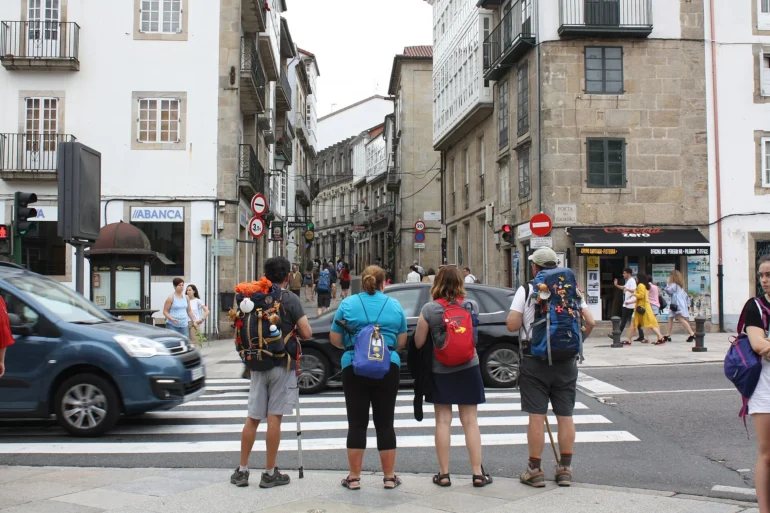
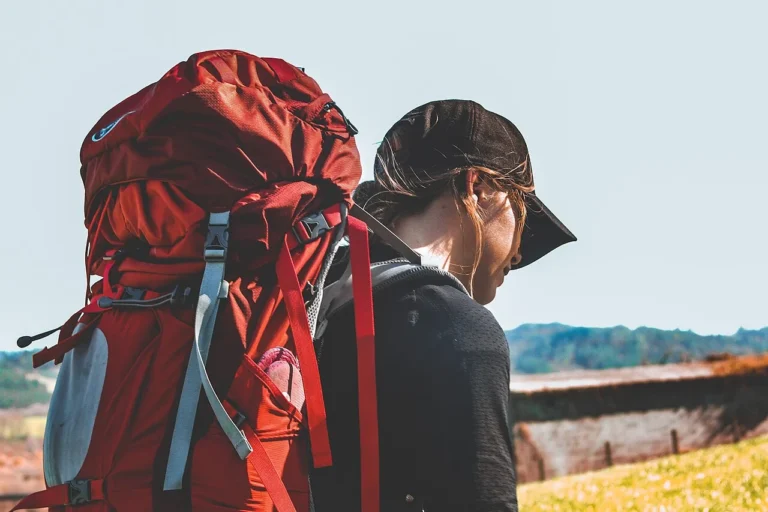
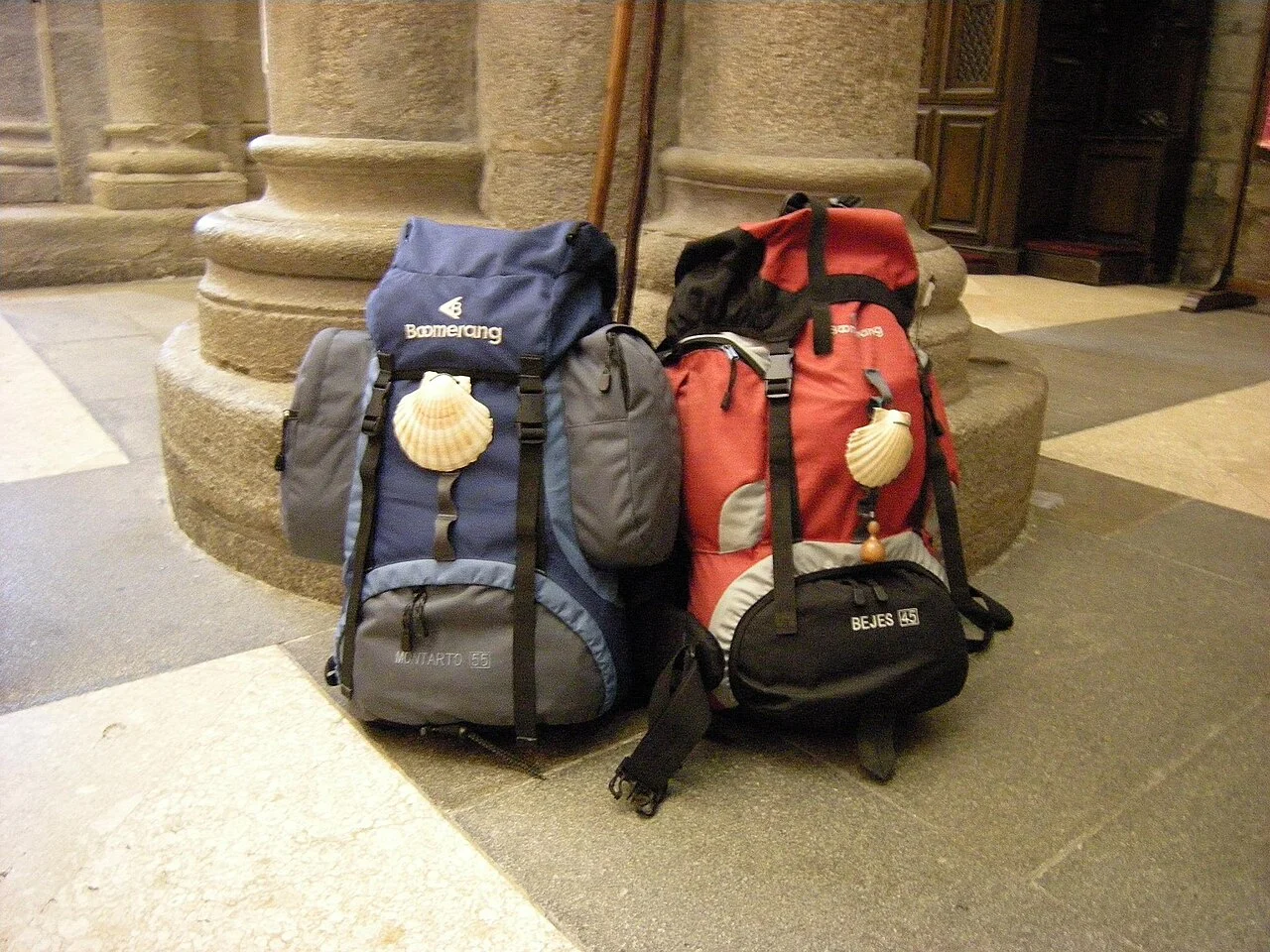
Preparing the Camino does not consist of filling a backpack with objects "just in case." It consists of choosing what you are going to use, checking that it fits without forcing the zippers and learning to walk with it. A light backpack makes it easier to climb, descend, maintain balance and reach the end of the stage with energy. The appropriate capacity depends on the season, the days of travel, the weather and whether you are going to carry all your luggage with you or use a luggage transport service.
Weight: the first decision
The usual recommendations of the Jacobean and Santiago Tourism associations place the reference around 10% of body weight, without making it a universal medical rule. If the backpack forces you to slouch, makes you lose stability or causes persistent discomfort, it is worth checking the load. Also count water, food and accessories: weighing an empty backpack is not useful to know how much you will carry during a real stage.
What clothes deserve their space
It is preferable to wear a few clothes that dry quickly and can be combined. Two or three T-shirts, underwear and spare socks, a suitable warm layer, a waterproof garment and clothes for lounging usually solve many situations, always adapting the selection to the time of year. The shoe must have been tested on long walks; Wearing it for the first time on departure day increases the risk of chafing. It is also a good idea to check the condition of the soles and the comfort of the socks.
Documentation, water and small essentials
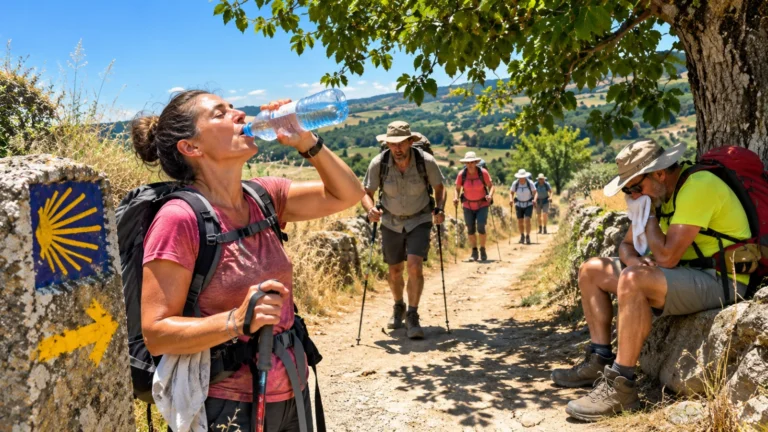
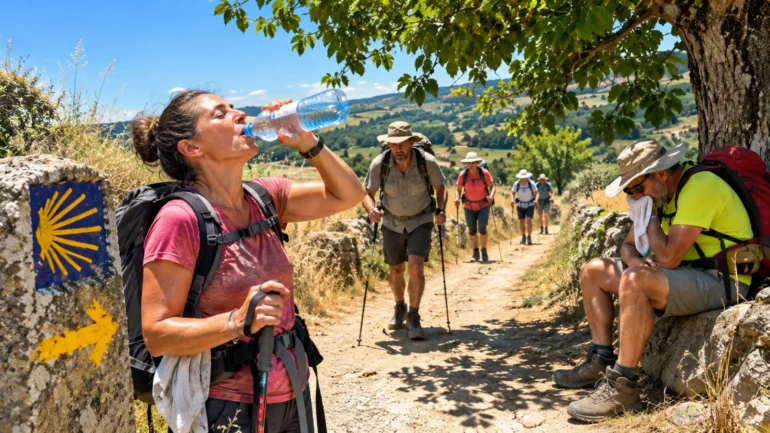
Bring your identification document, health card or corresponding insurance, pilgrim credential, telephone, charger and any medication you need. A small first aid kit with chafing care and treatment products can be useful; Consult healthcare professionals for any particular medical needs. Sun protection, a hat, and a hydration bottle or system are important even on cool days. Before each stage check the availability of fountains and stores, because not all of them operate throughout the year.
How to distribute the content
Place the heaviest items close to your back and about halfway up, depending on the shape of the backpack. Leave your raincoat, water and whatever you need on the go, and protect your documentation and dry clothes from the rain. Adjust the hip belt and shoulder straps without compressing too much. Walk a few kilometers with a full backpack before the trip: this test allows you to detect poorly adjusted straps and useless objects.
What is often forgotten
A wet laundry bag, earplugs, and a small waste bag may be more useful than a third pair of pants. Avoid hanging objects that hit your legs or get caught in vegetation. Review the forecast for each stage and do not bring technical material that you do not know how to use. The best backpack is not the most expensive: it is the one that fits well on your back, contains what you need and allows you to continue walking comfortably.
Quick checklist before leaving
Spread everything you plan to carry on a bed and separate the objects by usefulness: essential, useful and dispensable. Check for duplicate items and ask what would really happen if each one were missing. Check the final weight with the water and rain material. A trial run on slopes and stairs reveals the fit of the backpack better than a five-minute walk around the house.
If you share a ride, it is not necessary to duplicate all the accessories that can be used safely between multiple people. The important thing is that each walker keeps their documentation, water, shelter and medication for personal use.
Sources: Santiago tourism, clothing and luggage; Spanish Federation of Associations of Friends of the Camino, backpack.