Practical tips for organizing stages, taking care of your feet, managing the heat, finding accommodation and enjoying the Camino de Santiago.
No need to run
The Camino is not more enjoyable by walking faster or by accumulating long stages. Choose a route compatible with your physical preparation and the time available. Check the gradient and the surface, not just the distance: twenty kilometers of comfortable trails are not equivalent to twenty kilometers of climbing on rocky trails. Leave room to rest, eat calmly and visit the towns.
Preparation before leaving
Walk several times a week and gradually increase the distance. Rehearse with the sneakers or boots and the backpack that you will actually carry. If you have any health limitations, it is advisable to discuss with a professional the type of effort you are going to make. Check the insurance coverage, the necessary documentation and the options to return or shorten a stage if necessary. Planning also includes knowing what services operate during the off-season.
Daily foot care
Humidity and chafing can turn a simple day into a problem. Wear appropriate socks, check that the footwear does not compress the toes and stop if a friction area appears. Changing out of wet socks and keeping your skin clean and dry helps prevent discomfort. If significant wounds, signs of infection, or pain appear that makes it difficult to walk, it is preferable to seek medical attention rather than continue out of obligation.
Water, sun, cold and rain
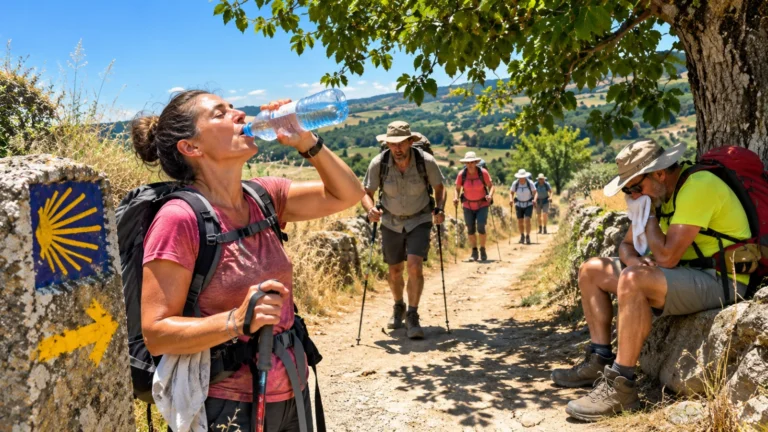
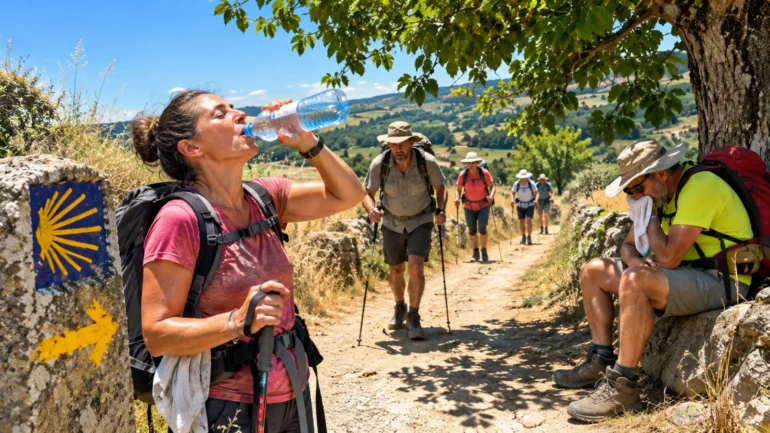
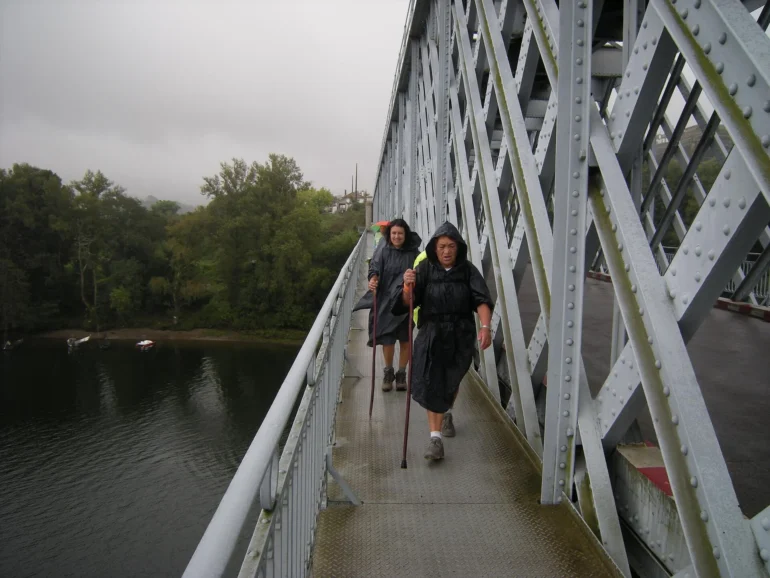
Check the weather forecast before each outing. In summer it is advisable to get up early and avoid the central part of the day when the heat is intense. In mountain areas, weather changes can be rapid even outside of winter. Bring enough water, protection from the sun and an appropriate waterproof layer. Don't assume that all fountains are potable or that there are bars open in small towns.
Hostels, coexistence and respect
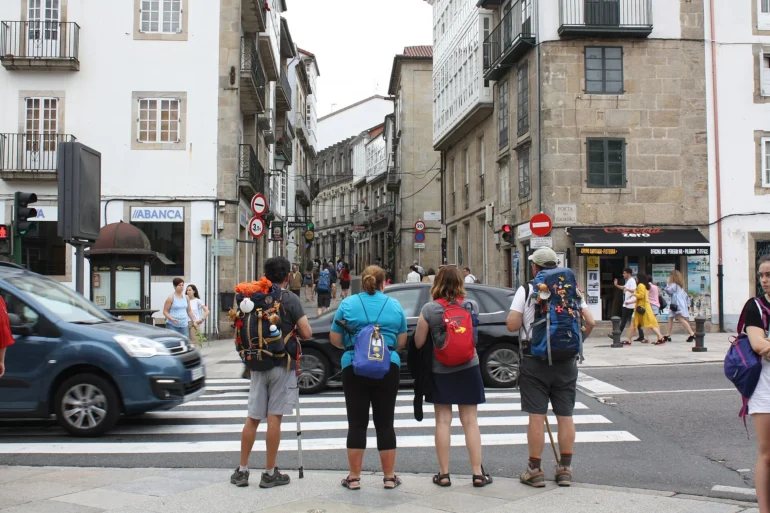
Confirm the opening of accommodations when traveling out of season, especially in small towns. In hostels, respect rest hours, organize your backpack without making noise and leave shared areas clean. Do not block doors or hallways with luggage. In towns and cities, respect neighborhood rest, private properties, monuments and the instructions of those responsible for each space.
Guidance and small unforeseen events
Follow official signage and carry a downloaded map for areas with poor coverage. Avoid improvised shortcuts, especially on roads and mountain terrain. Tell someone your destination when you leave for an isolated section. If a storm, injury or fatigue makes it advisable to stop, adapt the plan: the itinerary can wait. In the event of an emergency in Spain, call 112.
What to keep under control at the end of the day
When you arrive at your accommodation, spend a few minutes checking the condition of your feet, drinking water and preparing for the next stage. Charge your phone, check the forecast and check the route to the first place where you can get water or food. If you book accommodation, confirm the correct address: in the same municipality there may be several hostels with similar names. Don't leave decisions until the morning that you can calmly resolve in the afternoon.
Save a little budget for alternative transportation or an extra night's rest, if possible. Although many people complete their planning without problems, weather events or physical discomfort may force the program to be changed. Adapting does not mean failing: it allows you to continue enjoying the Camino responsibly.
Sources: ONCE Foundation, prepare your experience; Spain.info, Camino de Santiago; Federation of Associations, equipment.