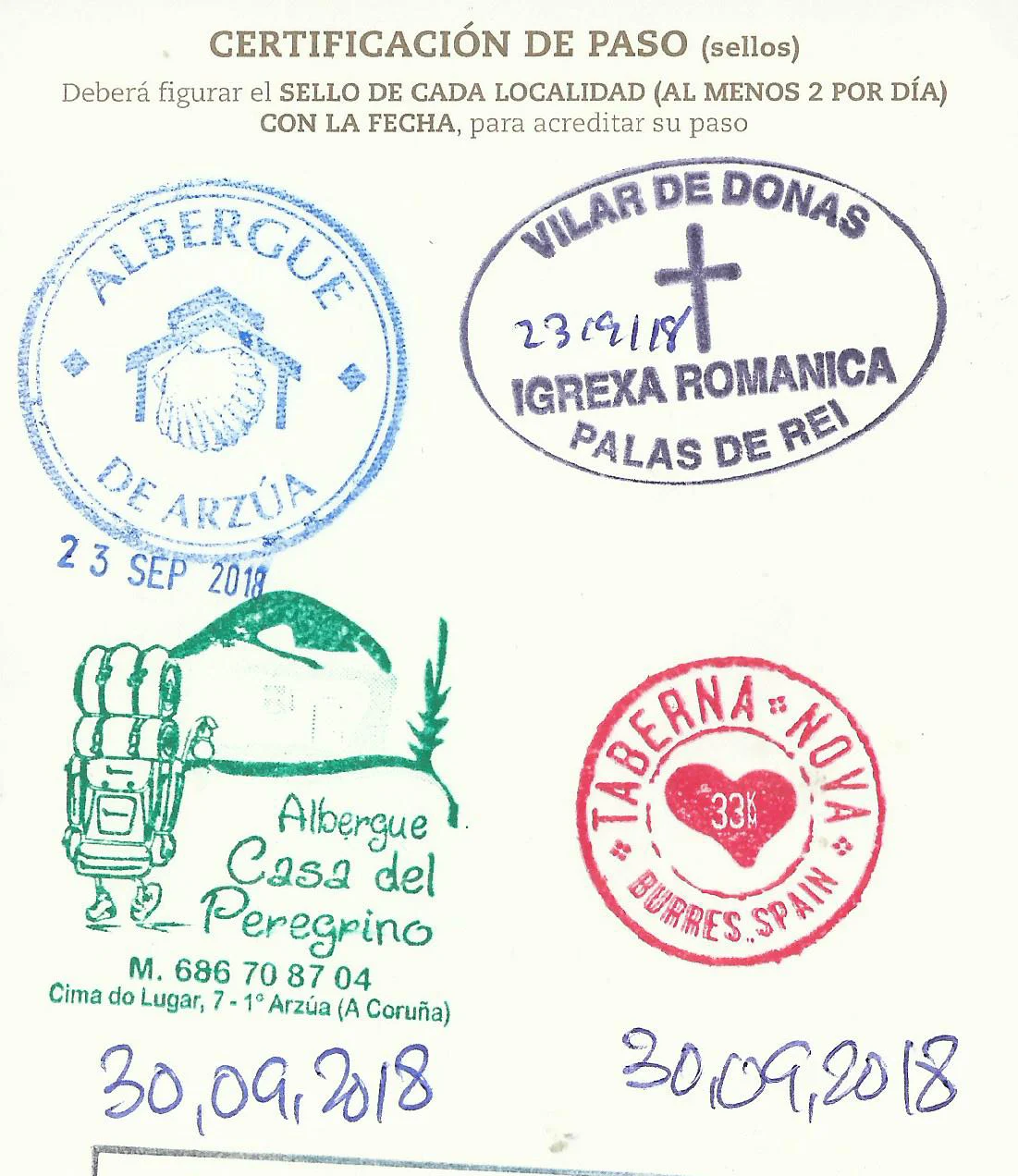
Clear explanation of the pilgrim's credential, the stamps and the official requirements to request the Compostela in Santiago.
Two documents that are not the same
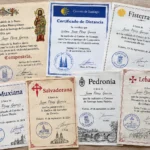
The pilgrim's credential is the document in which stamps and dates are collected during the Camino. The Compostela is the certificate issued by the Cathedral of Santiago to those who certify a pilgrimage with the conditions established by the Pilgrim's Office. One is used during the tour; the other is requested upon arrival. This difference avoids many confusions for those preparing their first pilgrimage.
Where to get the credential
It can be obtained at the Pilgrim Welcome Office and at entities authorized by the Cathedral of Santiago, such as certain Friends of the Camino associations, parishes or shelters. It is advisable to buy it at one of those recognized points and not consider any notebook or commercial souvenir as valid. It is a personal document, so the data and dates must be preserved without alterations.
When and how to seal it
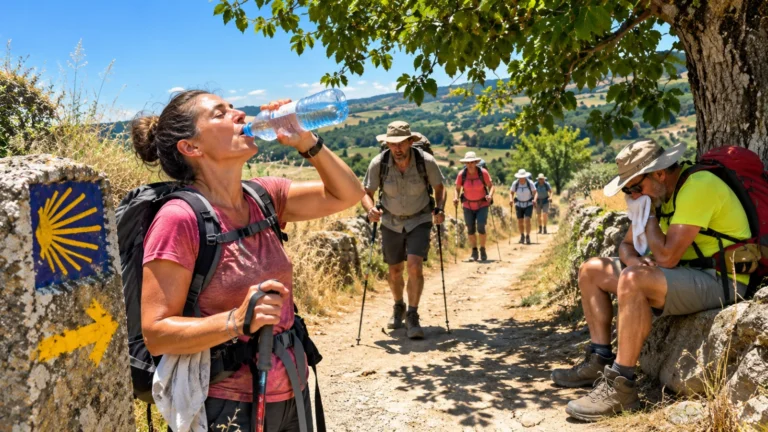
The stamps record the passage through the different stages. They can come from establishments and entities linked to the Camino, such as accommodations, churches and other points that offer this service. For Compostela, the Pilgrim's Office indicates that at least two stamps must be collected daily during the last 100 kilometers on foot or on horseback, or the last 200 kilometers by bicycle. It is advisable to write the date next to each stamp and keep the credential in a place protected from rain.
Current Compostela requirements
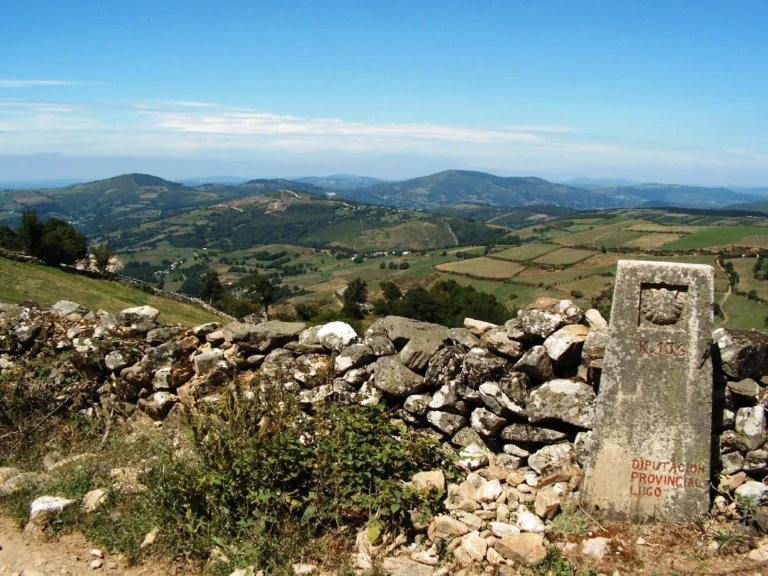
The Pilgrim Reception Office establishes a minimum of 100 continuous kilometers in the direction of Santiago on foot or on horseback, or 200 kilometers by bicycle, within one of the recognized itineraries. In addition to the accredited route, the Compostela has a religious or spiritual meaning in accordance with the criteria of the Cathedral. It is not enough to accumulate kilometers of different routes without continuity, nor to present only a photograph of the stamps. Consult the current official formulation before choosing your starting point.
What to do when you arrive in Santiago
The Pilgrim's Office provides information on prior registration and the collection procedure. It is advisable to check their official site shortly before arriving, because the organization of shifts and services may change. Bring the complete credential and the documentation requested. Anyone who does not meet the Compostela conditions can find out about other certificates available, such as the distance certificate, which has a different purpose.
First Pilgrimage FAQ
Can you get a Compostela without walking from Roncesvalles or Saint-Jean-Pied-de-Port? Yes: what is relevant are the distance, continuity, itinerary and motivation requirements established by the Cathedral. Is it useful to seal only at the beginning and at the end? Not for those who complete the minimum required stretch, because the intermediate stamps accredit the journey. Do I always have to carry the credential? It is highly recommended throughout the route, both to seal and to access services that may request it.
How to avoid problems with seals
Try to seal each day while you walk, and not leave this task until you arrive in Santiago. Keep the date and place name legible, especially if the seal has been stamped over another mark. If you travel by bicycle, remember that the minimum distance required is different from that of the pilgrimage on foot. Store the credential in a waterproof case or pocket; A damaged page can make the tour difficult to read.
There is no single mandatory starting point for all pilgrims. The essential thing is to choose the Camino and the section that you are really going to do and confirm in advance that they meet the current official conditions. It is also advisable to find out about possible particularities if you are traveling in an organized group or if you need accessibility.
Sources: Pilgrim's Office, the credential; Pilgrim's Office, Compostela; Pilgrim's Office, frequently asked questions.