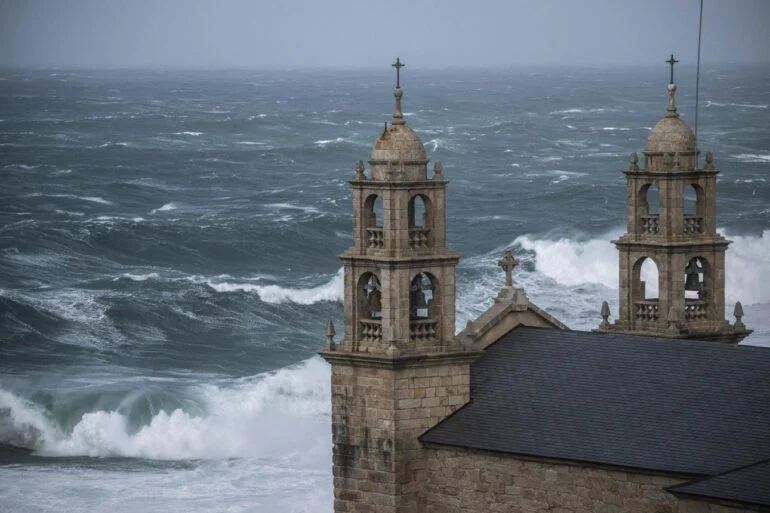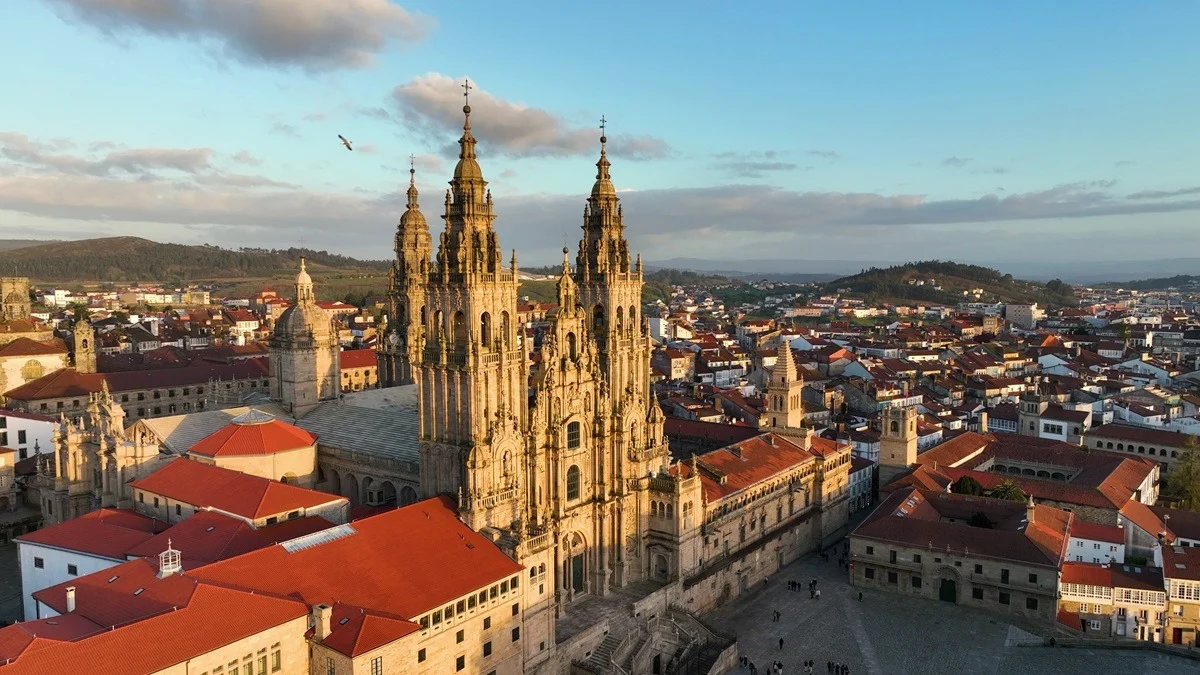


The Camino del Norte is one of the most spectacular and demanding Jacobean routes. For more than 800 kilometers, pilgrims travel along the Cantabrian coast from Irún to Santiago de Compostela, crossing the Basque Country, Cantabria, Asturias and Galicia. Landscapes of sea, mountains and green meadows accompany those who choose this itinerary, considered by many to be one of the most beautiful in the entire Jacobean network.
A Camino with more than a thousand years of history
The origin of the Camino del Norte dates back to the first centuries of the pilgrimage to Santiago. During the Middle Ages, many pilgrims from Europe preferred this route because the interior of the peninsula was occupied by unstable or conflict territories. The coast offered greater security and a network of monasteries and hospitals that made travel easier.
As time went by, the Camino Frances gained prominence, but the Camino del Norte never disappeared. Today it once again attracts thousands of pilgrims looking for a quieter experience in contact with nature.
A tough but unforgettable journey
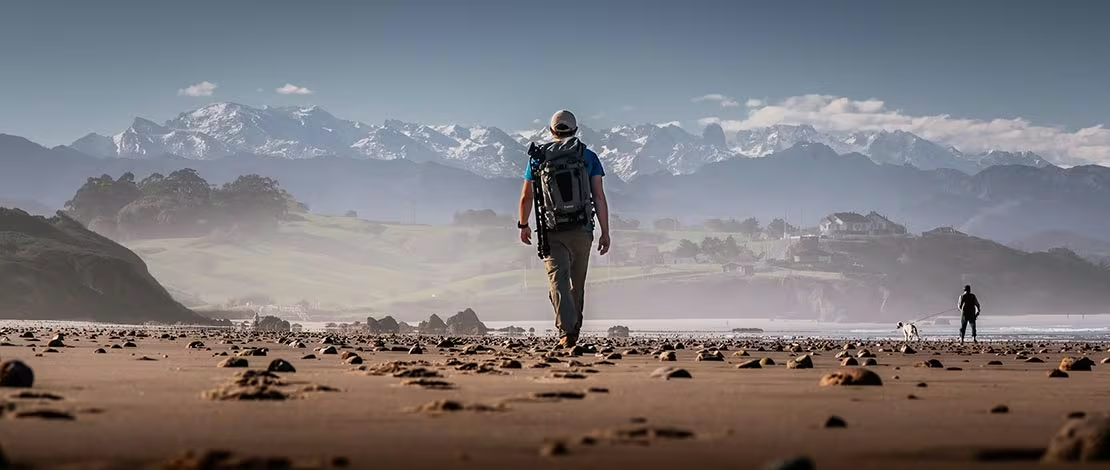
The Camino del Norte is known for its toughness. The stages include constant ups and downs, and the terrain requires good physical preparation. Unlike other flatter routes, here the pilgrim faces continuous slopes and frequent changes in weather.
However, the effort is rewarded. The views of the Cantabrian Sea, the forests, the fishing villages and the beaches turn each stage into a unique experience. Many pilgrims highlight that this route offers a feeling of freedom that is difficult to find on other busier paths.
Cities and emblematic places
Along the route, the Camino del Norte passes through some of the most interesting cities in northern Spain. San Sebastián, Bilbao, Santander, Gijón or Ribadeo are just some examples of places where pilgrims can discover heritage, gastronomy and culture.
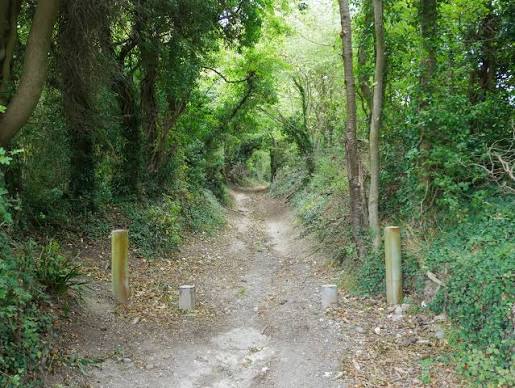
But beyond the cities, it is the small towns and trails that leave their mark. Rural churches, medieval bridges and old pilgrim hospitals remind us of the long history of this route.
An alternative for those looking for peace and quiet
One of the greatest attractions of the Camino del Norte is the lower influx of pilgrims compared to the Camino Frances. This allows you to walk for long stretches in silence, enjoy the landscape without rushing and experience the Camino in a more intimate way.
The hostels are usually smaller and the atmosphere is quieter, which favors coexistence and contact between pilgrims.
The union with the Primitive Way
In Galicia, many pilgrims decide to detour towards the Camino Primitivo from the town of Villalba or continue to Ribadeo to follow the main route. Both options finally lead to Santiago, completing a demanding but deeply enriching journey.
A path that leaves a mark
The Camino del Norte is not the easiest or the fastest, but it is one of the most authentic. It is a route for those looking for something more than just getting to Santiago: they are looking for the journey, the landscape and the silence.
Every year more pilgrims discover this Atlantic route, and many agree on the same thing when they arrive in Compostela: the Camino del Norte is not only walked, it is remembered for a lifetime.