



A more inclusive Camino de Santiago: Thirty local action groups from all over the country, spread across four Autonomous Communities, through which the Camino de Santiago from the south of Spain until you reach Galicia, have joined forces in a project in which they participate to create a management, monitoring and virtual communication system that improves the experience of pilgrims who travel this so-called Vía de la Plata-Camino Mozárabe.
The name of the project is SEMTAYR and it is one of the three of national magnitude approved by the Ministry of Industry, Commerce and Tourism in relation to the Jacobean Paths and within the Recovery, Transformation and Resilience Plan. This initiative is financed by European funds and in the case of the work carried out from ASPAR La Besana means joining forces with the Northeast local action group, which is based in Valduncial Causeway, and which contributes 37,000 euros to this project.
The participants of ASPAR La Besana They carry out work that includes supervision of the section of the road that runs through their territory so that they can carry out a diagnosis to add it to the APP that will be carried out to improve the experience of future tourists who pass through it by contributing their knowledge from rural areas. In the case of Northeast One of the challenges that will be addressed is the revitalization and awareness of the local population about what this route means for the municipalities, as well as a commitment to supporting tourist routes that have an inclusive and accessible nature.
They are integrated into the project as technicians, educators and users of ASPAR La Besana. The analysis is carried out in different work days and includes 37 kilometers, in stages that go through: Aldeaseca de Armuña, Castellanos de Villiquera, Calzada de Valdunciel, Topas, Valdelosa and even the Zamoran town of The Wine Bucket.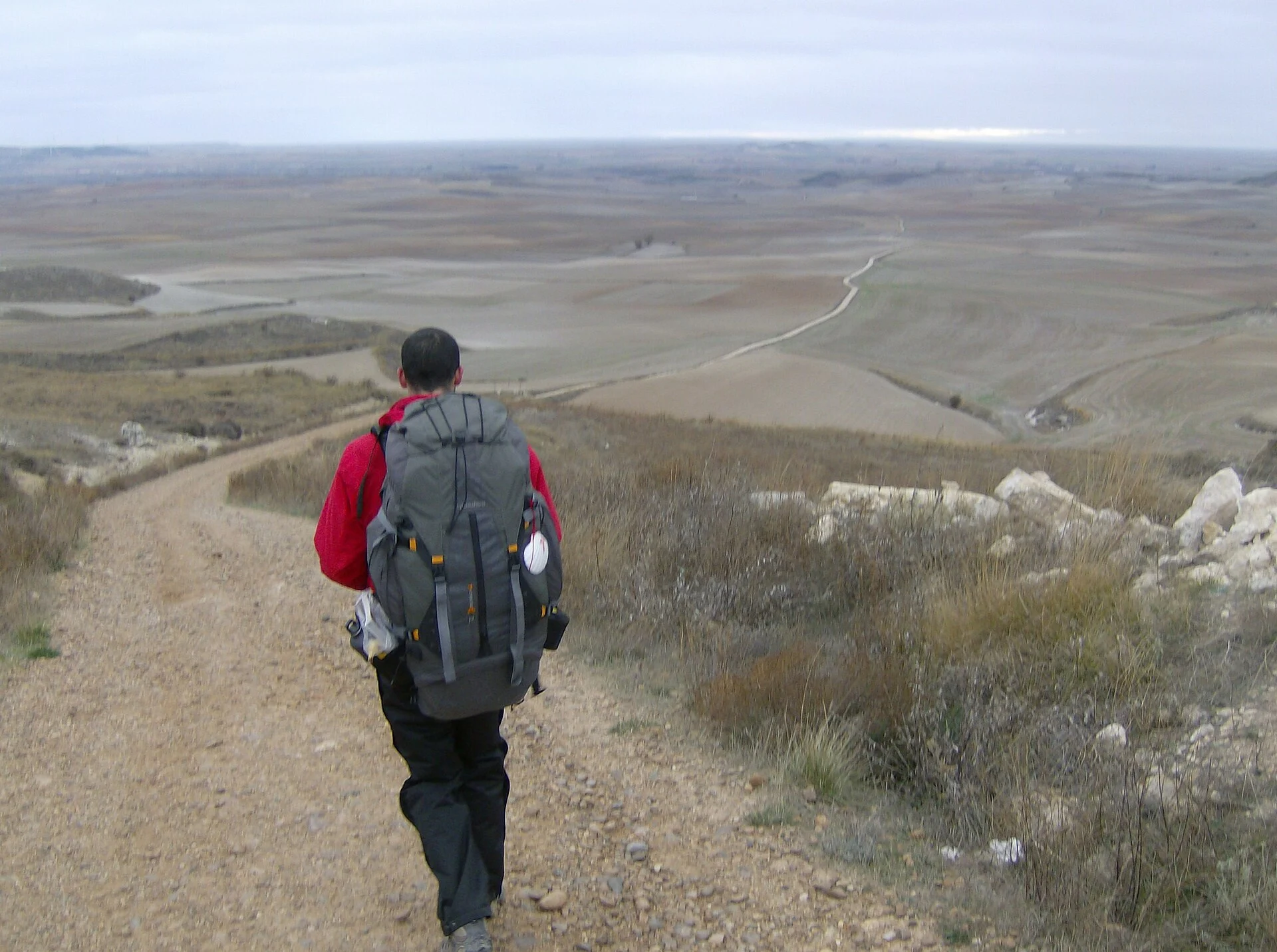
The walkers of ASPAR La Besana They will carry out a diagnosis of the resources available on the route, which will include everything from where to eat or sleep, to other facets such as transportation and health, as well as the accessibility of each section and proposals for corrective measures if necessary.
The review is carried out both with pilgrims who make the journey on foot and by bicycle and will include a point of stamping the credentials of the walkers, both in the Town halls as in ASPAR La Besana. This contribution will be added to those made by the association of Friends of the Camino de Santiago and the 280 municipalities through which the route passes. It is estimated that every year between 5,000 and 7,000 people carry out this route.
FOUNTAIN: THE SALAMANCA GAZETTE

















