



The increase in pilgrims and vulnerable people reopens the debate on accommodation models
In recent years, the constant growth in the number of pilgrims on the Camino de Santiago and the increase in people in vulnerable situations have put on the table a conversation that is increasingly louder: are municipal or private shelters better?
It is not a simple question. Anyone who has done the Camino knows that both are part of the experience, but also that the differences between them can completely change a stage… or even the entire trip.
- English Way passes 30,000 pilgrims
- Luján promotes religious tourism
- The sign that baffles pilgrims
- Your debate or future of the Portuguese Road
- Joy returns to the Camino accompanied
Two different models with the same objective
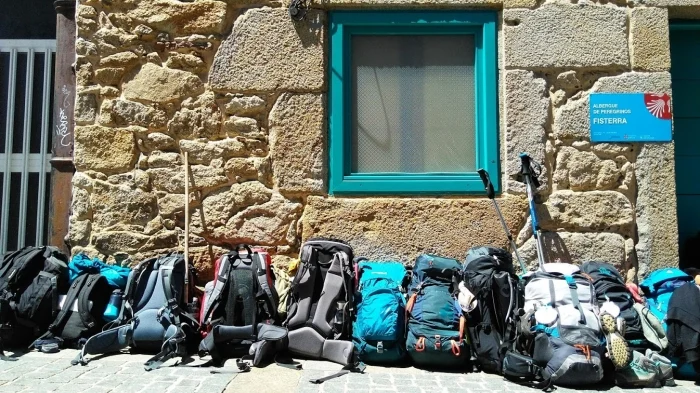
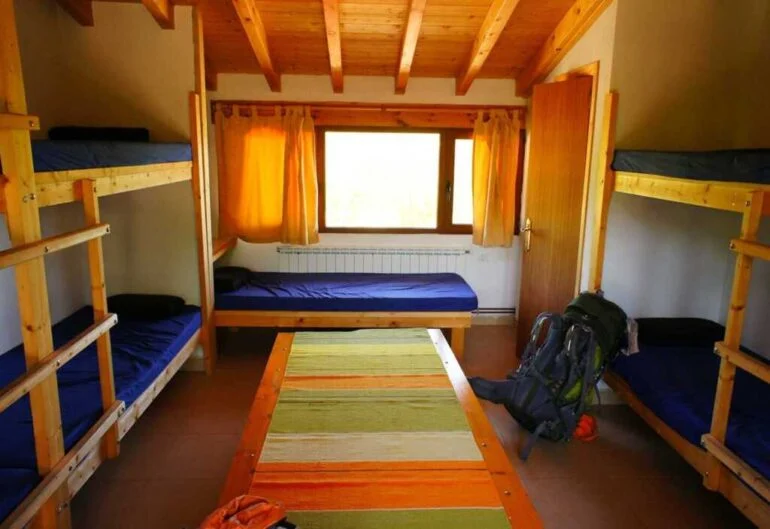
The municipal shelters They are usually the most economical and accessible option. They are designed to offer a place to rest without putting up barriers. In many cases they operate on a first-come, first-served basis, with symbolic prices or donations, and with a very authentic atmosphere where more than a bed is shared: stories, tiredness and camaraderie.
However, they also have their limitations. In high season it is common to find them complete before noon, and the facilities, although functional, are not always in the best condition.
On the other hand, the private hostels have been gaining prominence in recent years. Many offer more comfort: more well-kept rooms, less noise, extra services such as laundry, organized dinners or even relaxation spaces.
Of course, everything has a price. They are more expensive and, in some cases, the atmosphere is less “pilgrim” and closer to conventional tourist accommodation.
The pilgrim experience: between the authentic and the comfortable
This is where the real debate comes in. There are those who defend that sleeping in a municipal hostel is an essential part of the Camino, a way of living the experience in a purer way. Others, however, prioritize rest and choose private options to better regain strength.
The truth is that there is no single valid answer. Many pilgrims combine both types along their route, seeking a balance between budget, rest and experiences.
A system that needs balance
Beyond personal experience, there is also a social reality. Municipal shelters play an important role as an accessible support network, while private shelters help expand supply and alleviate saturation at key times.
The challenge is to maintain that balance without losing the essence of the Camino: hospitality, respect and community.
Because in the end, it doesn't matter where you sleep... the important thing is what you experience between stages.

















