



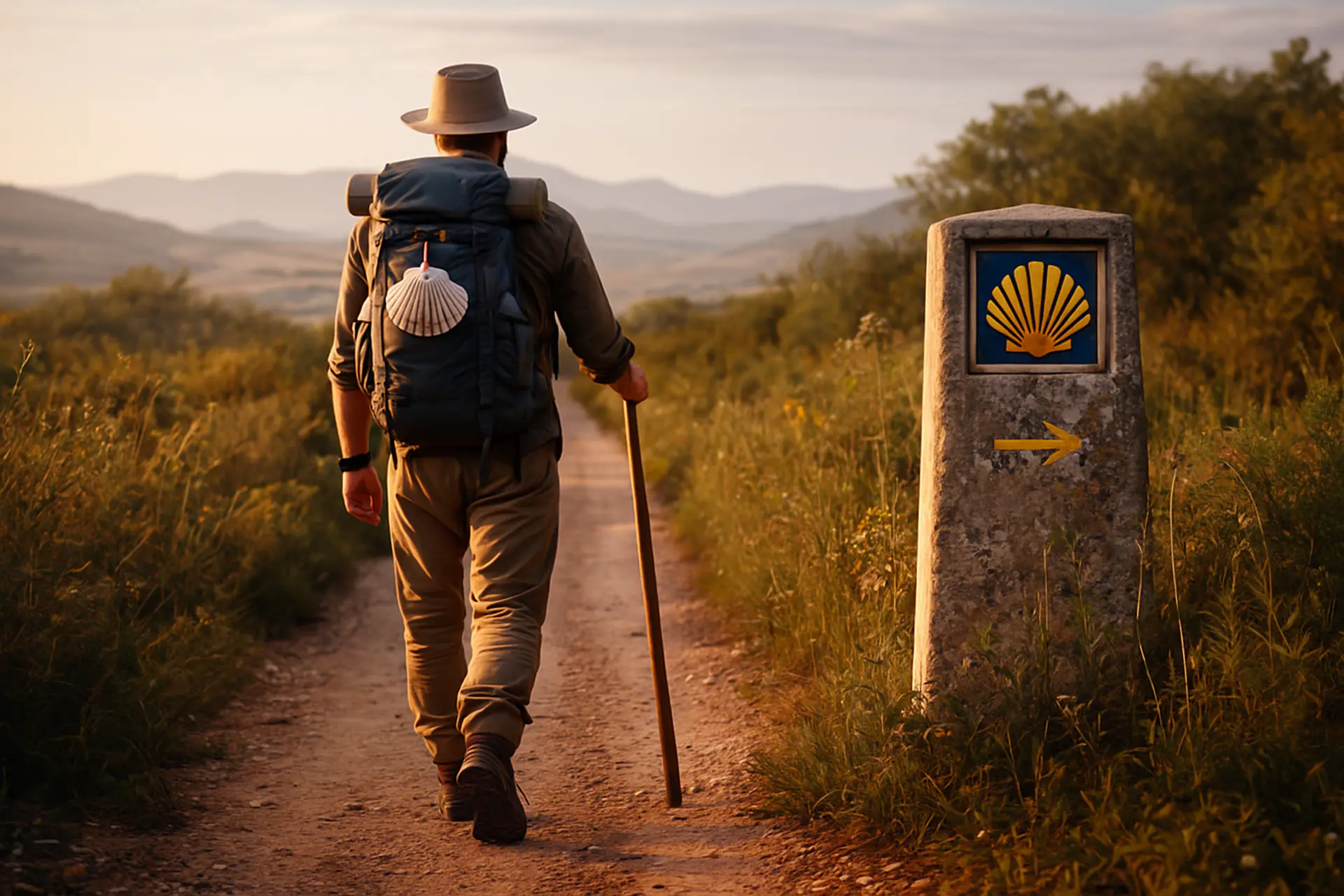
Why crying when you return home is the most normal thing in the world: the empty pilgrim syndrome
The so-called “post-Camino depression” affects many pilgrims after arriving in Santiago and facing their daily routine again.
Arriving in Santiago de Compostela is one of the most intense moments that a pilgrim can experience. Emotion, pride, tears, hugs... everything culminates in the Plaza del Obradoiro. But there is a part of the Camino de Santiago that almost no one talks about: the day after.
Many pilgrims experience what is known as “post-Camino depression”, a feeling of emotional emptiness that appears when returning home and facing routine again. Going from the absolute freedom of walking every day to a schedule, responsibilities and obligations can generate a shock that is difficult to manage.
The contrast between the Camino and real life
During the Camino, life becomes simpler. Walk, eat, rest. There is no mental noise, no unnecessary rush. Everything makes sense in its simplicity. Every day has a clear purpose.
However, upon returning home, that clarity disappears. Worries return, the pace quickens and the feeling of freedom fades. It is at that moment when many pilgrims feel sadness, nostalgia and even the need to cry without knowing very well why.
And most importantly: it is completely normal.
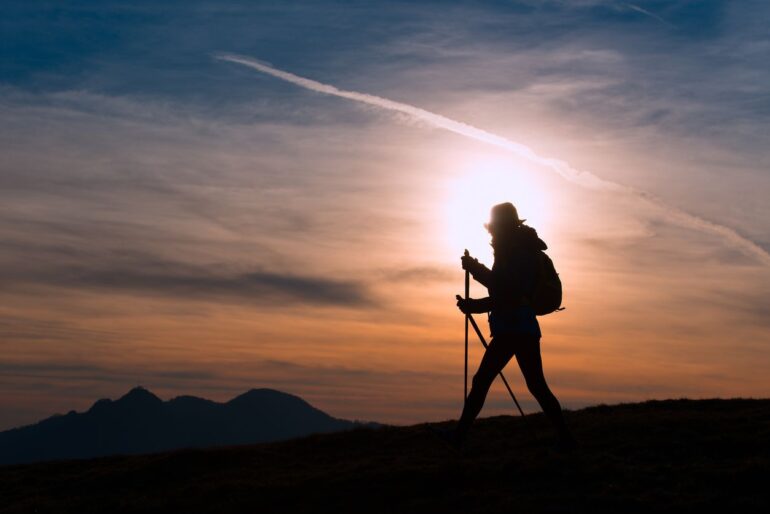
The “empty pilgrim syndrome”
This phenomenon is not a weakness, but a natural consequence of having lived an intense and transformative experience. The so-called “empty pilgrim syndrome” appears when the body returns, but the mind and heart continue on the Camino.
We miss the simplicity, the spontaneous conversations, the landscapes, the silence... even the physical fatigue. Because on the Camino everything makes sense, while in everyday life everything often seems more complex.
How to face the return after the Camino
Overcoming this sensation does not mean forgetting it, but integrating it. The Camino does not end in Santiago, it continues in the way you decide to live afterwards.
Many pilgrims find help in small changes: walking more, reducing the pace of life, maintaining contact with other pilgrims or even planning a new Camino. It is also important to give yourself time and not demand that you “get back to normal” right away.
Accepting that sadness as part of the process is key. It means that the Camino has left its mark.
The Camino does not end, it transforms
Far from being something negative, post-Camino depression is a sign that the experience has been authentic. Not all trips generate that impact.
The real challenge is not to avoid that void, but to understand it. Because deep down, it's not sadness... it's transformation.
The Camino de Santiago does not end when you arrive. It ends when you stop feeling it. And that, for many pilgrims, never happens.

















