



An exciting solidarity initiative will take two twins from Teruel to Santiago de Compostela
The Camino de Santiago will once again demonstrate in 2026 that it remains much more than a pilgrimage route.
It is also a place where stories happen that can move anyone.
Two 14-year-old twin boys from Teruel will be able to fulfill their dream of making a pilgrimage to Santiago thanks to the supportive help of a family from A Mariña, Lugo, who has decided to accompany them and make possible an experience that seemed almost impossible due to the illness they suffer from.
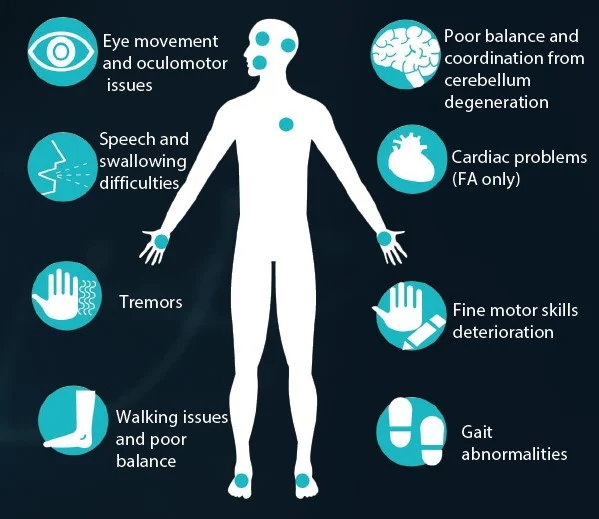
The minors suffer from ataxias, a degenerative neurological disease that seriously affects mobility and prevents them from walking normally. Even so, his enthusiasm for experiencing the Camino de Santiago remained intact.
And precisely there solidarity appeared.
The initiative has greatly excited within the Jacobean world because it reflects one of the great essences of the Camino:
the selfless help between people who often did not even know each other before.
The Camino as an experience of improvement
The pilgrimage will be possible thanks to the support of a family of To Mariña who decided to get personally involved to help the children live this experience adapted to their needs.
Although the disease greatly limits their mobility, the objective is for the minors to be able to feel the atmosphere of the Camino, live with pilgrims and finally reach Santiago de Compostela.
Stories like this are becoming one of the great symbols of the modern Camino.
Because today the Camino no longer represents only religion or historical tradition.
It also means:
improvement,
inclusion,
hope,
accessible tourism
and deeply emotional human experiences.
More and more projects appear related to people with disabilities, rare diseases or reduced mobility who find in the Camino a way to break physical and emotional limits.
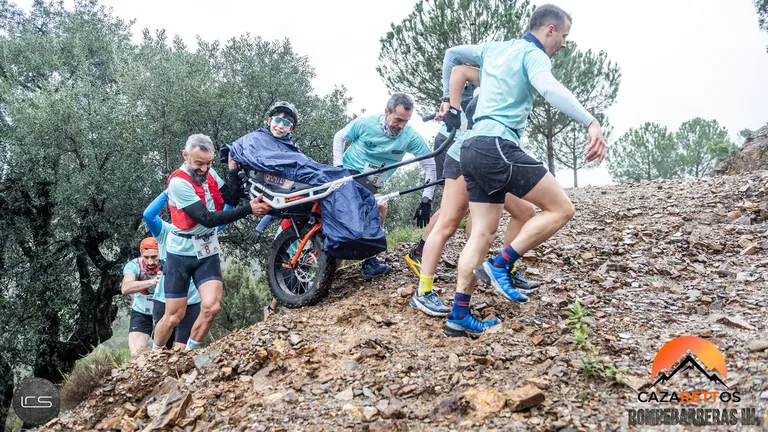
Galicia once again shows the most human side of the Camino
The news has generated an enormous emotional reaction, especially in Galicia, where many residents continue to see the Camino as something of their own and deeply linked to values of hospitality and help.
This is not the first time that Galician families have been involved in solidarity initiatives related to pilgrims.
However, this story has especially touched many people due to the age of the children and the physical difficulties of living daily with a neurodegenerative disease.
Even so, far from resigning, the twins keep their enthusiasm for living the Jacobean experience intact.
And precisely that is what is most exciting to those who have known the story.
The inclusive Path continues to grow in 2026
In recent years the Camino de Santiago has experienced significant growth related to:
accessible tourism,
adapted pilgrimages,
wellness travel,
inclusive hiking
and experiences of personal improvement.
More and more associations and groups are working to make it easier for people with physical disabilities or complex illnesses to also travel the Jacobean routes.
Many experts consider that the Camino has enormous therapeutic and emotional value.
Not just for physical exercise.
Also for:
coexistence,
human contact,
nature,
the digital disconnect
and the constant feeling of moving forward accompanied.
Precisely for this reason, for many families, experiencing the Camino becomes something much deeper than a tourist trip.
Santiago as a symbol of hope
For thousands of pilgrims, arriving in Santiago de Compostela represents the closing of an important personal stage.
Some walk looking for peace.
Others disconnection.
Other answers.
And many simply seek to demonstrate that they can still overcome challenges.
In the case of these two children from Teruel, the Camino symbolizes above all illusion and hope.
An experience that they will probably remember all their lives.
The stories that make the Camino great
At a time when social networks are constantly filled with viral videos, influencers and quick content, stories like this remind us why the Camino de Santiago still has something special.
Because beyond monuments, rural tourism or spectacular landscapes, the Camino continues to be a place where humanity appears naturally.
Where strangers help simply because.
And where there are still gestures capable of changing someone's trip—and sometimes their life.
The Path that excites the world
Every year more international pilgrims arrive, attracted by:
spirituality,
the adventure,
hiking,
mental health,
the disconnection
and authentic experiences.
But many times it is precisely stories like this that best explain what the Camino de Santiago really means.
Not just walking.
But to feel accompanied even in the most difficult moments.
And perhaps that is why the Camino continues to excite so much.
Because in the end, beyond kilometers or stages...
What is never forgotten are the people.

















