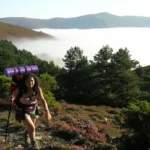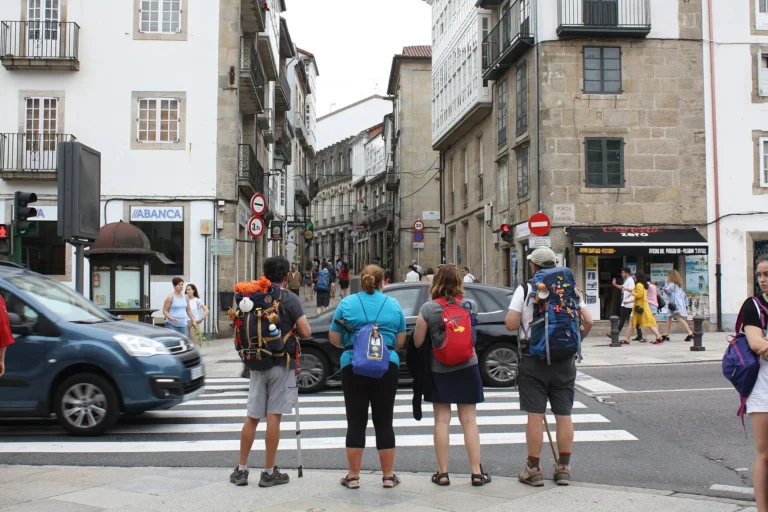
The Camino de Santiago faces a challenge that goes beyond the number of pilgrims it may attract next Holy Year: how to walk safely when intense heat, episodes of heavy rain and sudden changes in weather alter the planning of the stages. With Xacobeo 2027 on the horizon, climate adaptation deserves a central place in the Jacobean conversation.
The debate is reflected in an article in Diario de Santiago dedicated to climate change, heat, concentrated rains and the challenge of Xacobeo 2027. RTV Camino de Santiago addresses here its practical consequences for those who travel the routes and for the towns that receive them. Specific meteorological data that we have not been able to consult directly are not attributed to the article.
The heat changes the way you walk
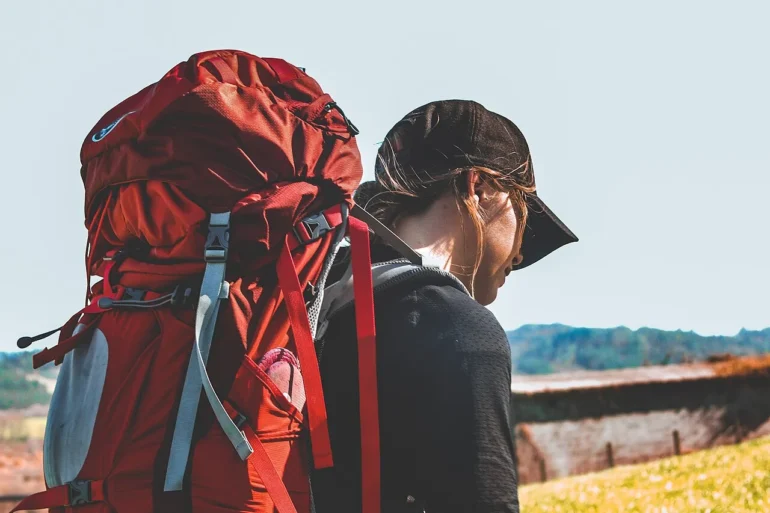
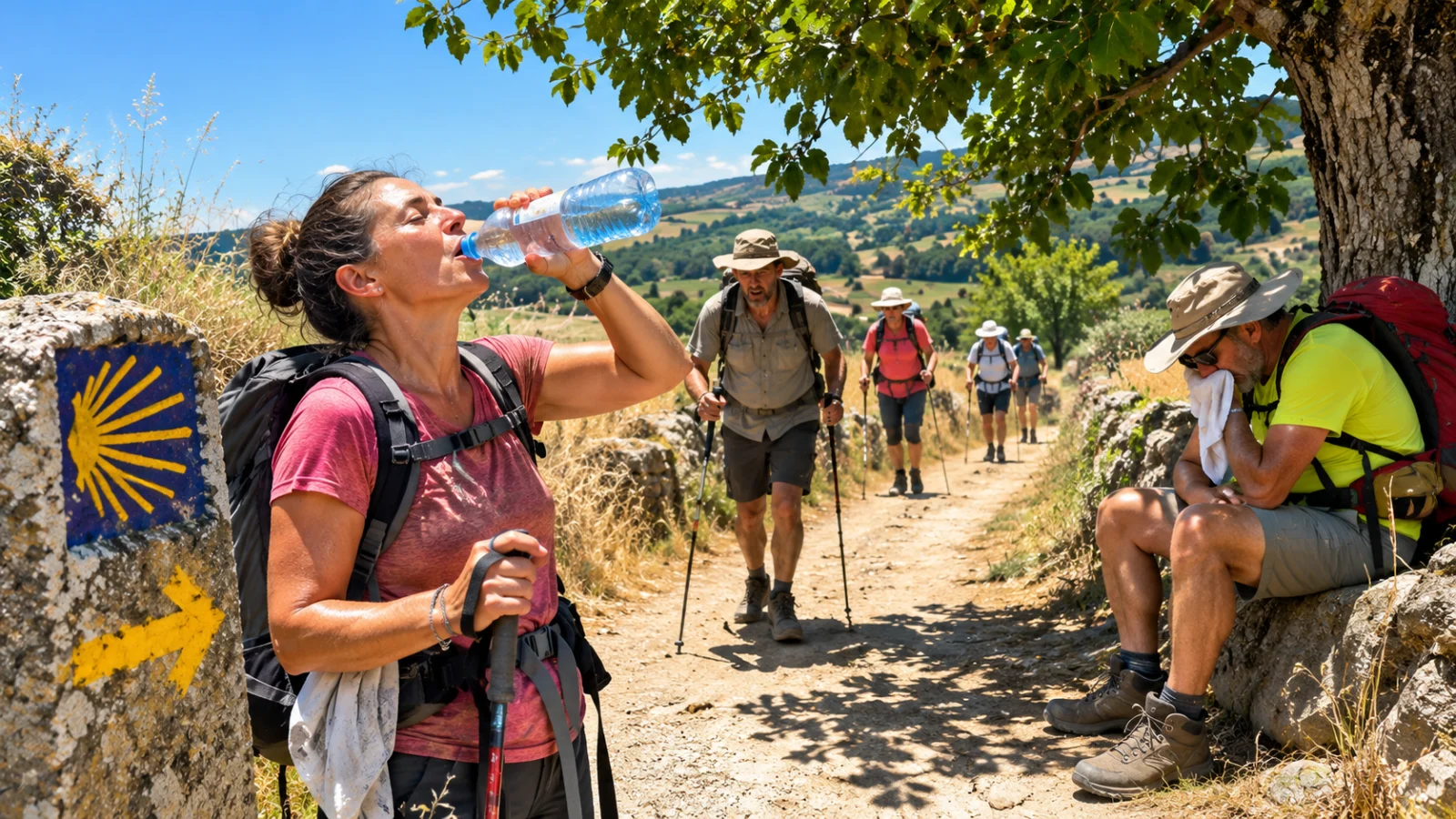
In a long stage, temperature determines much more than comfort. Walking for hours under intense sun increases the need for water, shade and breaks, and can promote heat-related health problems. Demanding climbs, treeless sections and exposed surfaces require special attention.
The answer is not to consider all summer days dangerous. It is important to consult the specific forecast for each stage, know your own limitations, leave at an appropriate time and be willing to shorten or suspend the route when there are weather warnings. The experience of each pilgrim, their age, their health and the weight of their backpack can modify the risk.
RTV already reported heat episodes that affected the Camino del Norte. It is an example of why it is advisable to follow real conditions and not rely solely on what is usual for a season of the year.
When the rain comes hard
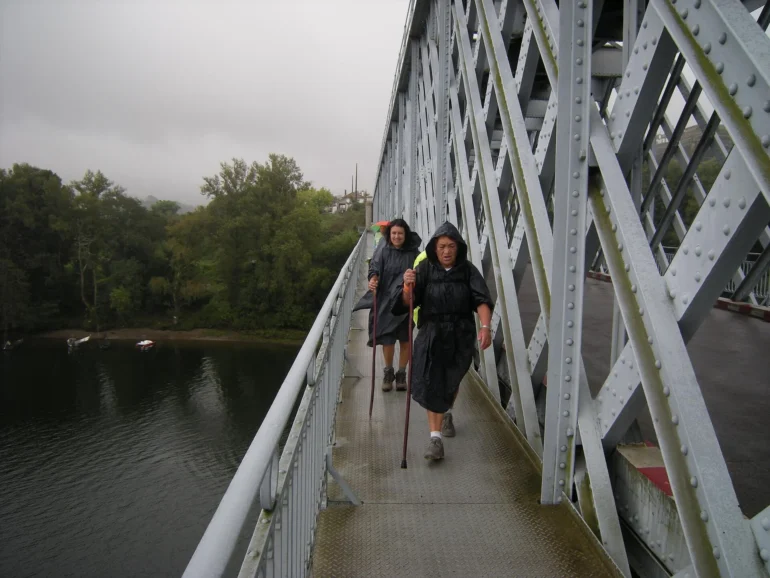
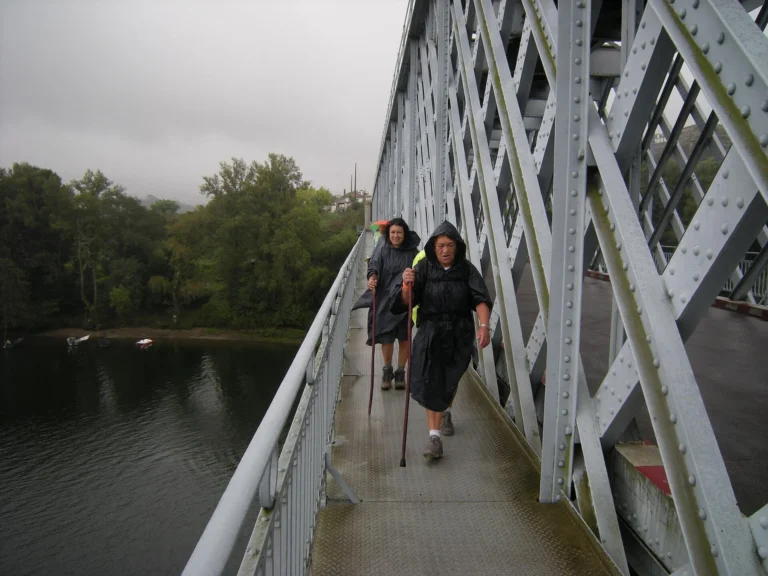
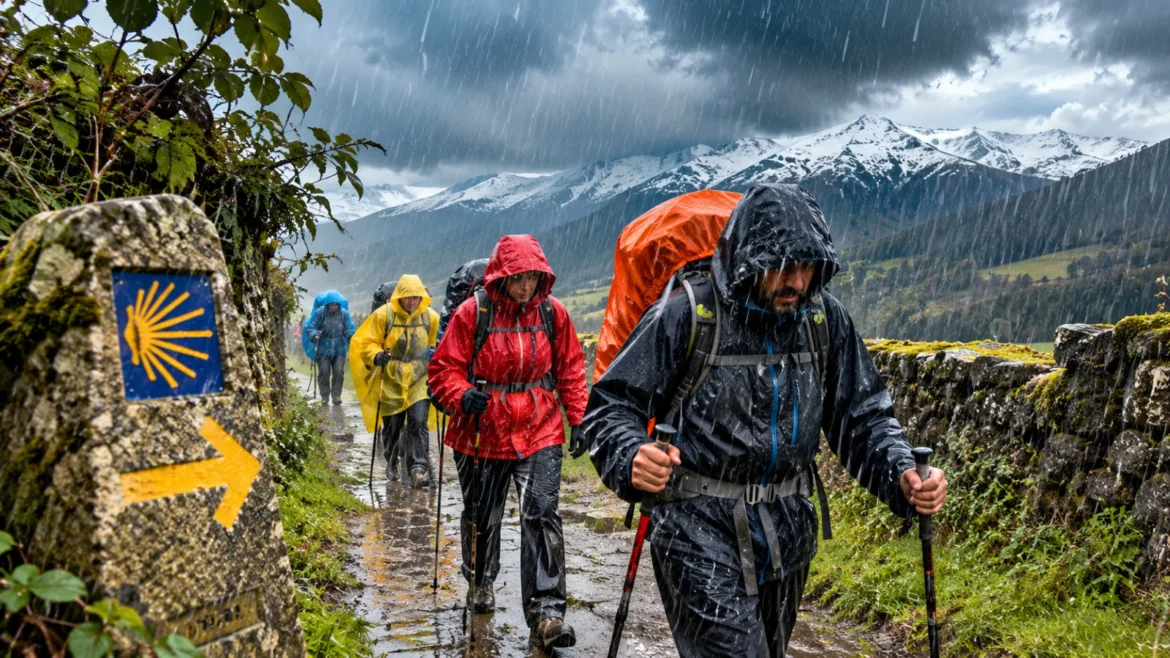
Intense rainfall poses different difficulties: mud, slippery stones, reduced visibility and possible incidents at river crossings, low passes or tracks. A downpour does not necessarily mean that you have to abandon the stage, but it may force you to change your route, wait in a safe place or heed the instructions of the authorities.
The condition of the trails after rain also matters. A seemingly clear day may find the terrain still deteriorated by accumulated water. That's why signage, maintenance and up-to-date local information are as important as the forecast.
On mountain routes or exposed areas, caution must be greater. When faced with an official weather alert, the responsible decision may be not to go out. No credential or arrival date compensates for an avoidable risk.
Xacobeo 2027: an opportunity to improve information
The next Holy Year can serve to review how risk is communicated to those who travel the different Caminos. Clear signs in multiple languages, information on water sources and alternative itineraries help make better decisions, especially for visitors who are unfamiliar with the terrain.
City councils, associations, shelters and emergency services have different and complementary roles. It is not just about reacting to an incident, but about providing reliable information before the pilgrim begins to walk. Coordination is especially valuable when a stage crosses several municipalities.
Cooperation between territories is also present in Jacobean modernization initiatives, such as tools presented by Spain, France and Portugal to improve the Camino. Digital resources can be useful if they are kept up to date and easy to reference in the field.
What can a pilgrim do today?
Before each stage it is advisable to consult the warnings from AEMET or the corresponding meteorological service, check the distance to the next water point and communicate the itinerary to someone you trust. Bringing sun protection, appropriate rain gear, and enough water is essential, but it is no substitute for the ability to change plans.
In case of worrying symptoms related to heat, you should stop exercising, find a cool place and seek medical help when necessary. If the ground is flooded or there is a risk of storms, it is preferable to wait or use a safe alternative. For emergencies in Spain, the telephone number is 112.
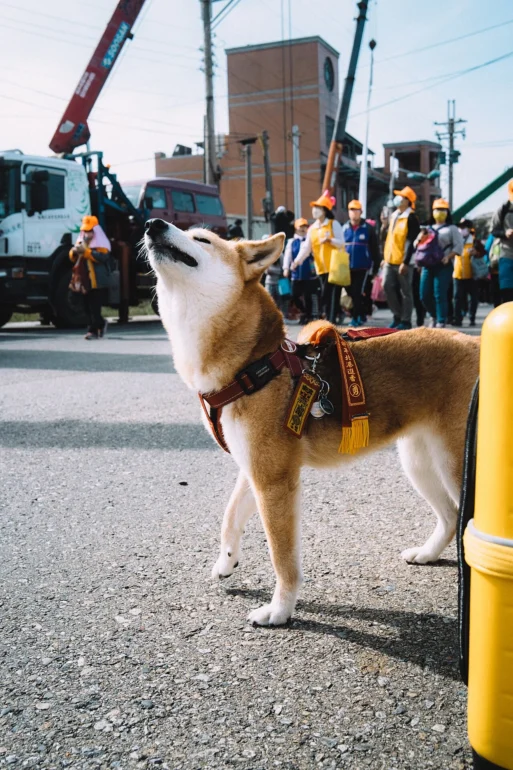
Preparation also counts for those traveling with animals: high temperatures and hot pavements can especially affect them. At RTV we have addressed animal welfare on the Camino through the Maison Huella initiative.
The great challenge of Xacobeo 2027 will not only be to welcome pilgrims: it will be to help them travel the Camino with useful information, well-kept infrastructure and decisions adapted to real time. The good Camino also begins with knowing when to stop.
Sources: Diario de Santiago, article on climate change and Xacobeo 2027 (thematic reference); AEMET, weather warnings and predictions; RTV Camino de Santiago archive.