The Camino de Santiago hides a surprising history in Lugo: the Triacastela that pilgrims know today does not exactly occupy the place of the medieval town. In the first decades of the 13th century, Alfonso IX of León founded a new town just over two kilometers west of the old town, located in the current Vilavella. Eight centuries later, the church, the layout of the houses and some place names allow us to follow the traces of that change.
The story has returned to the news following information published on November 18 by Vozpópuli. Its basis is research by Rosario Valdés Blanco-Rajoy, from the Padre Sarmiento Institute of Galician Studies (CSIC-Xunta de Galicia), published in 2022 in Galician Studies Notebooks. The study reconstructs the old nucleus through medieval documentation, cartography, observation of the terrain and local testimonies.
Vilavella: the town that lived off pilgrims
Before the current Triacastela existed, the Jacobean transit favored the growth of Santa María de Vilavella. The research locates the origin of the settlement around an early medieval monastery linked to welcoming travelers. In the year 989, the monk Menendo Emeteriz founded a community dedicated to Santa María and San Paio.
As time went by, religious activity and the circulation of walkers promoted a small town. In the 12th century it had reached sufficient development to have its own institutions and commercial activity. A revealing detail is the purchase of a plot of land by the abbot of Samos in 1149, paid for in French currency: a documentary trail of the exchange that accompanied the pilgrimage routes.
When the Codex Calixtinus mentioned Triacastela in the 12th century, he was probably referring to this ancient center, not to the population that today welcomes walkers. On our website we have also remembered other stories of the pilgrim tradition of Triacastela.
The decision of Alfonso IX changed the map
In the first decades of the 13th century, Alfonso IX of León founded a new town in a more advantageous point for communications. There itineraries converged towards Sarria, with alternatives through Samos and Calvor, and a connection to Lugo. The new location made it possible to reinforce royal control and promote trade, in a territory where the monastery of Samos had important rights.
The founding document is not preserved, but a royal charter from 1228 refers to the new population created by the monarch. The town was organized around the Camino as a main street, with side roads and a defensive perimeter: a different planning from the spontaneous growth of the previous settlement.
It should not necessarily be imagined that all houses were physically transported. The "transfer" describes the movement of the population center and its activity to a new foundation. While Triacastela prospered in its location, Vilavella lost part of the traffic and was progressively oriented towards agricultural life.
What remains today of that missing Triacastela
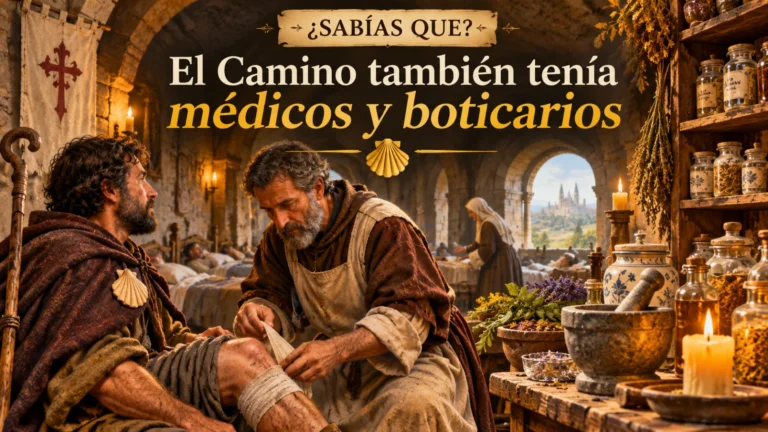
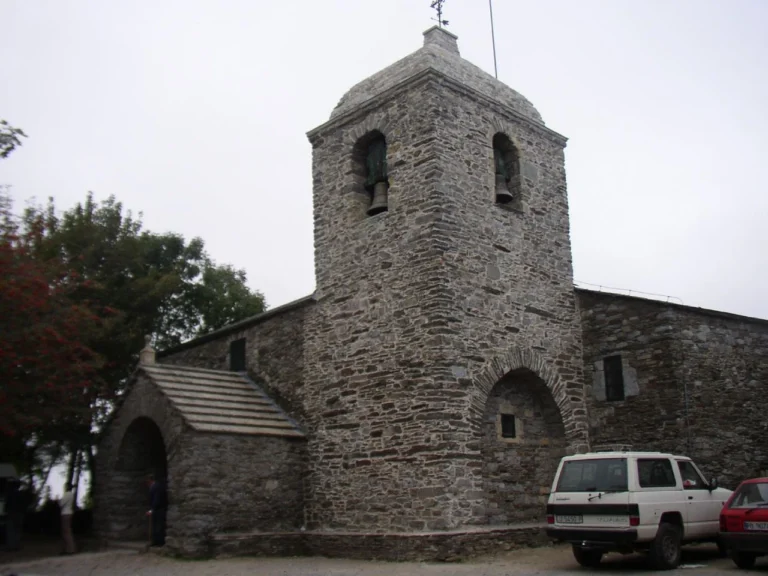
The main testimony is the church of Santa María de Vilavella, whose façade preserves Romanesque elements. Around it, the houses maintain a grouped arrangement that recalls the medieval origin of the place. The research also identifies the memory of care spaces: an old pilgrim hospital and a malateria linked to the care of people with leprosy.
Neighbors have transmitted references to remains located in the Veiga do Hospital, near the Teixido River. It is important to distinguish that local memory from a conclusive archaeological identification of each structure. Another indication is the name "O Concello", preserved on land that could evoke the council institution of the old town.
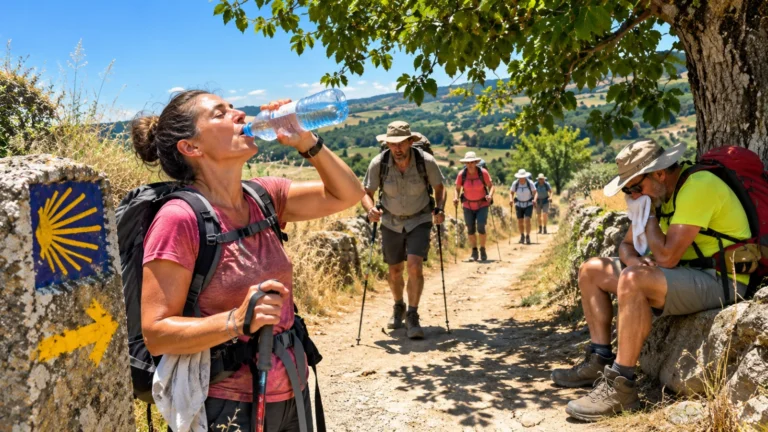
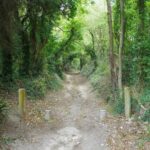
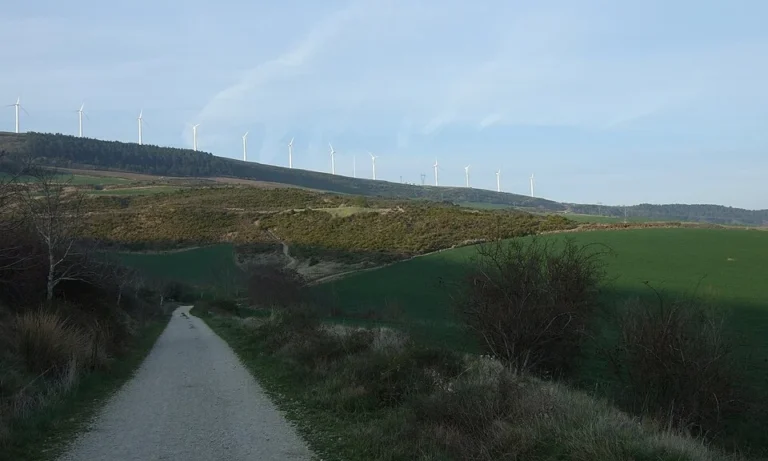
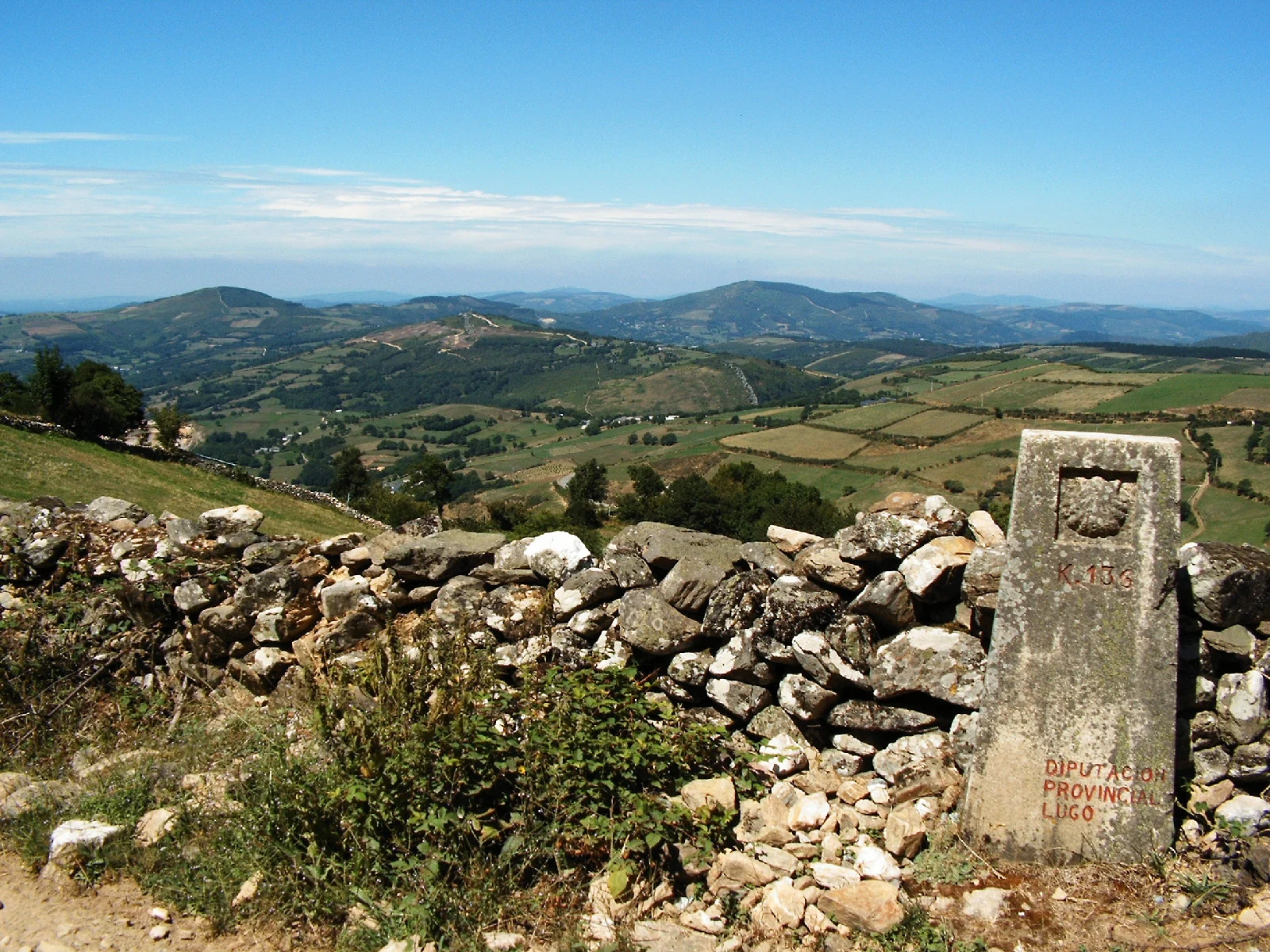
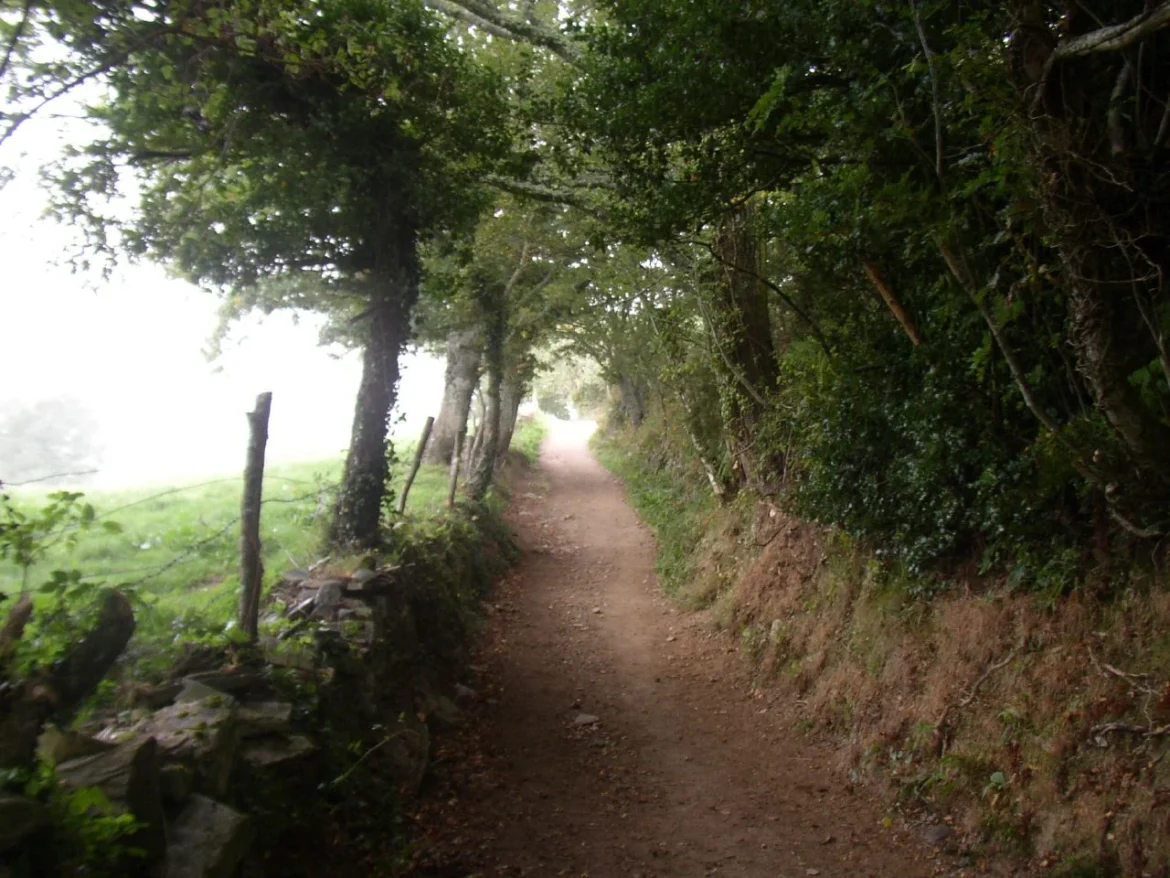
The surroundings of Triacastela continue to show landscapes and paths that help to understand the relationship between settlement and pilgrimage. Our information about the Camino and its heritage Remember that routes are also living archives of history.
A detour of eight centuries that deserves to be known
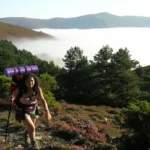
For today's pilgrim, Triacastela is usually a stop after the descent from O Cebreiro and before continuing towards Sarria. But the history of Vilavella invites us to look beyond the stage: political decisions, commercial routes and welcoming institutions transformed the map of Galicia long before modern guides existed.
The case also helps to understand the influence of Samos on the territory. RTV has addressed that tradition of hospitality in a report on monastic welcome in Samos.
The next time you arrive in Triacastela, remember that the history of this stage begins a little earlier, in Vilavella: the place where a medieval town was left on the sidelines of the new Camino, but did not disappear from memory.
Sources: Rosario Valdés Blanco-Rajoy, "French Way and urban planning in medieval Galicia: the case of the old town of Triacastela", Galician Studies Notebooks (2022); Vozpópuli, November 18, 2026.
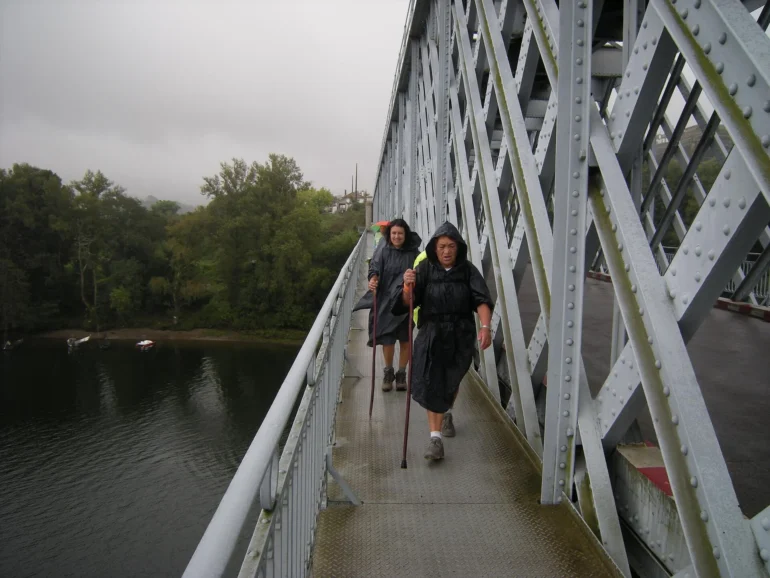
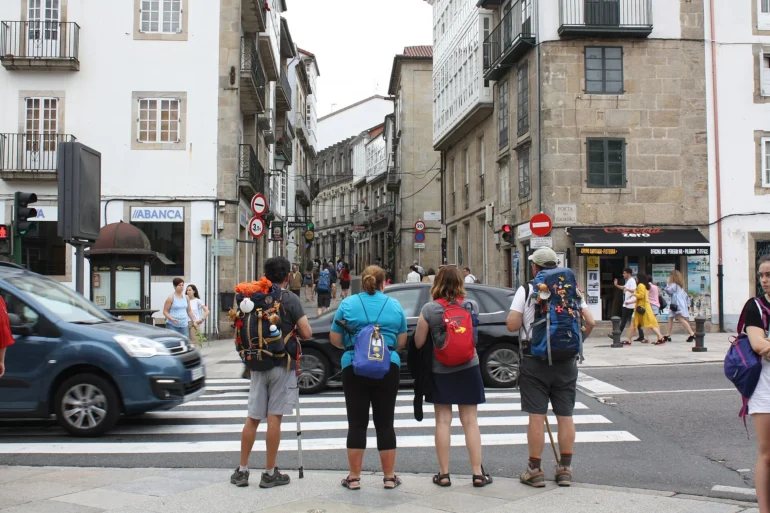
Images: Photo: José Antonio Gil Martínez, Wikimedia Commons, CC BY 2.0. Current image, not of the medieval settlement | Photo: iamato, Wikimedia Commons, CC BY 2.0.
Cover photo: Jule_Berlin · CC BY 2.0 · Wikimedia Commons