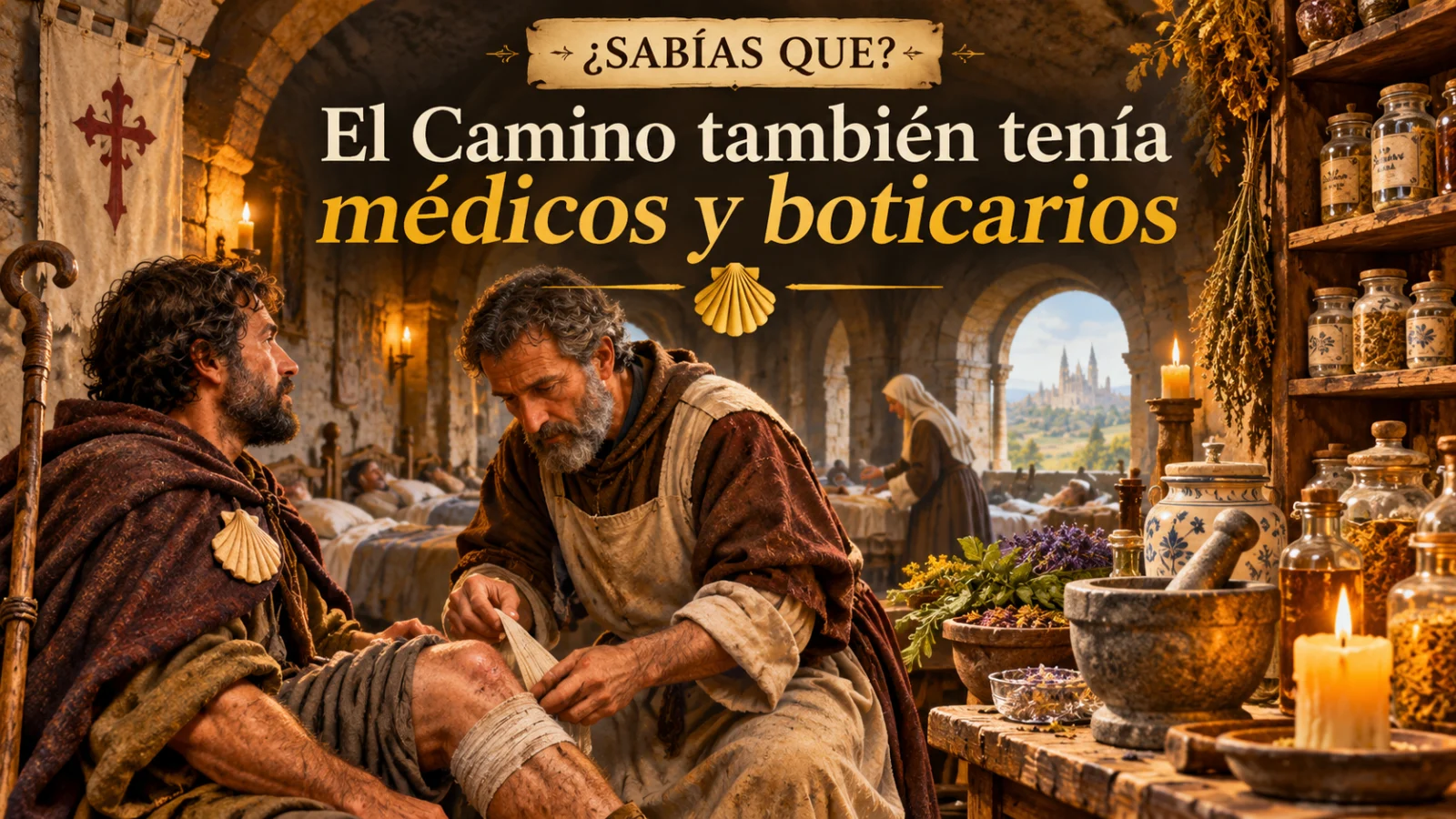
Did you know that the Camino de Santiago was not only a route of faith, but also a welcoming network where sick travelers were cared for? For centuries, pilgrim hospitals, apothecaries, surgeons and caregivers were part of Jacobean history. The word "hospital" did not mean exactly the same as it does today: many establishments offered, above all, shelter, food and rest.
The topic returns to the news following an article published by El Correo Gallego on November 18, 2026, titled "The Camino de Santiago, route of doctors and apothecaries." Its approach invites us to look at the Jacobean heritage from a less known perspective: that of health, remedies and care for pilgrims.
Much more than a bed to sleep in
Walking hundreds of kilometers in previous times meant exposing yourself to injury, illness, hunger and adverse weather conditions. Hospitality was a practical necessity. Religious institutions, foundations and reception establishments emerged along the routes that helped those traveling to Compostela.
It is important to distinguish between medieval hospitality hospitals and current health centres. Not all of them had medical personnel or offered the same treatments. In some places material and spiritual help predominated; In others there were more specialized assistance resources.
At RTV Camino de Santiago we have already told the story of a pilgrim hospital in Melide, an example of how the memory of these spaces continues to be present in the towns of the Camino.
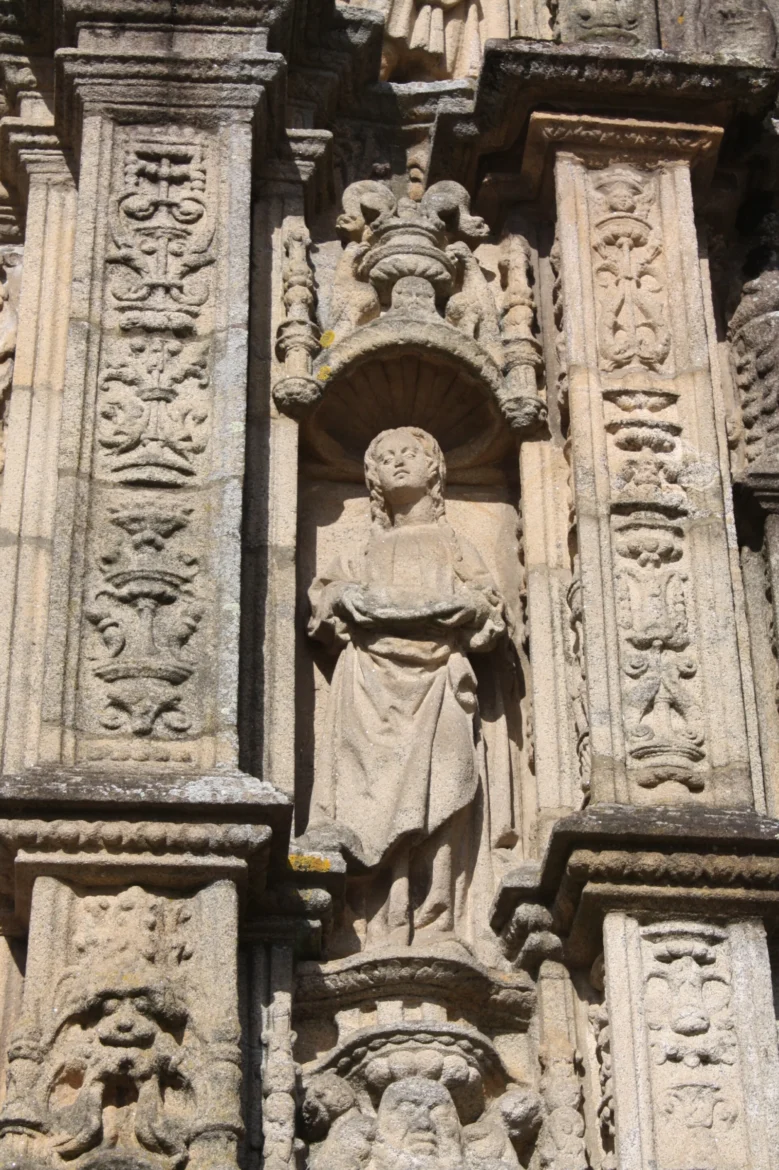
Doctors, surgeons and apothecaries: different professions
Historical medicine brought together knowledge and practices very different from those of today. Doctors could examine the sick and recommend care; surgeons dealt with certain interventions and wounds; Apothecaries prepared or dispensed remedies from plant substances, minerals, and other ingredients.
You should not imagine a modern pharmacy in every hostel. The availability of professionals, utensils and preparations depended on the place, the time and the resources of the institution. Nor were all traditional remedies effective or safe according to today's scientific knowledge.
The study of these trades helps to understand an essential dimension of the Camino: the pilgrimage also facilitated contact between people, knowledge and ways of caring for the sick. In our archive you can also consult the history of a hospital linked to the treatment of a historical illness.
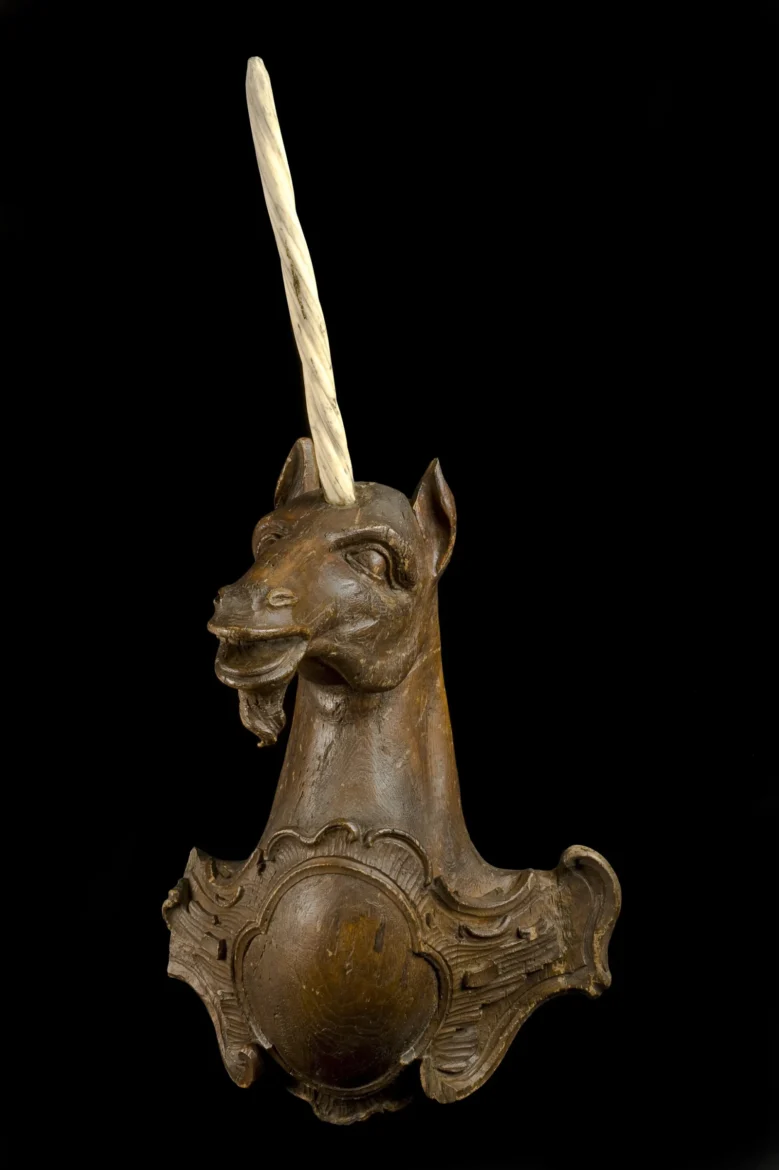
Hospitals, part of the Jacobean heritage
The trace of ancient hospitality remains in buildings, place names, documents and traditions. In some cases, buildings that changed use over time are preserved; In others, only historical references or archaeological remains remain. Each enclave requires a specific investigation to know what function it really played.
Hospitals and their host communities were also meeting places between people from different backgrounds. Helping poor, tired or sick walkers is one of the most recognizable traditions of the Jacobean world.
Among the investigations that recover this past is the discovery of a medieval pilgrim hospital which RTV already reported. These discoveries allow us to reconstruct how assistance was organized and how it evolved over the centuries.
A lesson that lives on
Today the pilgrim has health services, pharmacies, transportation and communications that radically transform the experience. However, one idea continues to connect the past and the present: no one should be left stranded if they become ill or injured while marching.
Knowing the history of the doctors and apothecaries of the Camino does not mean idealizing medieval medicine. It means recognizing that the Jacobean route was also a space of care, solidarity and transmission of knowledge, although with great differences between times and places.
The next time you pass by an old pilgrim hospital, remember that not only rest was offered there: at certain times and establishments they also tried to alleviate the suffering of those walking towards Santiago.
Sources: El Correo Gallego, November 18, 2026; history and heritage articles published on RTV Camino de Santiago.
Images: Photo: Lameiro, Wikimedia Commons, CC BY-SA 4.0 | Wellcome Collection, Wikimedia Commons, CC BY 4.0.