

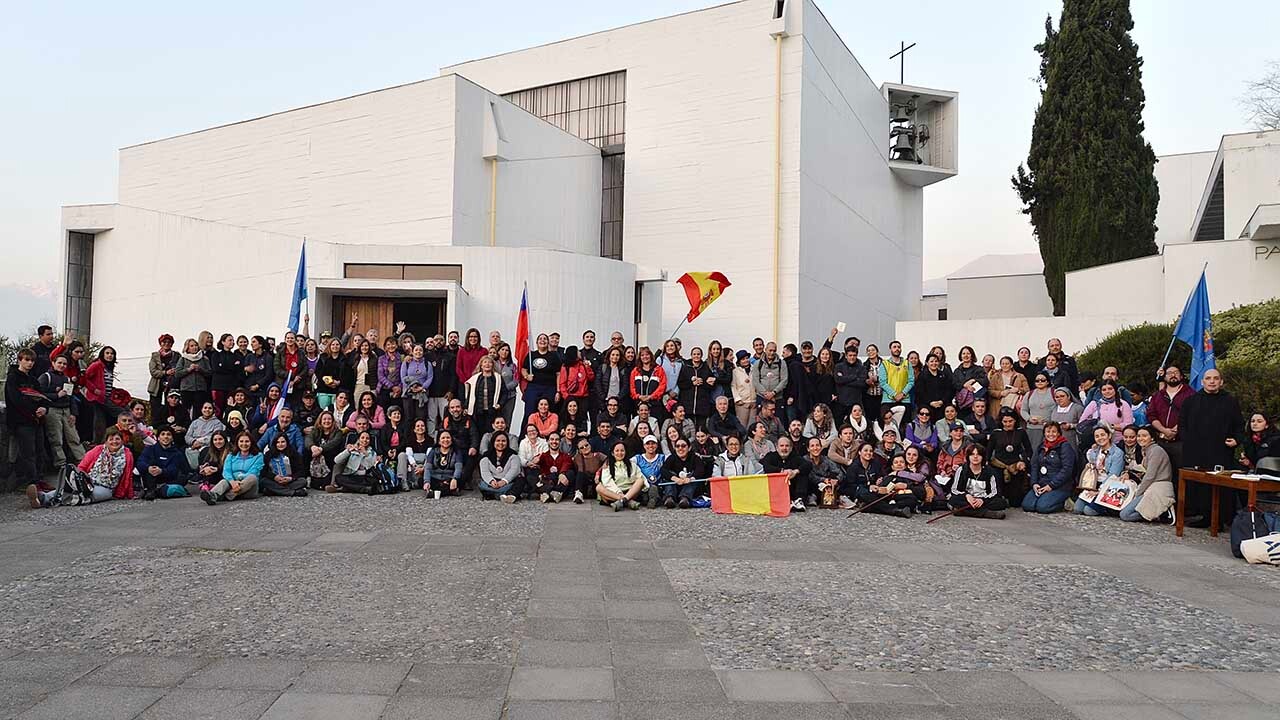
A path that crosses continents
The Camino de Santiago continues to grow beyond Europe and already has an officially recognized route in America. The so-called Via de los Andes, in Chile, has been consolidated as a Jacobean itinerary that allows pilgrims to begin their experience on the other side of the Atlantic before continuing towards Compostela.
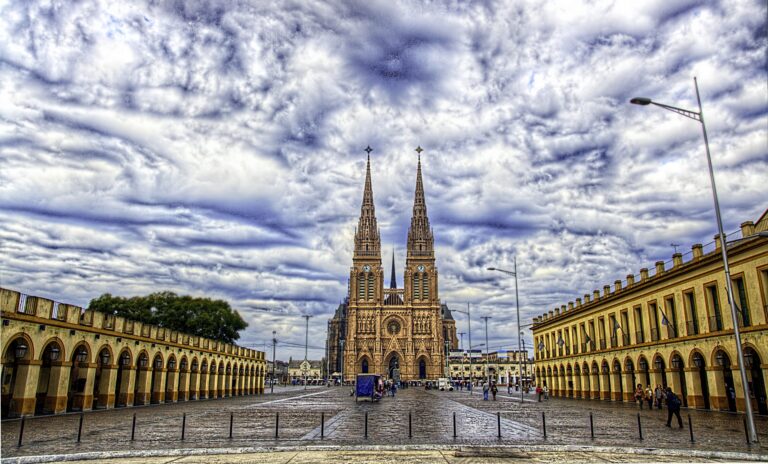
This route, of about 25 kilometers, crosses different points of Santiago de Chile and combines urban spaces, religious heritage and natural areas, offering an experience adapted to the reality of the country but inspired by the traditional spirit of the Camino.
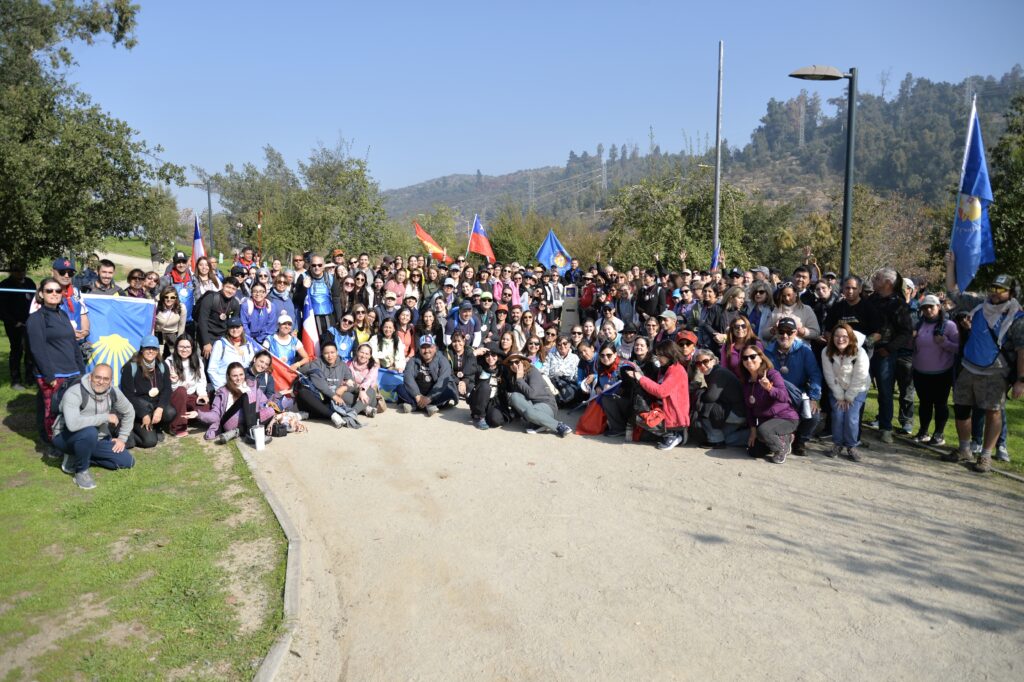
A project that was born a few years ago and continues to grow
The Via de los Andes began to be developed recently with the idea of bringing the Camino de Santiago closer to pilgrims from Latin America. The objective was to create an authentic route, well organized and recognized within the Jacobean world, not only as a symbolic walk, but as a real part of the pilgrim experience.
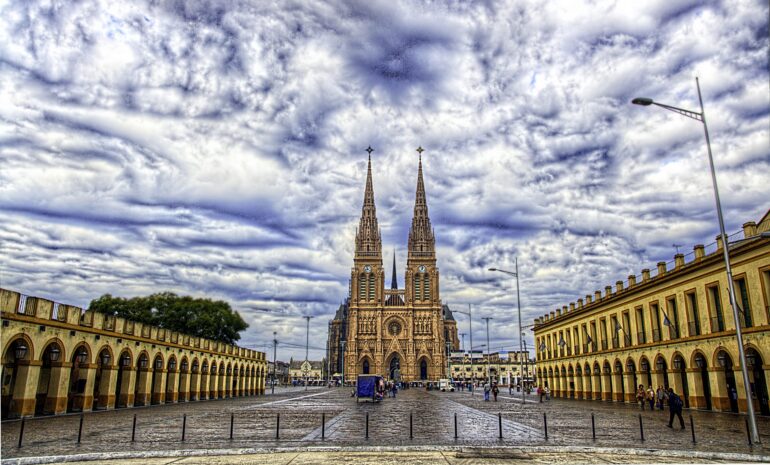
The route includes temples, parks and emblematic places, and one of its most significant points is the Jacobean monolith that marks the distance to Santiago de Compostela, considered one of the southernmost landmarks of the Camino on the planet.
More and more pilgrims are joining this route
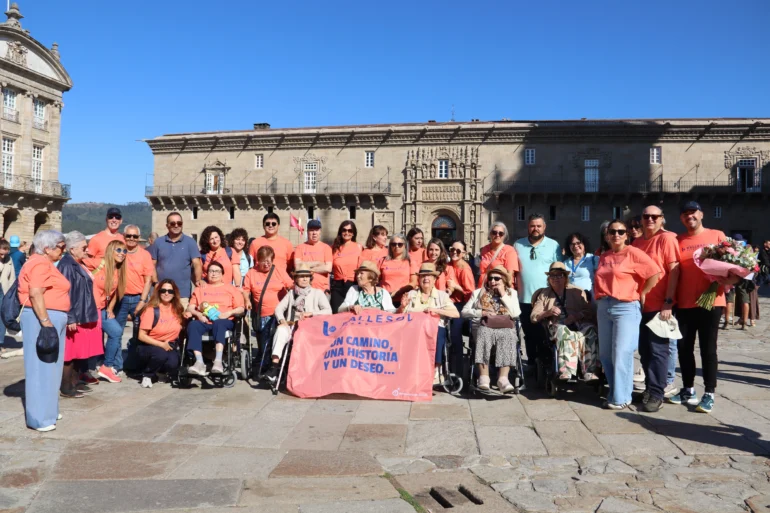
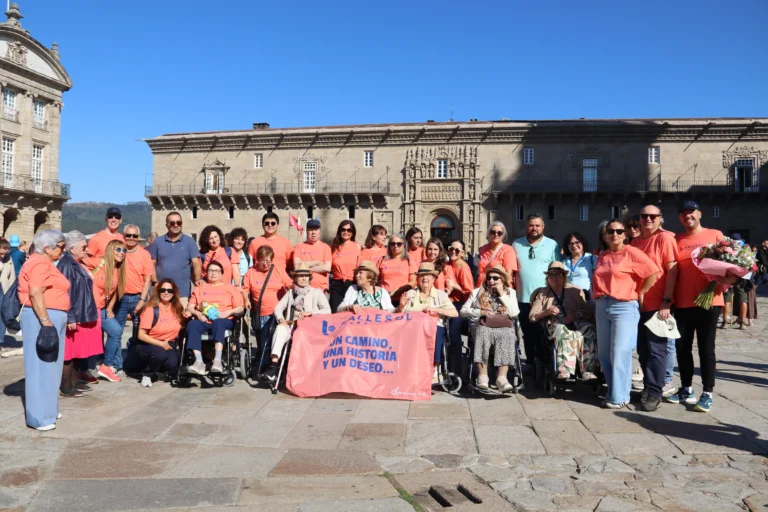
Interest in the Via de los Andes continues to increase. Organized groups and individual pilgrims travel the itinerary each year, many of them with the intention of later continuing the Camino in Spain.
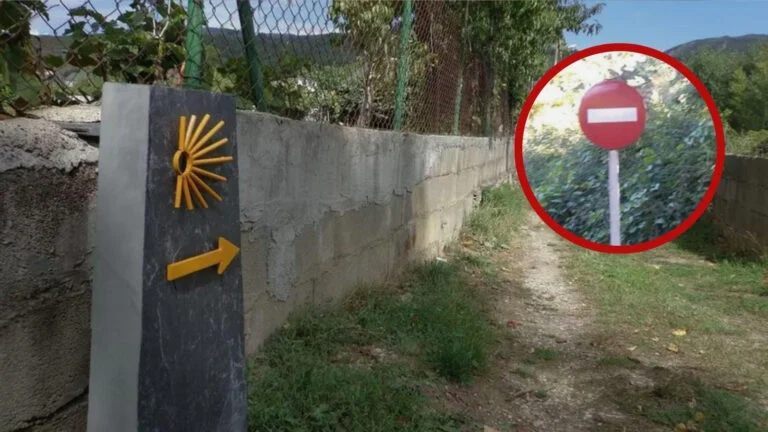
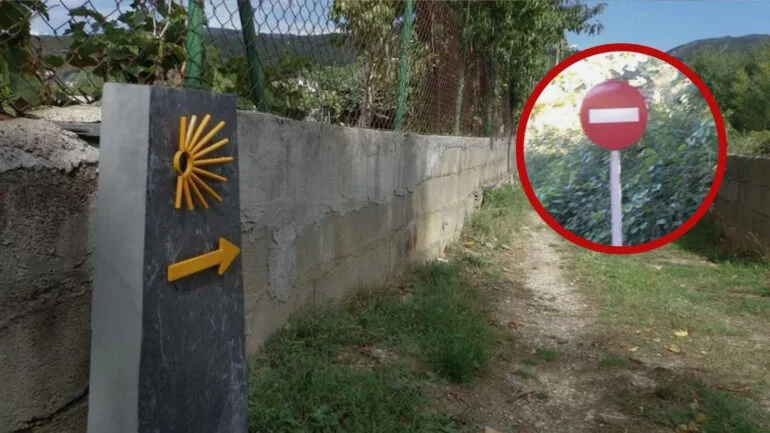
For those who visit it, the experience has a special value. Walking in a modern urban environment but following Jacobean symbols, sealing the credential and sharing the path with other pilgrims allows us to feel that the Camino de Santiago is today a global reality.
El Camino becomes a global phenomenon
The consolidation of this route demonstrates the extent to which the Camino de Santiago has ceased to be just a network of European trails and has become an international phenomenon. Associations, institutions and communities of pilgrims work in different countries to keep the spirit of the Camino alive and adapt it to new cultures and landscapes.
Many experts agree that these types of initiatives help more people discover the Camino and are encouraged to travel to Spain later, reinforcing the link between continents through a tradition that has more than a thousand years of history.
Looking to the future
The Vía de los Andes continues to develop and improve its signage, organization and dissemination. Everything indicates that the number of pilgrims will continue to grow in the coming years, especially as the Camino de Santiago continues to gain popularity in Latin America.
Today, the Camino no longer begins only in Roncesvalles, Sarria or Oporto. For some pilgrims, the first step is taken thousands of kilometers from Compostela, at the foot of the Andes mountain range.