



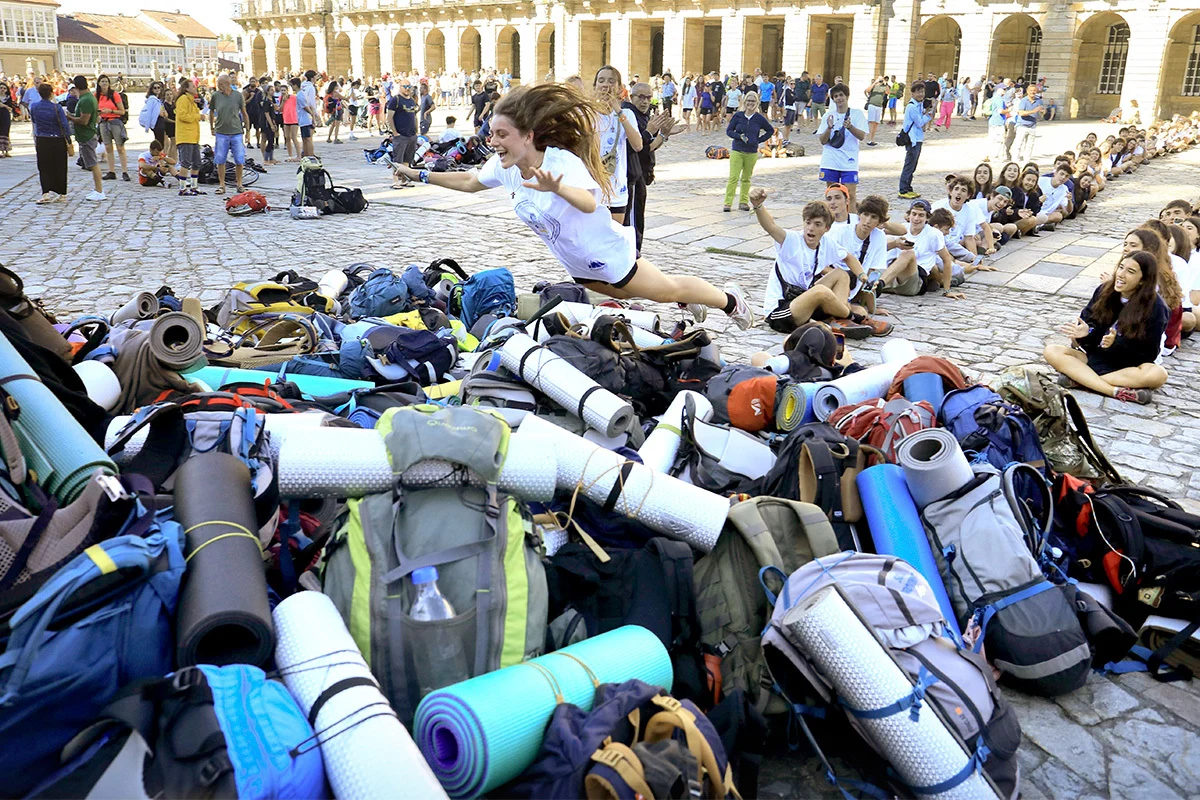
The growth of the Camino poses new challenges
The French Camino de Santiago, the busiest route of all, is going through a moment of great success, but also of concern. Various recent studies and analyzes warn that the constant increase in the number of pilgrims is generating problems of saturation, pressure on neighbors and a progressive loss of the traditional essence of the route.
The figures from recent years show continuous growth that has led to certain sections being at the limit of their capacity at some times of the year. This situation forces us to rethink the management model to prevent our own success from ending up negatively affecting the pilgrim's experience.
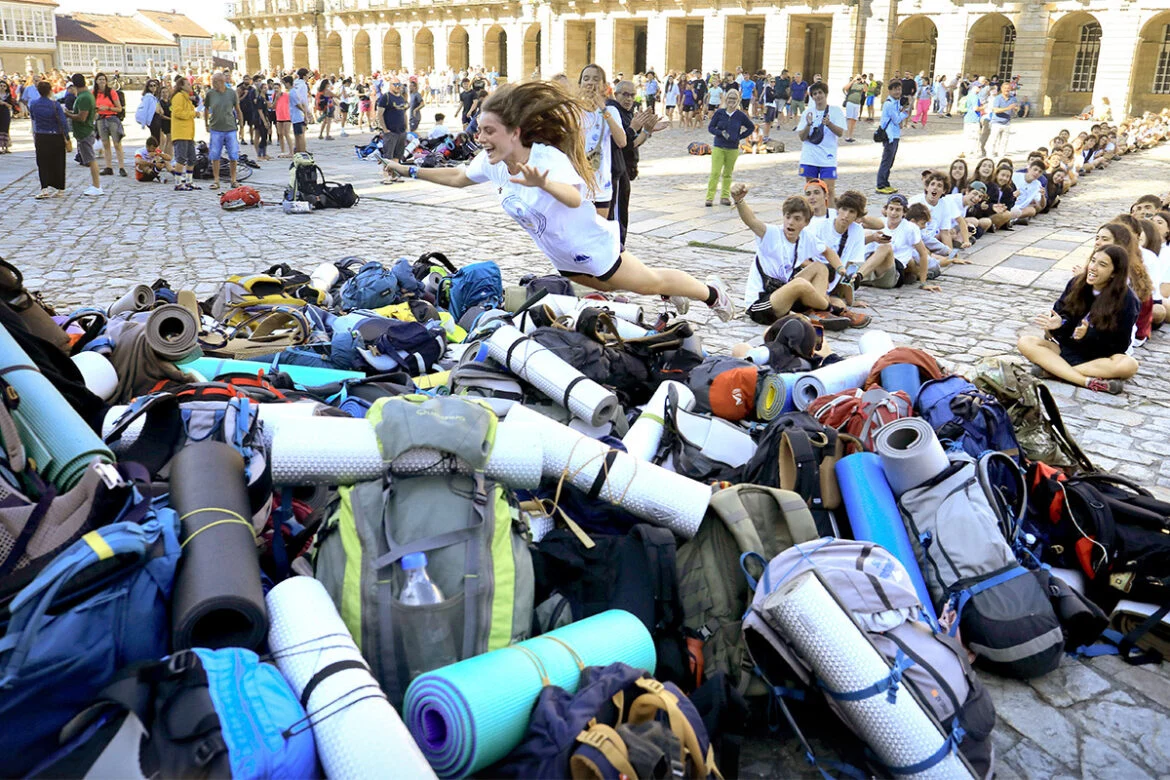
Saturation in the last kilometers
One of the main problems detected is the concentration of walkers in the last hundred kilometers before Santiago, especially from Sarria. This section has become the most popular, which causes many pilgrims to coincide in the same stages, hostels and trails.
The direct consequence is the loss of some traditional values of the Camino, such as tranquility, silence or intimate contact with nature, elements that have historically been part of the pilgrimage.
Meanwhile, other sections of the French Way and other Jacobean routes continue to have a much lower influx, which shows an imbalance in the distribution of pilgrims.
The trivialization of experience
Another aspect that worries experts and associations is the change in the profile of visitors. Some observers point out that, in certain cases, the Camino experience is becoming a quick tourist product, in which the main objective is to complete the minimum kilometers or reach Santiago in a few days.
This phenomenon can affect fundamental values of the Camino, such as hospitality, coexistence and the personal meaning of the pilgrimage, which have been the heart of the experience for centuries.

The impact on neighbors and the territory
The increase in pilgrims also has effects on the daily life of the towns and cities of the Camino. The growth of tourist accommodation, pressure on services and rising prices in some areas are causing concern among residents.
In some places, the risk is that the balance between local life and tourist activity will be broken, affecting the identity of the communities that have historically cared for and maintained the Camino.
A difficult balance between economy and sustainability
At the same time, the Camino remains a fundamental economic driver for many rural areas. The arrival of pilgrims makes it possible to maintain businesses, generate employment and establish population in places that, otherwise, would have more difficulties in sustaining their activity.
The challenge is to find a balance that allows you to take advantage of the benefits of the Camino without losing its essence or deteriorating the environment.
The challenge of the future
The main challenge now is to manage growth sustainably. Among the proposals put forward are the promotion of less known routes, the distribution of pilgrims throughout the year and the improvement of planning and information for walkers.
The Camino de Santiago has demonstrated throughout history a great capacity for adaptation. Today, the challenge is not to attract more pilgrims, but to preserve what has made the Camino a unique experience for centuries.

















