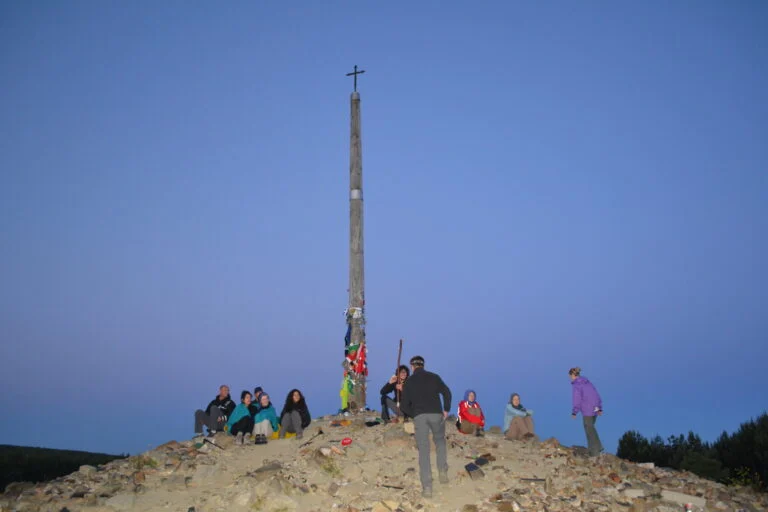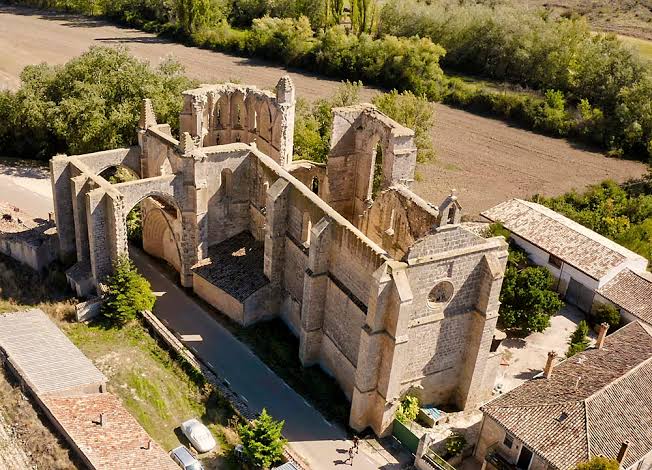
A time when doing the Camino was not a choice
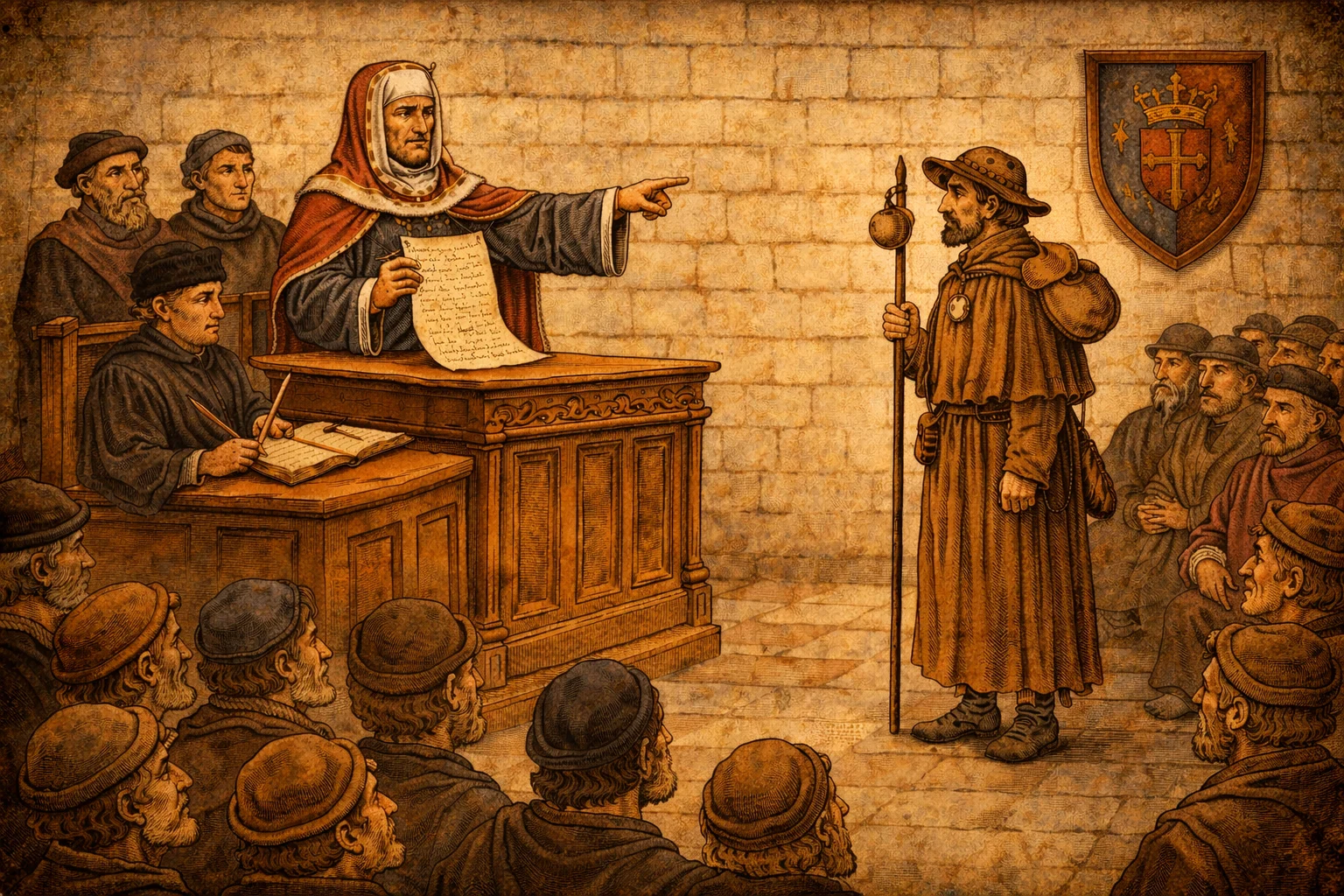
Today the Camino de Santiago is associated with personal search, spirituality or cultural tourism. However, for centuries it was also a form of punishment. In the Middle Ages and part of the Modern Age, some civil and ecclesiastical courts sentenced certain people to make a pilgrimage to Compostela as part of their punishment.
This sentence meant leaving home, work and daily life for months, and even years, to undertake a long and difficult journey. The pilgrimage functioned at the same time as religious penance, social sanction and public proof of repentance.
An alternative to prison
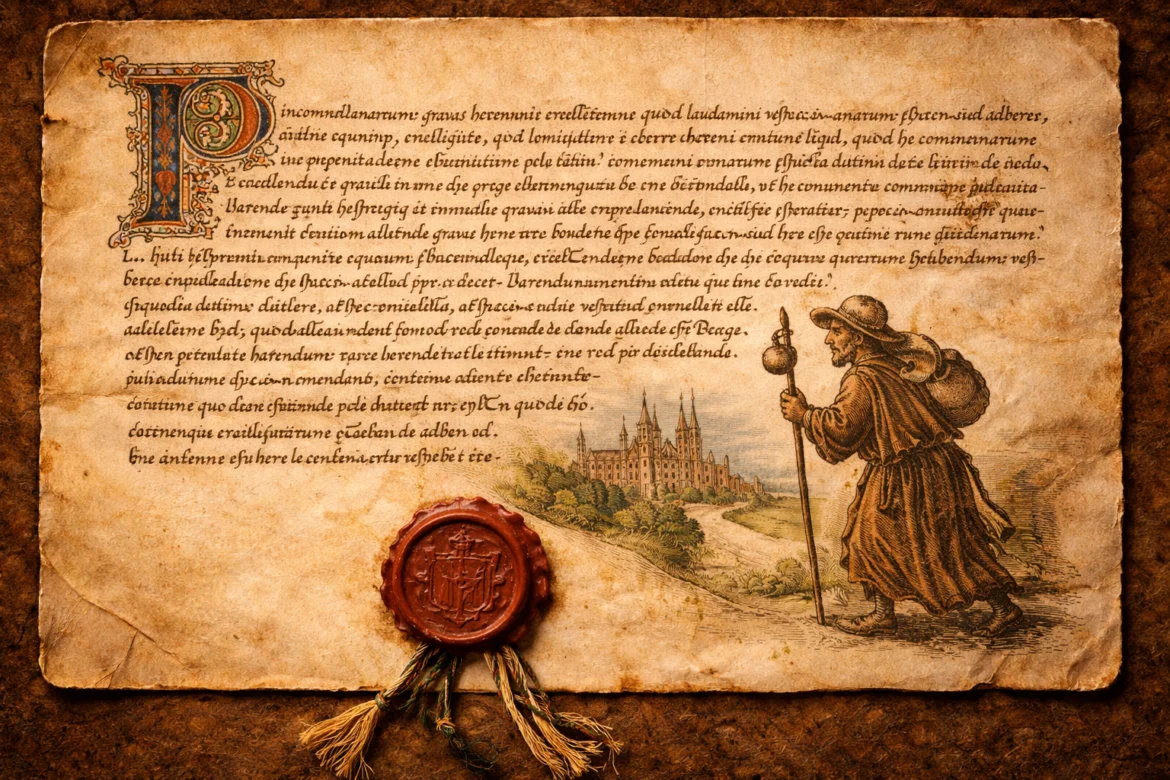
The judicial pilgrimage had several functions. On the one hand, it took the convicted person away from the place where he had committed the crime, acting as a form of temporary banishment. On the other hand, it required proof of compliance with the sentence, since the pilgrim had to return with proof of having arrived in Santiago.
The crimes that could give rise to this type of punishment were varied. In many cases these were not serious crimes, but rather conflicts, misdemeanors or minor crimes. The pilgrimage allowed punishment without resorting to prison, something especially useful in times when prison systems were limited.

A hard journey full of dangers
The Camino at that time was very different from today. The routes were unsafe, the roads difficult and the risks constant. Illness, theft, accidents or simply exhaustion could turn the pilgrimage into an extremely difficult experience.
Furthermore, many convicts did not have resources or companions. Some judges imposed additional conditions, such as making the trip on foot, dressing in a humble manner or subsisting on alms during the journey.
The punishment did not affect only the condemned. The family left behind could face financial difficulties during the time of absence, which meant that the grief also had social consequences.
Santiago as a final test
Arriving in Compostela was not only the end of the trip, but also proof of having served the sentence. Pilgrims had to obtain documents or testimonies that proved their arrival, since without that proof the sentence could be considered unfulfilled.
This type of sentences was not exclusive to the Iberian Peninsula. There are records in different European countries that show how pilgrimage to sacred places, including Santiago, was used as a form of judicial penance for centuries.
The end of a historical practice
With the passage of time and the appearance of more modern judicial systems, this type of punishment began to disappear. Prison and other sanctions replaced the mandatory pilgrimage, which remained a little-known historical episode of the Camino de Santiago.
Today millions of pilgrims travel the Jacobean routes by their own decision, moved by spiritual, cultural or personal reasons. But for centuries there were those who walked out of obligation, facing the same landscape and the same stages, although with a very different meaning.
Remembering this history allows us to better understand the complexity of the Camino and how, over time, it has had very different meanings for those who walked it.