



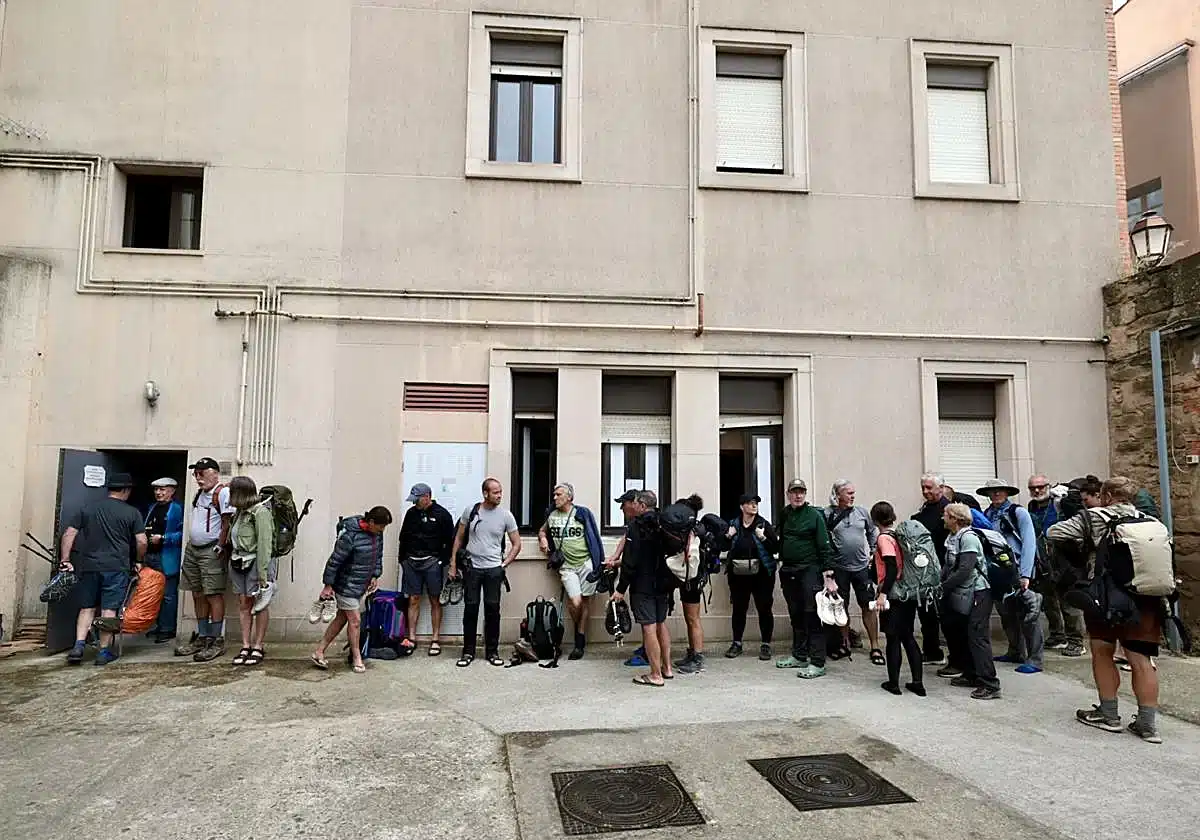
Saturation forces walkers to be referred to a parish house with less capacity
He Camino de Santiago once again shows one of its most uncomfortable faces in the middle of 2026. The temporary closure of the Logroño municipal shelter has caused an extreme situation in one of the key points of the French Way, leaving numerous pilgrims without accommodation.
The consequence has been immediate.
👉 overflow of the host network
And an emergency solution that reflects the real problem: pilgrims are being referred to a parish house with very limited capacity, unable to absorb the current volume.
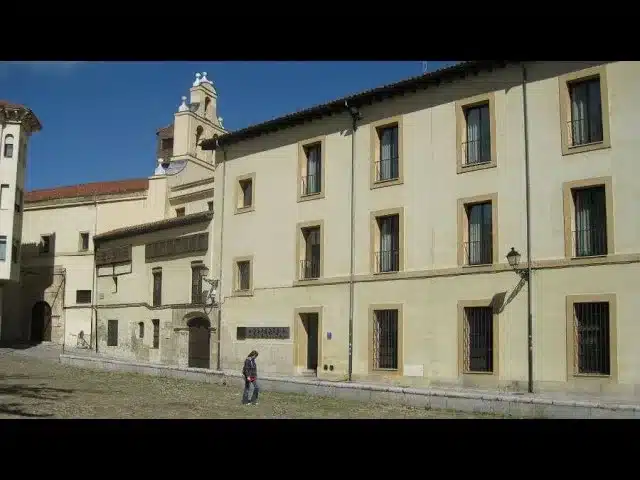
A closure at the worst time
The municipal shelter, located on the highway, remains closed for several weeks for interior renovation work.
The problem is not the work.
👉 it's time
Because the closure coincides with a period of high influx on the Camino, when thousands of pilgrims travel this section daily.
Fewer places, more pressure
The impact is direct.
They have been lost around 70 accommodation places, essential in a city like Logroño, a mandatory step for thousands of walkers.
The main alternative has been a parish house with only about 30 places, clearly insufficient for current demand.
The result:
👉 pilgrims without a place
👉 improvisation
👉 and tension in the reception
The Camino at the limit of its capacity
What happened in Logroño is not an isolated case.
It's a symptom.
He Camino de Santiago 2026 is experiencing constant growth driven by international tourism, global hiking and experiential travel, which is generating increasing pressure on traditional infrastructure.
The classic model of the Camino, based on hospitality and shelters, is beginning to show cracks.
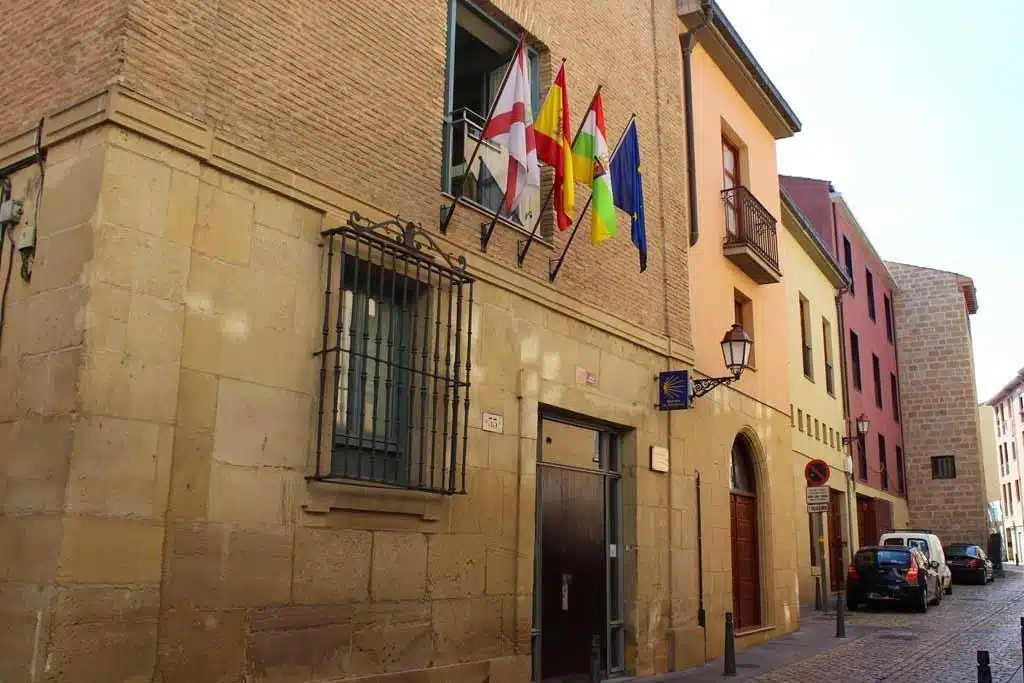
Criticisms from the Jacobean world
The associations linked to the Camino have not been slow to react.
The decision to close the hostel at this time is especially criticized, considering it a lack of planning and sensitivity towards the pilgrim.
The message is clear:
👉 the pilgrim is the essence of the Camino
And decisions like this directly affect that essence.
Tourism vs traditional hospitality
The root of the problem goes beyond a specific closure.
The Camino is changing.
Today two realities coexist:
- the traditional pilgrim
- and the passing tourist
Added to this is the growth of:
👉 private accommodations
👉 tourist apartments
👉 premium services
Meanwhile, the network of public shelters remains limited.
Improvisation as a solution
Due to the lack of places, many pilgrims are forced to:
- search for alternative accommodation
- pay higher prices
- or even continue walking without resting
This breaks one of the pillars of the Camino:
👉 the welcome
Because the Camino is not just walking.
It's about arriving... and finding a place.
A problem that is getting worse
The Logroño case puts an uncomfortable reality on the table.
The Camino continues to grow.
But its structure does not always accompany that growth.
And when it fails...
👉 it is paid by the pilgrim
The big question
Is the Camino prepared for this level of demand?
Because if closing a shelter for a few weeks causes this effect...
👉 the problem is not the closure
👉 is the system
The Camino continues… but with warnings
Despite everything, the Camino continues.
The pilgrims continue to arrive.
They keep walking.
They continue to seek their experience.
But with increasing difficulties in some key points.
And Logroño, this time, has been the perfect example.

















