The Portuguese Way of Santiago returned to place Portugal and Galiza on the same table. On November 5 and 6, 2026, you will receive more than twenty international specialists to discuss the past or present and the challenges of a journey that has already passed the 112 thousand pilgrims this year. Near the Holy Year of 2027, the relationship between you and Valença becomes especially relevant for those who live, work or walk along the itinerary.
The international colloquium “O Camino Portugués: past, present and future of the singular xacobean route” begins on fifth day, November 5, in the Camilo José Cela Sociocultural Space, in Tui. An initiative promoted by the Xunta de Galicia, under the coordination of the International Committee of Road Specialists of Santiago, in collaboration with the municipality of Tui and other institutions.
Xosé Merelles, director of Tourism of Galiza, will participate in the opening; Enrique Cabaleiro, president of the municipality of Tui; José Manuel Carpinteira, president of the Municipal Chamber of Valença; e Antonio Valín, bishop of Tui-Vigo. The presence of two autarchies reminds us of a reality that pilgrims know well: the political border ends at the Minho River, but the experience of the road crosses its two margins.
More than 112 thousand pilgrims on the Portuguese Way in 2026
The data released at the opening of the meeting indicate that more than 112 thousand pilgrims will travel the Caminho Português since the beginning of 2026, an increase of about 14% for the corresponding period of 2025. Approximately 75 thousand, or 67%, will see the other. There are only numbers that help explain why the reason for the growth of the business now requires reflection on its management.
Portugal emerges among the main international origins, along with the United States, Italy and Germany. But the growing interest should not be reduced to statistics. Every pilgrim needs comprehensive signage, reliable information, accommodation, security and a route that respects the communities they pass through.
The program also distinguishes the challenges of the Central Portuguese Road and its coastal variant. Quem escolher a rota you can also consult our article about The differences between the Portuguese Road on the Coast and inland. The diversity of itineraries is a richness, as long as it does not compromise the clarity of information aimed at the pilgrim.
Valença and Tui, two cities with a common responsibility
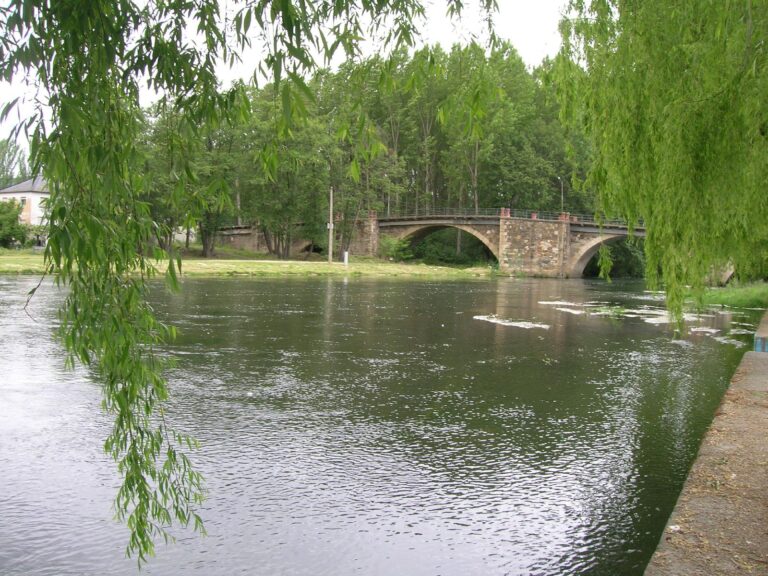
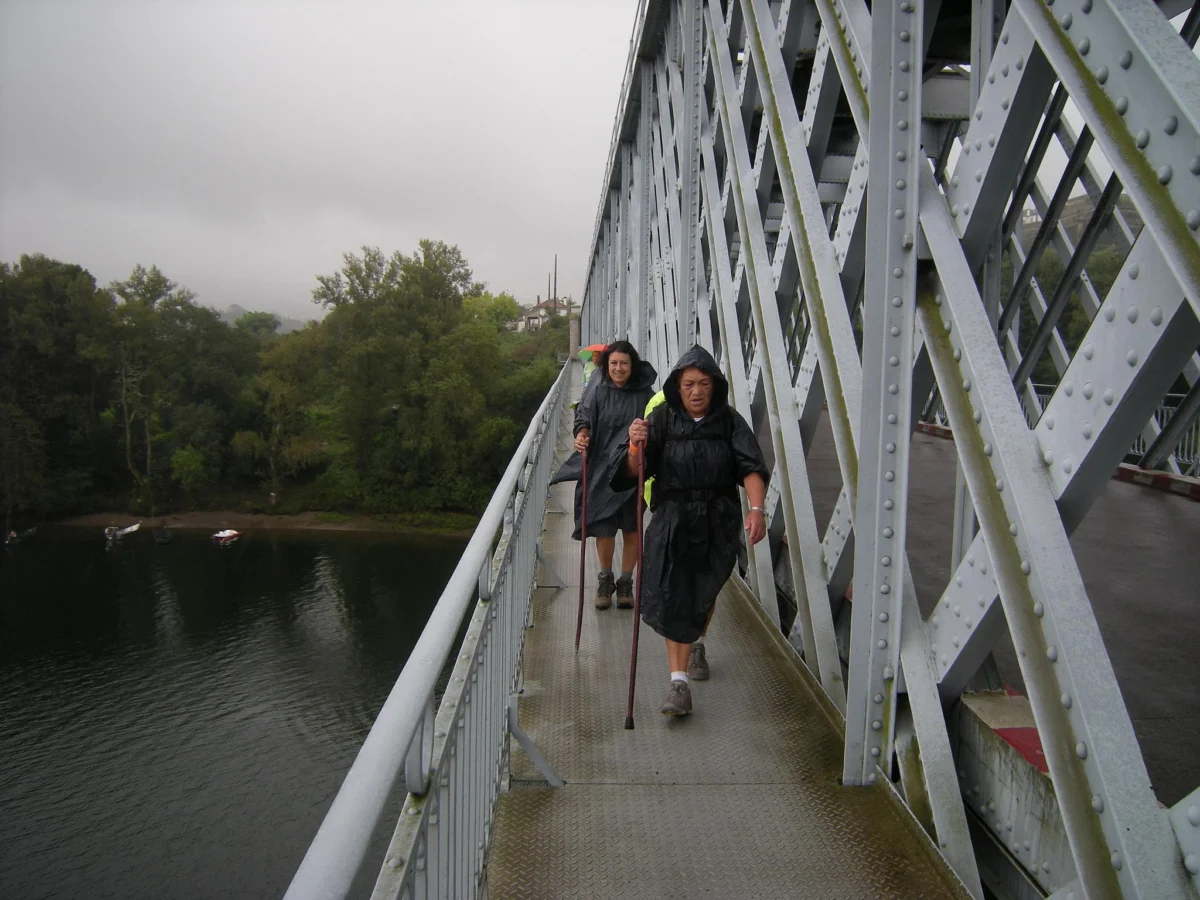
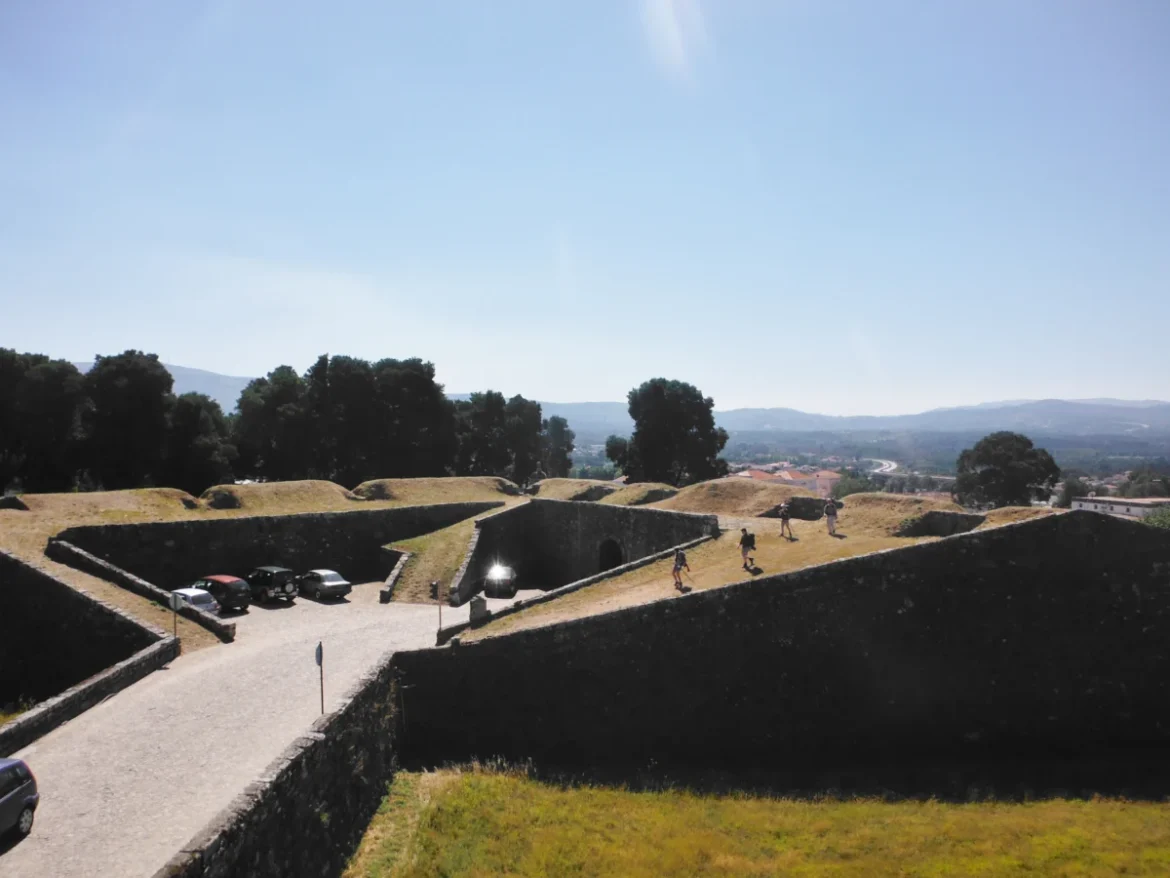
The International Bridge between Valença and Tui is one of the two most symbolic places of this pilgrimage. Nela, the walkers cross the Minho River, leaving Portugal and entering Galiza. For many, the route begins in Porto, in Lisbon or in our new Portuguese town; For others, the trip begins precisely at Eurocidade.
This passage allows us to understand the role of a cooperation that goes beyond tourism promotion. By signalization, or support, the services and conservation of heritage benefit from a view divided between the two margins. The municipality of Tui remembers that the city is one of the entrance gates of the Portuguese Road in Galiza and an important starting point for Santiago.
It is precisely for this reason that he found that he dedicates space to certification and to the different management models of business. The fifth-fair session included the participation of Paulo Almeida Fernandes and Ana Rita Dias, of the Portuguese Road Federation of Santiago, among other participants. The program discusses the challenges of a decentralized Portuguese network and the need for clear reconstitution standards.
Hospitality and communities: the sixth fair debate
On the sixth fair, November 6, the program provides sessions dedicated to the sustainable development of communities and the presence and support of pilgrims. Researchers linked to the University of Minho, the University of Santiago de Compostela and other institutions attempt to analyze the economic and social effects of pilgrimage, including the particular case of the Eurocidade Tui-Valença.
A central quest is to know how to distribute the benefits of the Road without losing its identity. The increase in efforts can help small businesses, accommodations and local services, but also forces us to discuss the pressure on the spaces, conservation of life and balance with the daily life of those residing in the localities crossed.
Jacobean hospitality deserves your own attention. Associações de Amigos do Minho de Portugal e da Galiza participate in a debate on the different ways of supporting walkers. This is a dimension that does not always appear in promotional campaigns, and is one of the reasons why many pilgrims return or recommend the experience.
The heritage of Tui and the 800 years of the cathedral
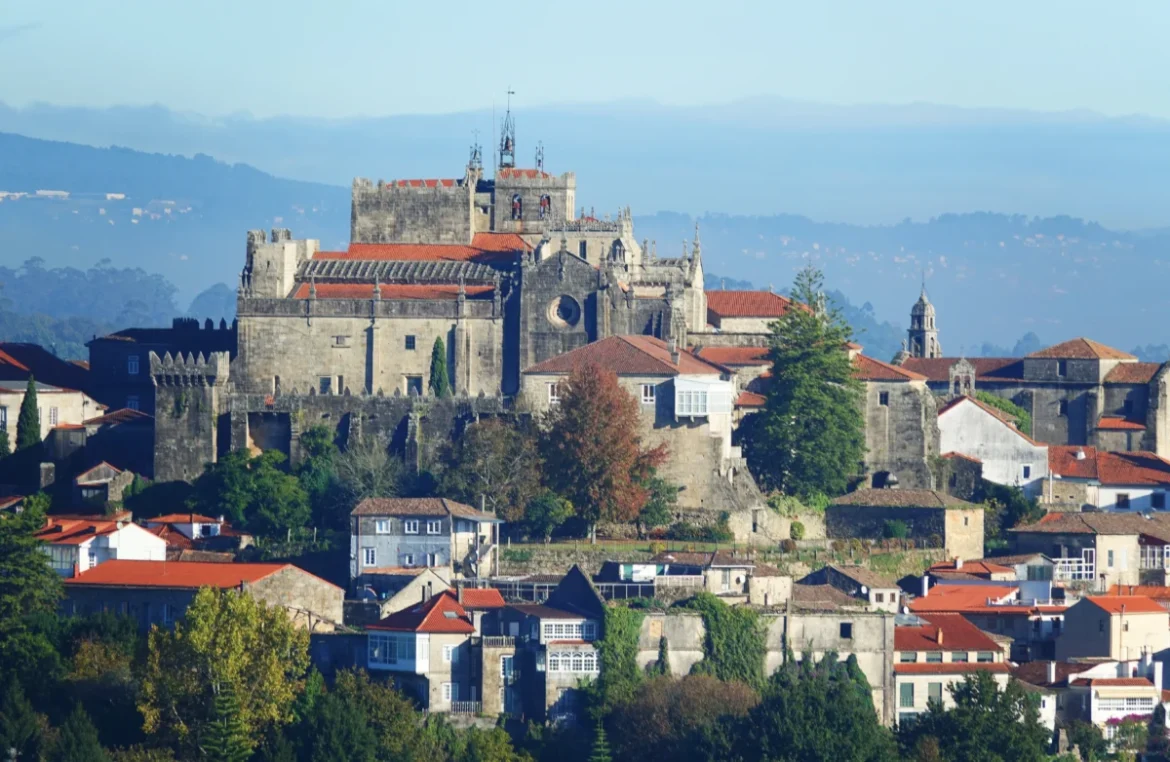
The debate about the future does not outline the past. The program dedicates a session to the 800 years of the consecration of the Cathedral of Santa Maria de Tui, one of the great heritage references of the Portuguese Way. Architecture, religious history and links to pilgrims are only addressed by specialists, including Marta Cendón Fernández and Carmen Manso Porto.
To cross Tui on foot, the cathedral is not just a tourist image. In the historic center, walking up the old streets and passages next to churches and convents helps explain how to make a pilgrimage to the city for two centuries. Realizing this context makes the stage more significant and offers reasons to remain in the municipality for some time.
RTV Caminho de Santiago has already announced the realization of the meeting in the news “Your debate or future of the Portuguese Road”. As the colloquium is now in progress, attention is shifting from expectation to the issues actually placed on the agenda: growth, certification, heritage, sustainability and support.
The sixth-fair program also included a reflection on the limits of the Caminho promotion and a confinement conference by Francisco Singul. At the time of this publication, the final conclusions have not yet been disclosed, so it would be premature to present definitive proposals or agreements that have not been confirmed.
For Portugal and Galiza, the real challenge is not just to receive more pilgrims: it is to guarantee that the Portuguese Way continues to be a safe route, well cared for and faithful to the hospitality that is special.
Sources: Council of Tui, official program of the colloquium; Alto Minho Weekly, November 5, 2026; Diario de Santiago, November 5, 2026.