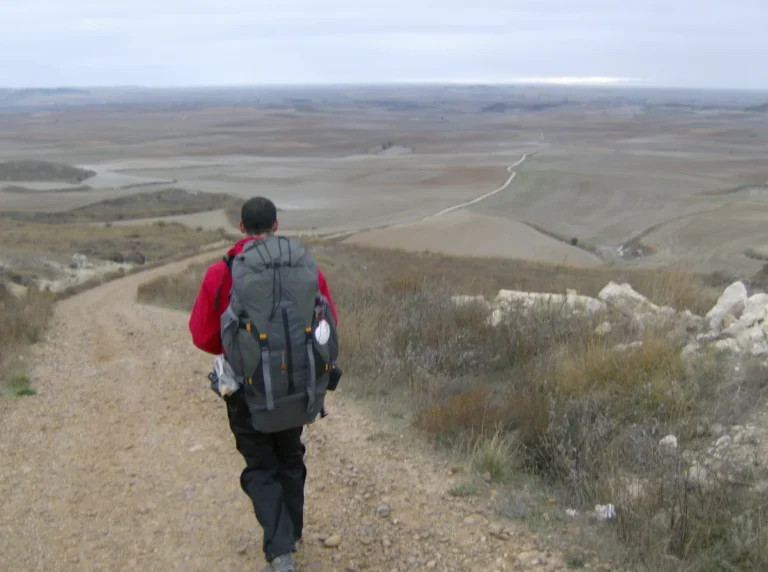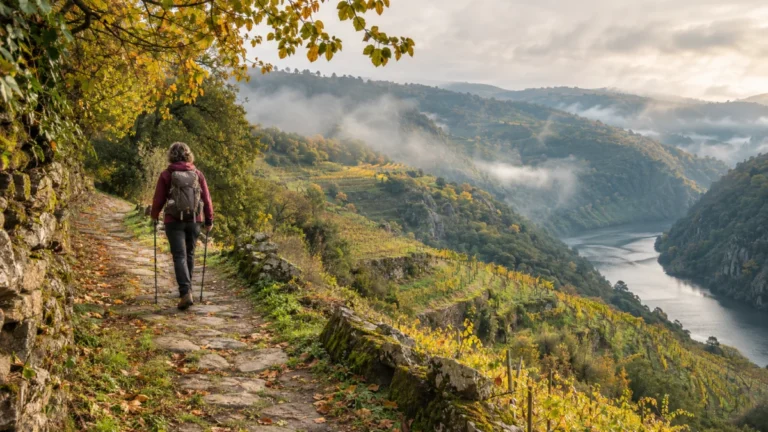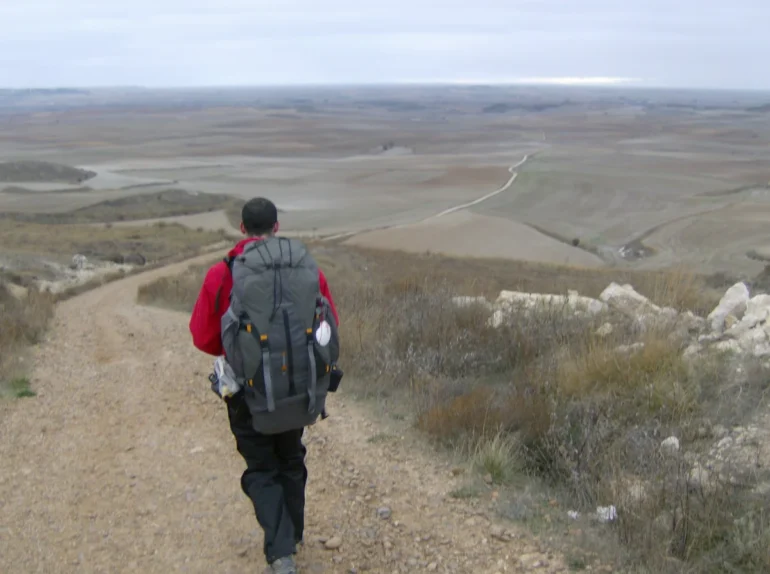
Who takes care of the Camino de Santiago when the pilgrims leave their stages behind? In Ávila, the Gredos Scout Group wants to give a practical answer. Its “Guardianes del Camino” initiative has been selected among five projects in the Sponsorship Plus category of the LIBERA Project in Spain, according to information released this Thursday, November 5. The proposal seeks to prevent abandoned waste and turn respect for the Jacobean environment into a shared task.
The project will be developed on the Camino de Santiago as it passes through the province of Ávila and will have the collaboration of Jacobean associations, social entities and biodiversity specialists. The news is especially interesting because it talks about maintenance, education and participation, three aspects that usually receive less attention than the tourist promotion of the routes.
Scouts of Ávila: guardians against garbage
"Garbage" is the name used by the LIBERA Project, promoted by SEO/BirdLife and Ecoembes, to refer to waste that ends up abandoned in natural environments. On a pilgrimage route, this problem can appear in ditches, paths, rest areas and spaces close to population centers.
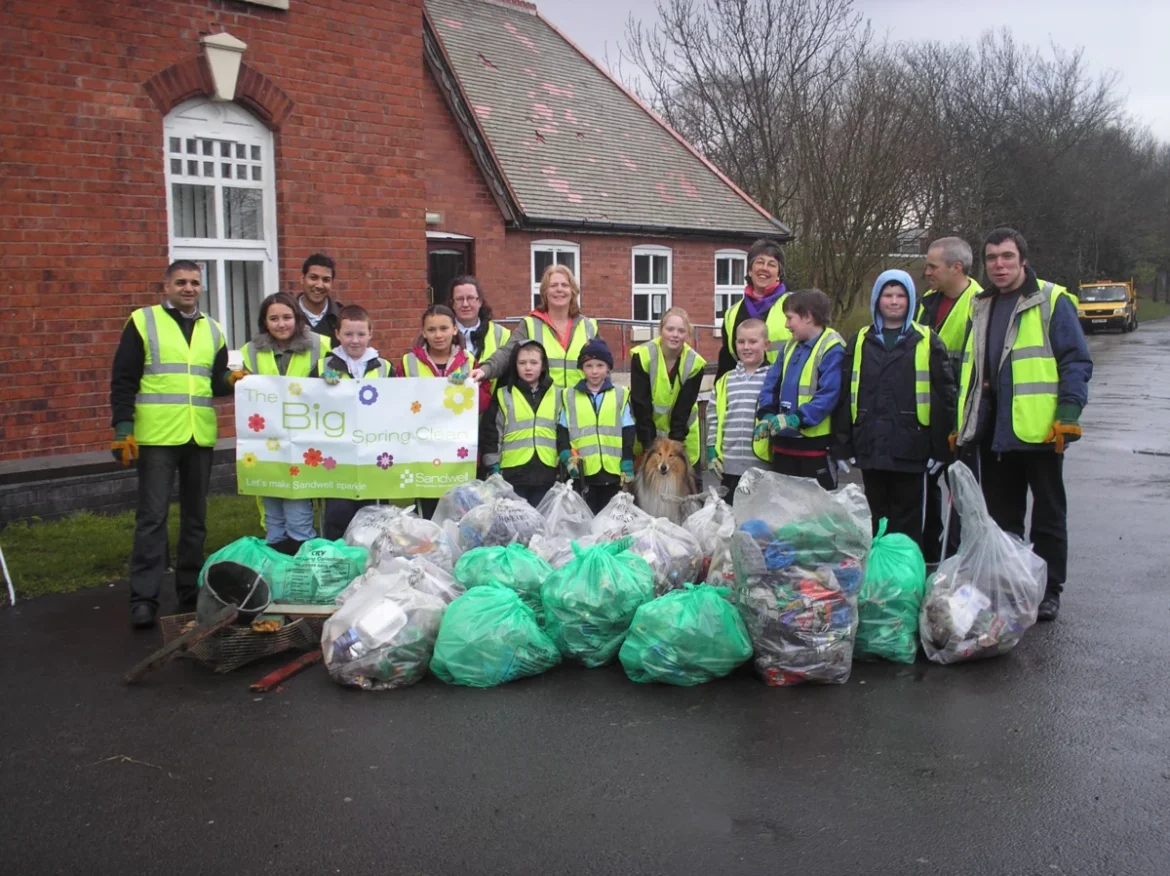
The proposal of the Ávila scouts is not limited to removing waste. It aims to work on prevention and awareness, so that participants understand what consequences waste has and how they can be avoided. Youth participation is a central part of that approach: observing, getting involved and learning to care for the places that are shared.
An alliance that unites environmental protection and inclusion
One of the most interesting features of “Guardians of the Path” is the relationship between different groups. The Association of Friends of the Camino de Santiago de Ávila He will contribute his knowledge of the route and the conservation needs of the itinerary.
Down Avila will participate from the inclusion of people with Down syndrome, while Autism Avila It will contribute to opening spaces of participation for autistic people. For its part, SEO/BirdLife Ávila It will add knowledge about biodiversity and nature protection.

Ávila, a Jacobean territory that also needs care
The province of Ávila is part of the itinerary of the Levante and Southeast Road, a road that connects routes from the Mediterranean with the west of the peninsula and the network that leads to Santiago. The tourist portal of Castilla y León includes the passage of the route through towns and enclaves in Avila, including the city of Ávila.
Just a few weeks ago, Ávila celebrated its Jacobean Week to publicize this less frequented route. In our information about the vindication of the Avila Way We remembered that behind the itinerary there are associations, heritage and people who keep it alive.
What each pilgrim can do to leave a cleaner Camino
The scouts' announcement invites us to look at the daily gestures of those who walk. The Civil Guard, in its official recommendations for the Camino de Santiago, asks to use the garbage disposal points, respect plants and animals and avoid inscriptions or graffiti on stones, milestones and signs.
A first habit is to save packaging and small waste until you find a container. In rural sections, a light reserve bag avoids leaving waste behind when the next town is far away. Cigarette butts must also be collected; Throwing them in the bush adds pollution and can create risks.
This issue is not new to RTV readers. We have already reported illegal dumping reported by pilgrims and of proposals to improve recycling linked to the Camino. The difference between the Avila initiative is the prominence that young people will have and the collaboration between social entities.
It remains to be seen how exactly the project will develop, which sections will be prioritized and what activities will be open to the public. This is information that will allow us to assess its scope when the actions are completed. Meanwhile, national recognition gives visibility to a simple idea: the Camino is a historic route that needs attention every day, even when there are no big events.
The best sign of respect for the Camino de Santiago is that whoever passes behind finds the path as clean as the first one should have found.
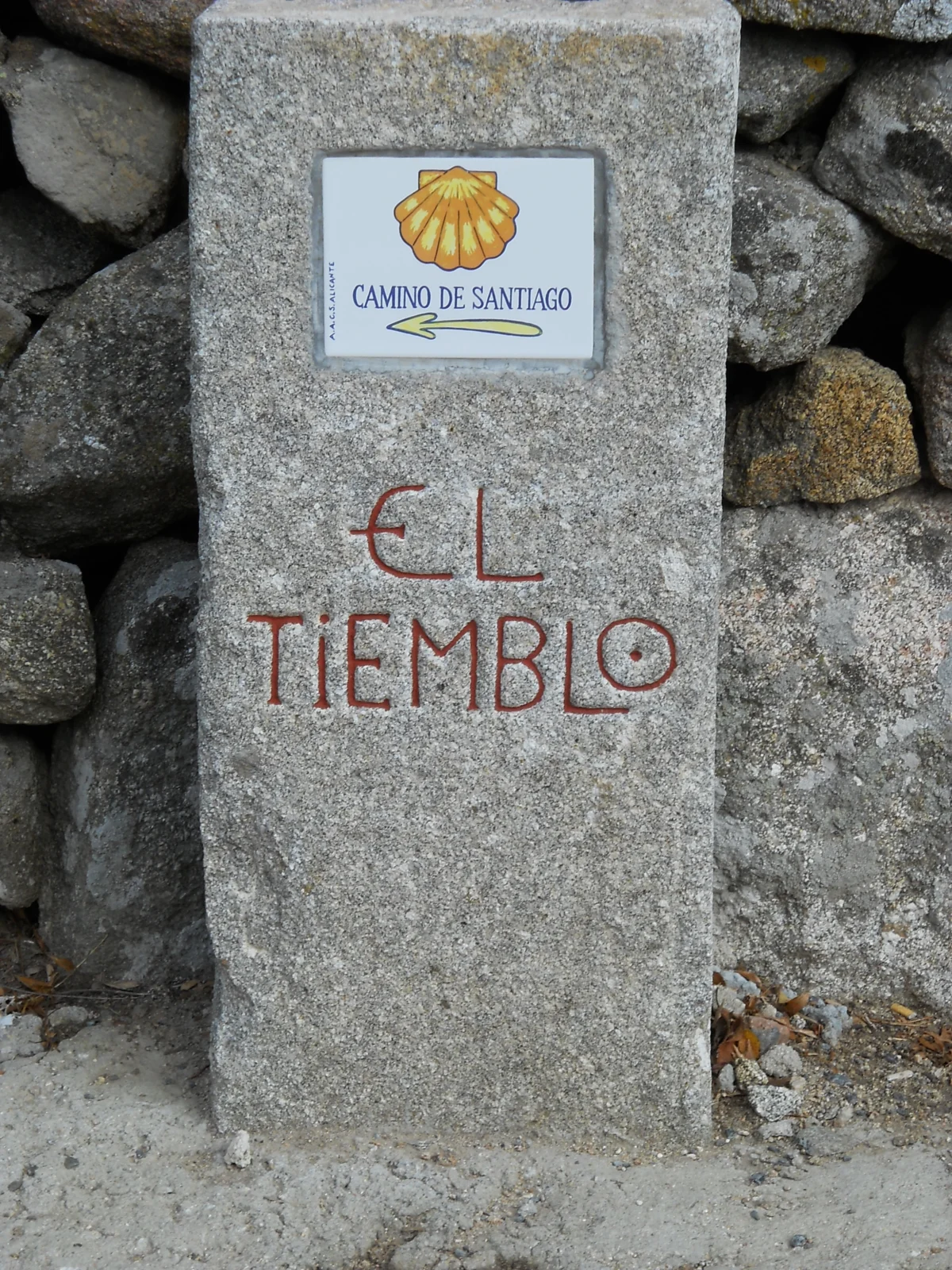
Cover image: sign for the Camino de Santiago in El Tiemblo (Ávila). Photo: Cruccone · CC BY 3.0 · Wikimedia Commons.
Sources: Ávilared; Ávila Tribune; LIBERA Project; Tourism of Castilla y León; Civil Guard.