The Camino de Santiago does not have to mean busy hostels, queues for beds or long lines of pilgrims. Beyond the most popular sections of the Camino Francés and Portuguese routes, Spain still has extraordinary Camino routes where it is possible to walk for hours with little company, discover small villages and experience a much quieter pilgrimage.
For many people, the image of the Camino de Santiago has changed.
The route is more popular than ever, and during certain months some sections can become extremely busy. The final 100 kilometers of the Camino Francés, especially between Sarria and Santiago, attract large numbers of pilgrims every year.
But that is only one Way.
Spain is crossed by a network of historic pilgrimage routes, and several of them still offer something that many modern pilgrims are actively searching for: space, silence and a slower way of walking.
Here are five Camino routes worth considering if you want to escape the crowds.
1. Winter Road
The Winter Road is one of the best alternatives for pilgrims who want to reach Santiago without following the busiest sections of the Camino Francés.
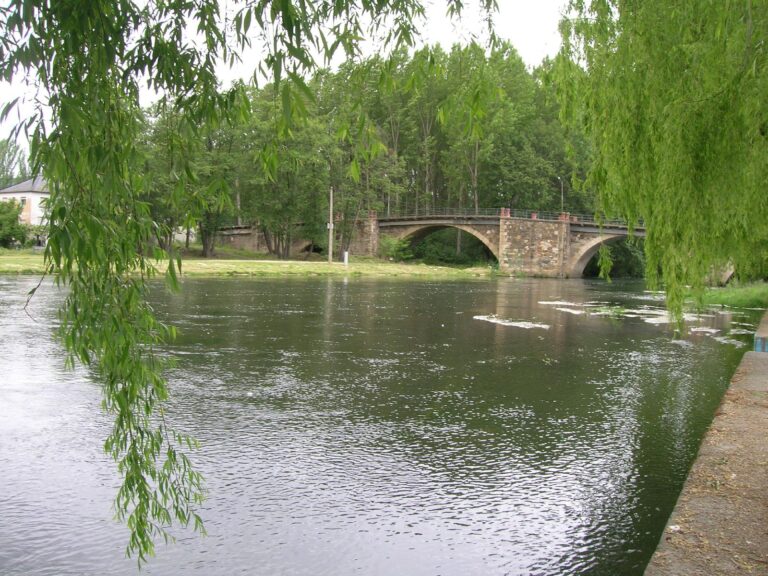
The route traditionally leaves the Francés around Ponferrada and heads through the landscapes of El Bierzo and southern Galicia before joining the final approach towards Santiago.
Its name comes from its historical purpose.
Pilgrims could use this route to avoid the difficult winter conditions of the mountains around O Cebreiro.
Today, its attraction is different.
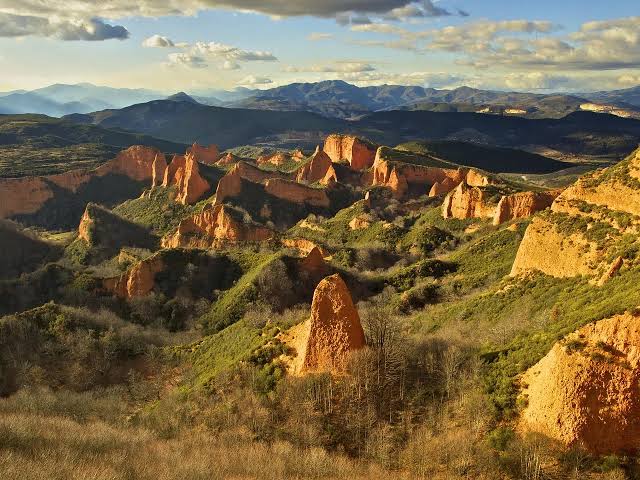
It offers spectacular landscapes, vineyards, river valleys, historic villages and considerably fewer pilgrims than the Camino Francés.
For walkers looking for solitude without giving up good cultural and natural interest, it is one of the most interesting choices.
2. Camino Sanabrés
The Sanabrés Road is another route where the Camino can still feel remarkably quiet.
It develops from the Vía de la Plata and enters Galicia through the southeast before continuing towards Santiago.
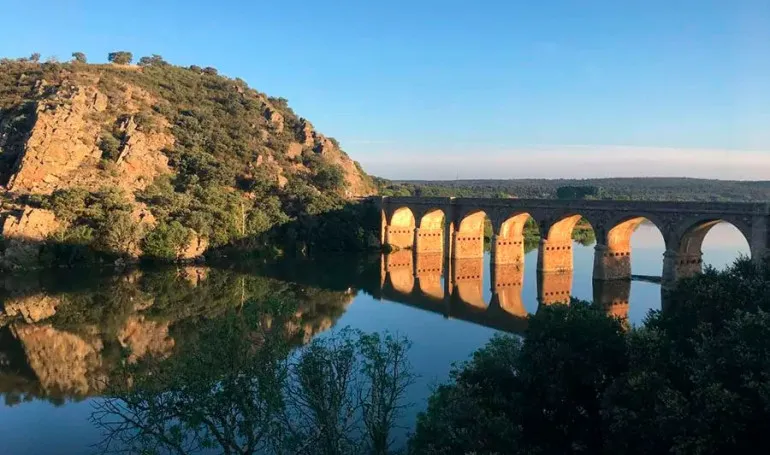
This is a Camino of long landscapes, old villages, forests and historic towns where the presence of pilgrims is noticeable but rarely overwhelming.
Walking here can feel completely different from arriving in Sarria during the high season.
Some days, you may meet only a handful of other pilgrims.
That solitude is precisely what attracts many people.
But it also means that pilgrims should prepare their stages carefully because services can be more widely spaced.
3. Forgotten Path
Its name already tells part of the story.
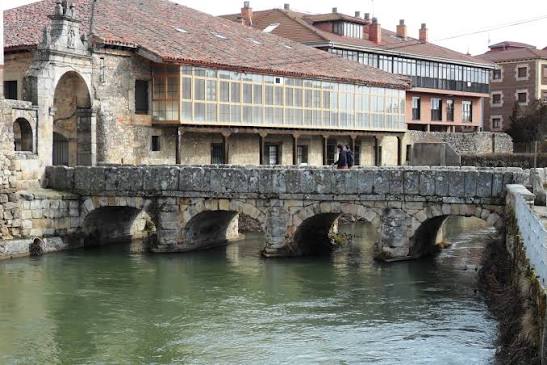
The Forgotten Path, or Forgotten Camino, crosses northern Spain through landscapes that remain largely unknown to international pilgrims.
It passes through mountain areas, valleys and small communities before eventually connecting with routes towards Santiago.
For centuries, these northern paths formed part of the network used by pilgrims traveling west.
Later, other routes became more prominent and much of this Camino faded from general awareness.
Today it is being recovered and promoted again.
That makes it particularly attractive for experienced pilgrims who want to discover a Camino before it becomes widely known.
Here the experience is often much closer to walking through rural Spain than following a major tourist itinerary.
4. Via de la Plata
The Silver Way It is one of the longest and most impressive routes towards Santiago.
Starting in southern Spain, traditionally from Seville, it crosses vast landscapes through Extremadura and western Spain before connecting with routes that continue towards Galicia.
Its scale alone changes the experience.
Distances can be long.
Temperatures can be demanding.
Services are sometimes separated by many kilometers.
But the reward is extraordinary.
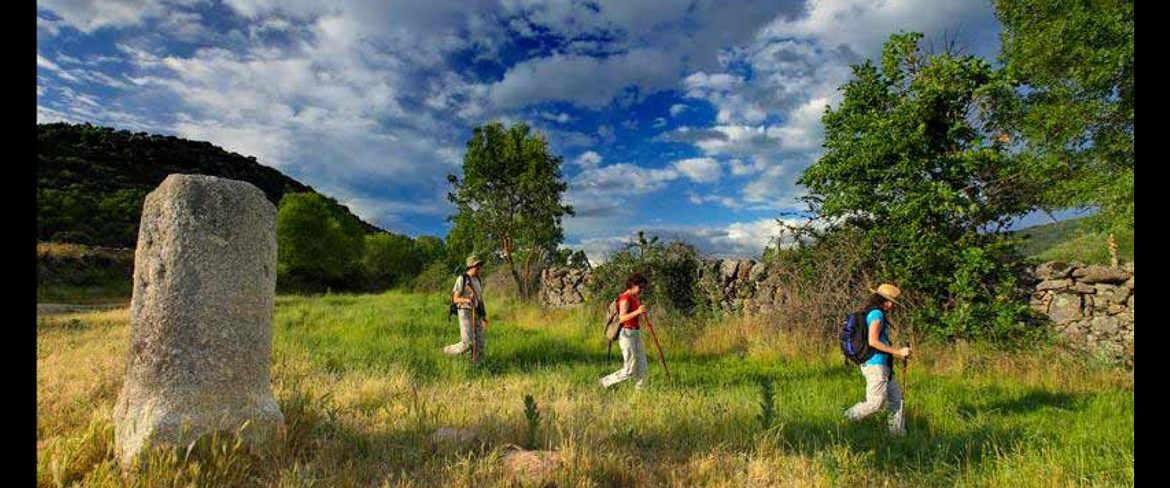
Roman heritage, huge open landscapes, historic cities and long sections where the pilgrim can walk almost completely alone.
This is not usually the first Camino recommended to someone looking for an easy introduction.
But for those who already understand long-distance walking, it can offer one of the deepest experiences on the entire Jacobean network.
5. Camino Inglés
The English Way is not unknown, but it remains significantly quieter than the busiest sections of the Camino Francés.
Historically, pilgrims arriving by sea from Britain, Ireland and northern Europe landed in Galician ports before continuing on foot to Santiago.
Today, the main routes begin around Ferrol and A Coruña.
The Camino Inglés has several advantages.
It is relatively short.
It has strong historical identity.
And it allows pilgrims with limited time to experience a complete route without starting from Sarria.
It can become busier at certain times of year, particularly closer to Santiago, but for much of the journey it still offers a calmer experience than the main Camino Francés.
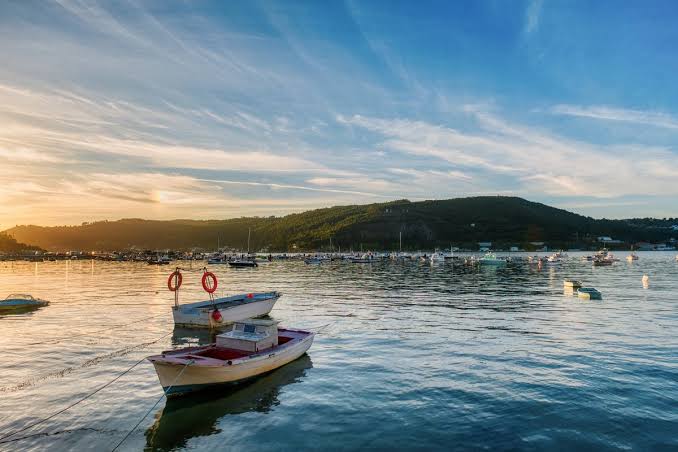
Fewer pilgrims also means fewer services
There is an important trade-off.
Escaping the crowds often means escaping the infrastructure that comes with them.
On quieter Caminos, pilgrims may find fewer hostels, restaurants, shops and transportation options.
Stages sometimes require more planning.
Booking ahead can still be useful in small villages where accommodation is limited, even when there are very few pilgrims.
It is therefore important not to confuse a quiet Camino with an easy Camino.
Sometimes the opposite is true.
The reward: silence
What these routes offer is something increasingly valuable.
Silence.
There are stretches where the sound of walking replaces conversation.
Where you can enter a village without seeing another backpack.
Where a small hostel becomes a meeting place instead of a dormitory full of dozens of people.
For some pilgrims, that is precisely what they imagined the Camino would be.
There is no single Camino de Santiago
The enormous popularity of the Camino Francés has sometimes created the impression that the Camino is one single route.
It is not.
It is a network.
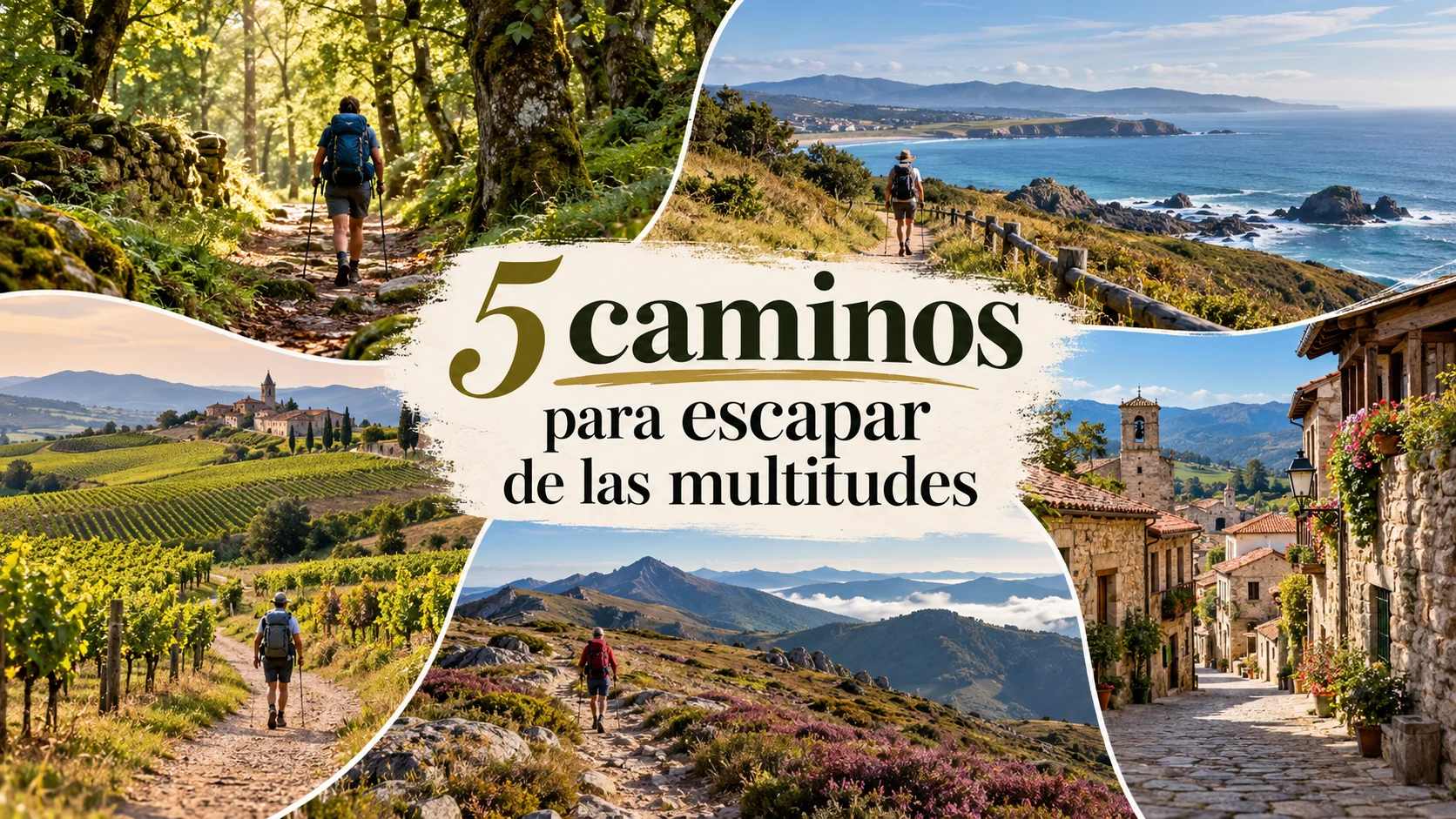
Some Caminos cross mountains.
Others follow coastlines.
Some pass through vineyards.
Others cross immense plains.
And some are still quiet enough to offer the feeling of discovery.
If your idea of pilgrimage involves fewer people, more silence and a little more uncertainty, perhaps the best Camino is not the most famous one.
Sometimes the Camino you are looking for is the one almost nobody else has chosen.
-

English Way passes 30,000 pilgrims
The English Way has crossed a symbolic barrier before the end of the year. More than 30,000 pilgrims have already completed the Camino Inglés in 2026, allowing the route to surpass the total recorded during the whole of 2025 while there are still more than two months left before the end of the year. The…
-
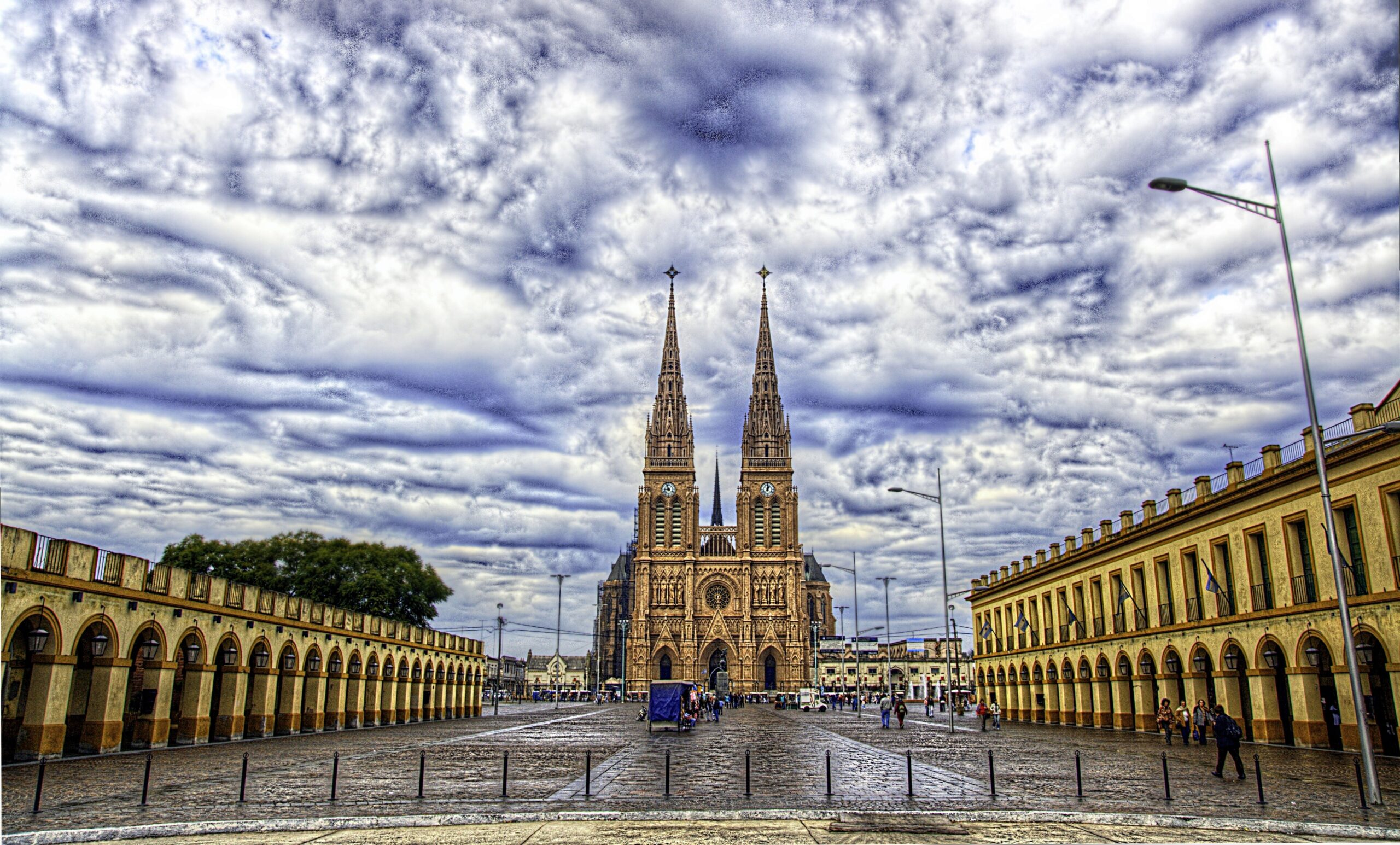
Luján promotes religious tourism
Luján has just taken a step that goes far beyond organizing a massive pilgrimage. The Argentine city wants to convert the experience accumulated over decades receiving millions of faithful into a model of cooperation between some of the great Marian sanctuaries in Latin America. The First Ibero-American Forum of Marian Cities, held on…
-
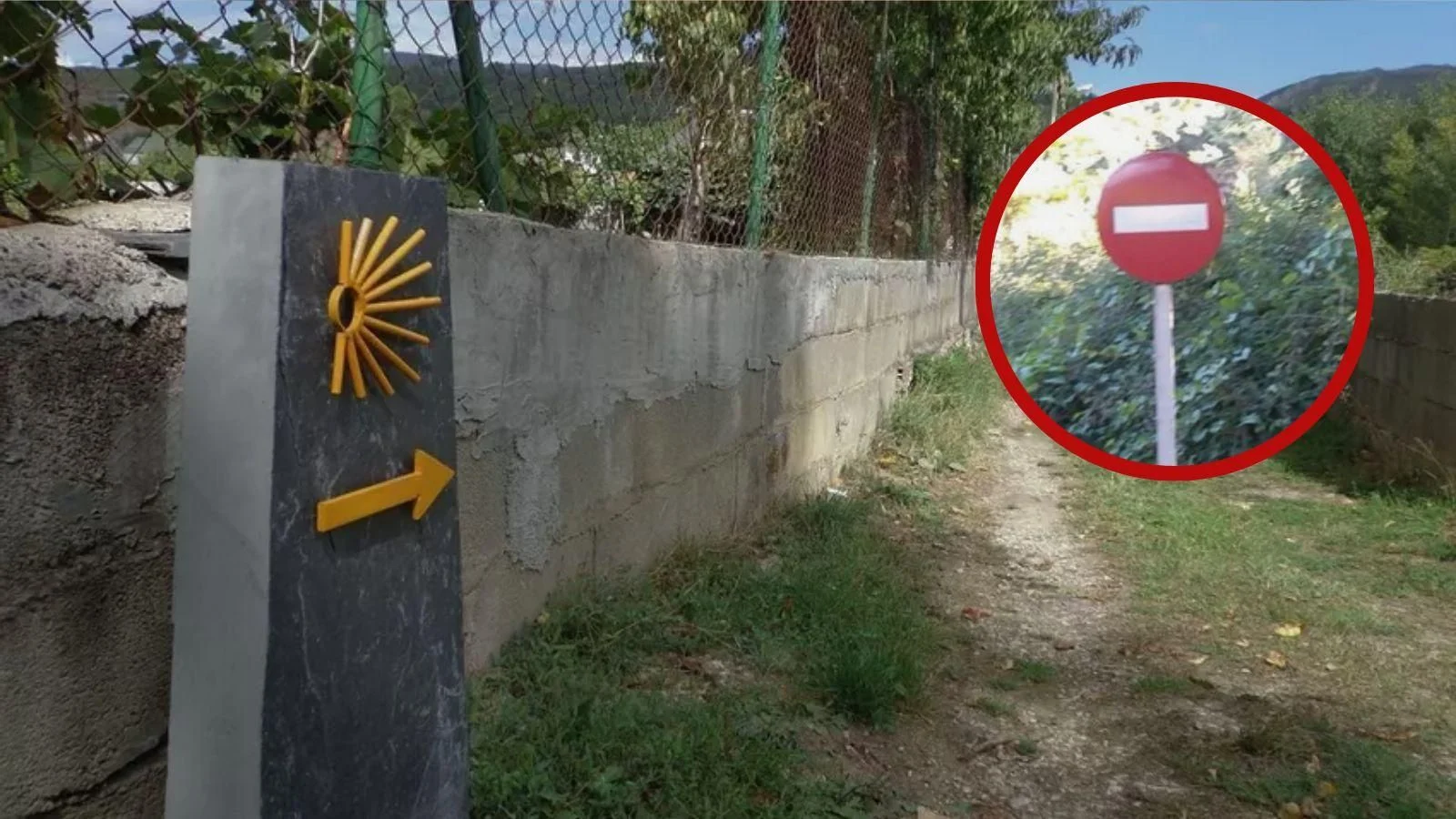
The sign that baffles pilgrims
On the Camino de Santiago one soon learns to look at the signs. Yellow arrows, scallops, cairns and small indicators become inseparable companions for hundreds of kilometers. But in Vilamartín de Valdeorras, in the middle of the Camino de Invierno, a traffic sign has achieved precisely the opposite: attracting attention and causing surprise among those...