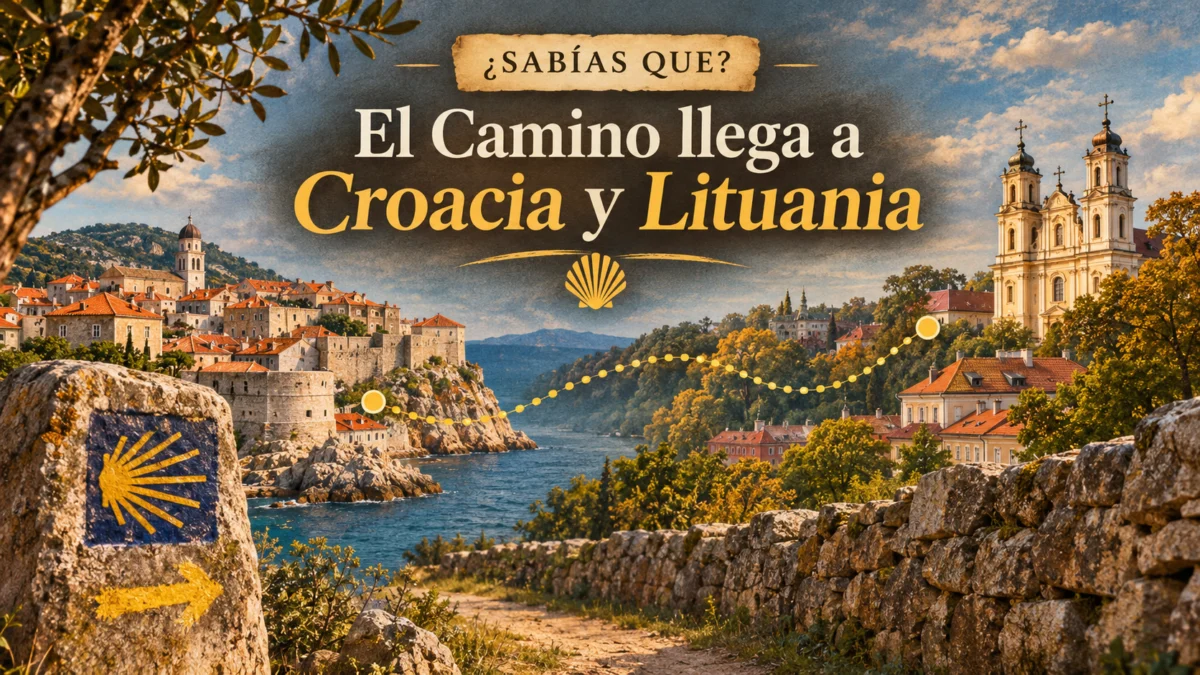
Who keeps the Camino de Santiago growing thousands of kilometers from Galicia? The Elías Valiña Awards ceremony held in Santiago de Compostela on November 4, 2026 has focused on those who recover, signpost and publicize Jacobean routes in other countries. The Confraternity of Saint James of Croatia, distinguished in a call decided months before, and the work of Laima Liucija Andrikienė in Lithuania star in a history of international projection and associative work.
The ceremony allows us to look beyond the number of pilgrims who arrive in Santiago each year. A Jacobean route needs associations to explain it, volunteers to take care of the marks, communities willing to welcome walkers and people to connect institutions. This work, often discreet, explains why the tradition of pilgrimage to Compostela has a presence in places that a few years ago barely appeared on Jacobean maps.
Recognition of the Croatian entity is not a decision announced for the first time this week. The distinction had already been announced in February 2026 and RTV Camino de Santiago reported on it then. The news of November is the presentation of the awards in Santiago, a good time to review what it means to take the Camino to other territories.
Croatia: marked paths to walk towards Santiago
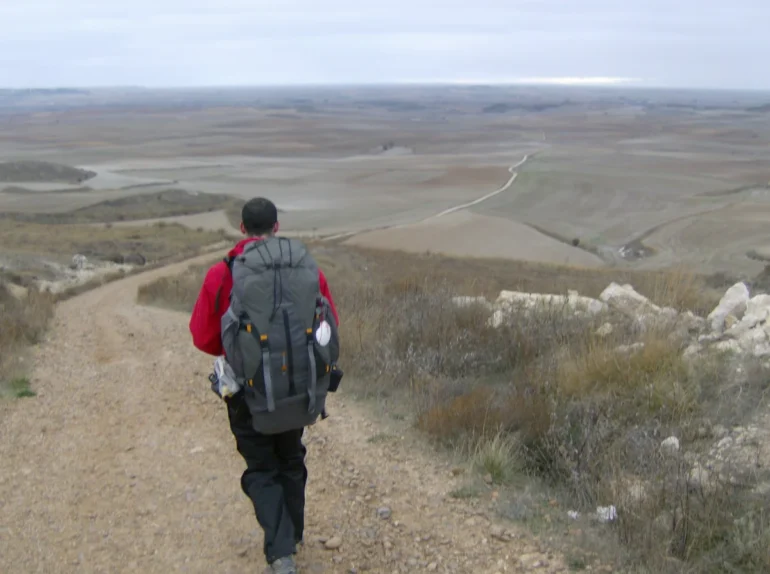
The Confraternity of Saint James of Croatia has contributed to recovering and disseminating itineraries linked to the Jacobean tradition. Its activity has made it possible to put a network of more than 2,387 signposted kilometers on the map and promote a way of traveling on foot that unites nature, history, spirituality and local communities.
The project has a peculiarity: it is not intended to replace the Camino that reaches Compostela. It proposes recovering European connections and offering walkers routes with their own identity. The stages, the stamps, the practical information and the involvement of associations are familiar tools for any pilgrim who has traveled the roads of Spain.
One of the known itineraries is the Krk Trail, on the Croatian island of the same name. Its coastal landscape and its towns show how a common tradition can take different forms depending on the territory. For those who only know the French or Portuguese Way, discovering these routes offers another perspective on the international dimension of the Jacobean movement.
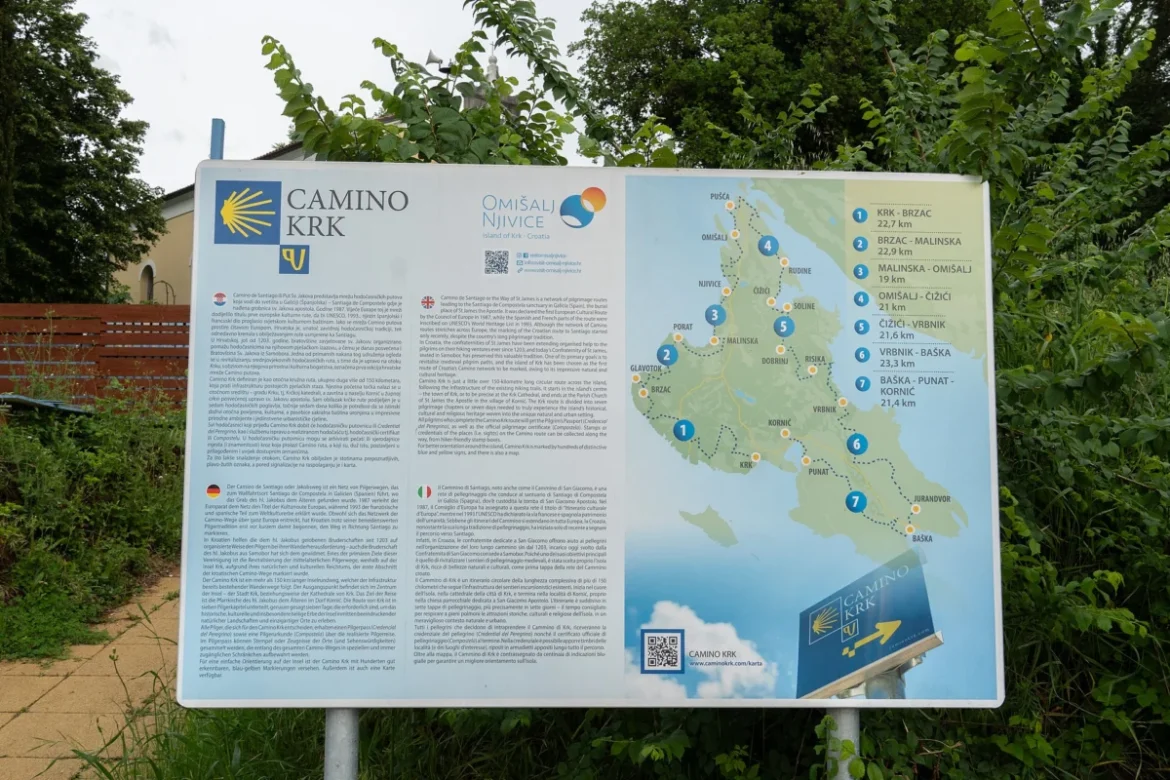
RTV Camino de Santiago already explained the route of this initiative when publishing the news Saint James Confraternity of Croatia: Elías Valiña Award. The November ceremony adds institutional visibility to the work that the entity has been doing for years.
A special mention for the Jacobean impulse in Lithuania
The projection of the Caminos de Santiago in the Baltic also occupies a place in these recognitions. Laima Liucija Andrikienė received a special mention for her contribution to disseminating and consolidating the Jacobean routes in Lithuania, a country where the relationship with European heritage and pilgrimage initiatives has gained greater presence.
The international dimension of the Camino is recognized in projects like this: local associations, cultural initiatives, public entities and pilgrims build networks that do not depend solely on their arrival in Galicia. For those who begin to walk in their own country, the symbol of Santiago can open a door to the shared history of Europe.
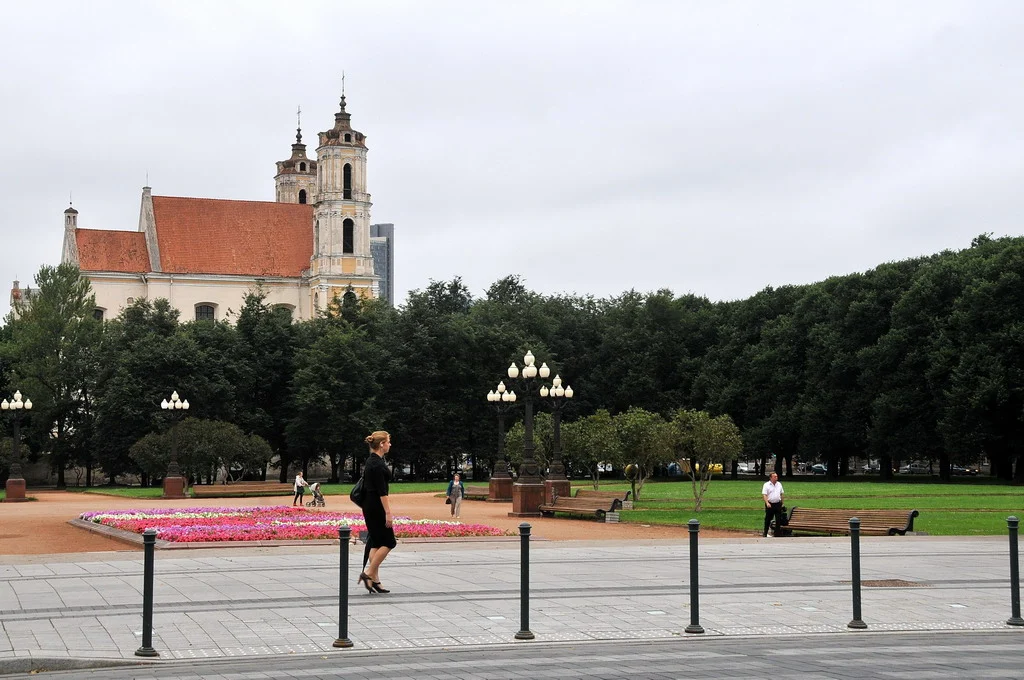
On our website we have followed other news from the Lithuanian Jacobean movement, such as the development of Santiago routes in Lithuania and the celebration of international religious tourism meetings. They are signs that interest in the Camino is not limited to those who can immediately travel to Galicia.
Elías Valiña: the legacy of the one who made the Camino visible
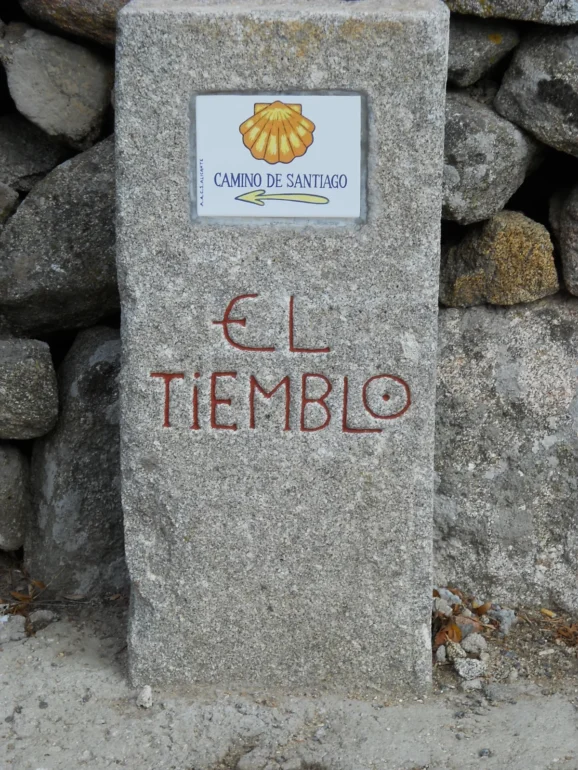
The awards are named after Elías Valiña, a priest from O Cebreiro linked decisively to the contemporary revival of the Camino de Santiago. His figure is especially remembered for the promotion of signaling with yellow arrows, which ended up becoming one of the most recognizable symbols of the pilgrimage.
That an award with his name recognizes entities that develop routes outside of Galicia has a coherent reading. An arrow can guide a walker, but behind it there are usually people who check the crossings, maintain the signs and ensure that the route has continuity and meaning.
We have also remembered on RTV the history of the yellow arrow and the people who helped popularize it. Ultimately, the message of these recognitions remains the same: a living Camino needs continued work, not just celebrations.
The Camino extends when it is also cared for
The international expansion of the Jacobean tradition opens opportunities for culture, responsible tourism and exchange between territories. But it poses well-known challenges for Spanish associations: reliable signage, conservation of trails, services for pilgrims, updated information and respect for local heritage.
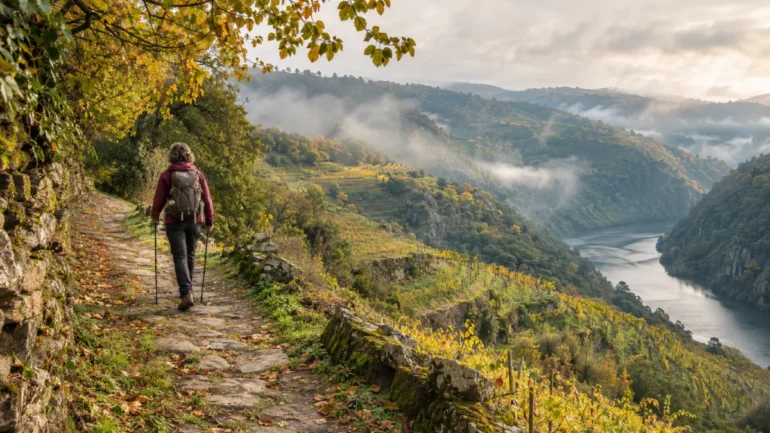
That is why it is convenient to observe these awards from the daily experience of the walker. The value of a route is not measured only by its kilometers or the photographs it generates. It is proven when someone can travel through it without getting lost, find welcome and understand what makes each town they pass through unique.
The delivery of the Elías Valiña Awards in Santiago thus offers news that transcends the ceremony. It recognizes those who work so that the Camino has roots in other countries and so that the pilgrimage continues to be a meeting between people and cultures.
The best way to keep Elías Valiña's legacy alive is to ensure that, wherever a yellow arrow appears, there is also a community committed to the walker.
Sources: Galician Newspaper; institutional information from the Xunta de Galicia on the Elías Valiña Awards.