



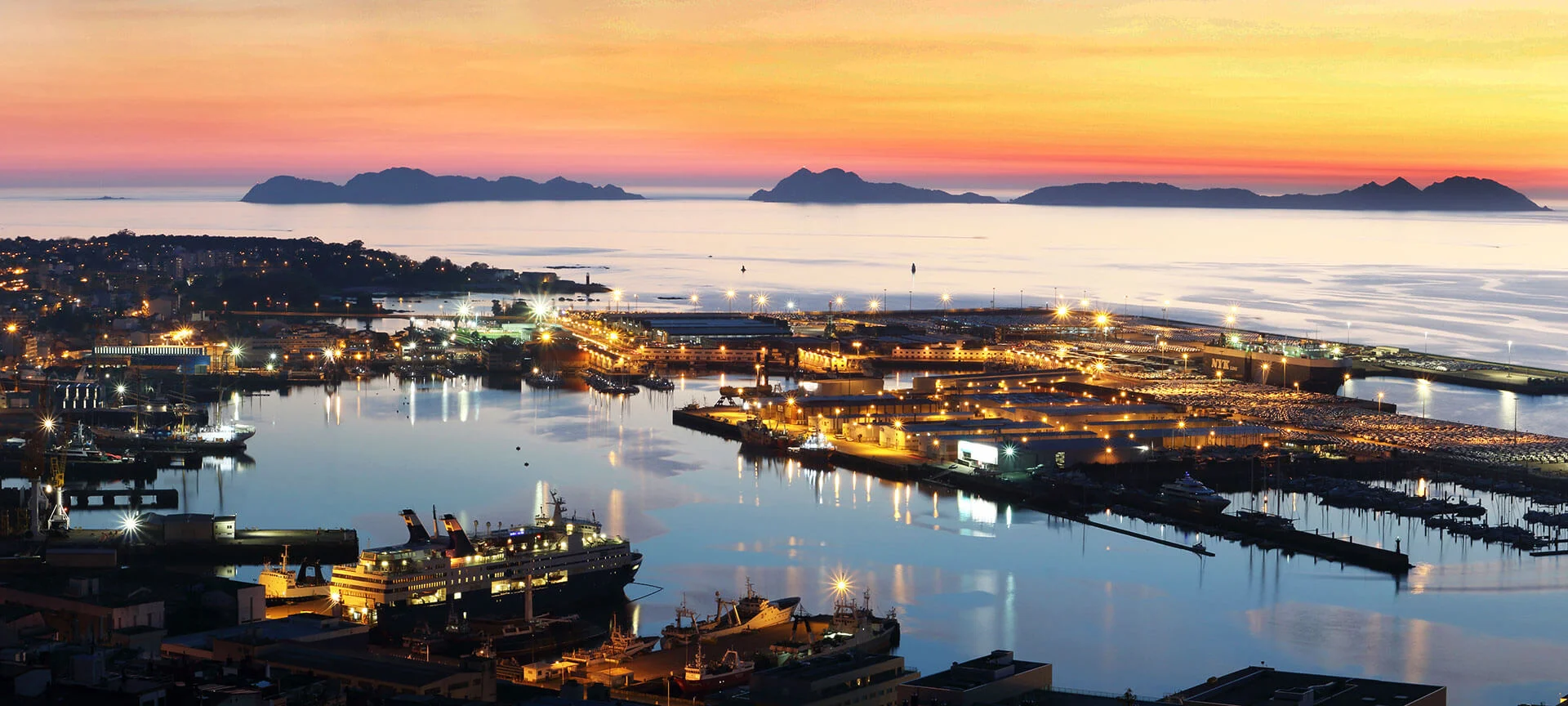
The "Blind Spot" of the Camino: Vigo, the Only City in Europe without Jacobean Signage
Can you imagine arriving at a big city following the route of the Camino de Santiago and suddenly all the yellow arrows disappear? It seems like an orientation challenge, but it is the daily reality of thousands of pilgrims when they arrive at Vigo.
Despite being a key piece of the Portuguese Coastal Route, the Olympic city holds a title that no one would want: being the only city on the entire European continent that does not allow the installation of official Camino signage.
A Controversy that Doesn't Stop: Xunta vs. Council
The news has come to the fore again after the statements of the territorial delegate of the Xunta in Vigo, Ana Ortiz, during the inauguration of a new Information Point in the PortoCultura dock.
The situation is, to say the least, paradoxical:
- Unstoppable Growth: It is estimated that the Portuguese Coastal Way will close in 2025 with about 90,000 pilgrims.
- The Void of Signs: While the number of walkers increases, in the streets of Vigo there is still no trace of the traditional bronze shells or the yellow arrows that guide the pilgrim in the rest of the world.
Why is signage important?
For those who have not walked, it may seem like a minor detail, but for the pilgrim, the signage is:
- Security: Prevents walkers from getting lost in complex urban environments, ending up in industrial areas or dangerous roads.
- Identity and Economy: The arrows indicate local businesses (hospitality and commerce) that are in the transit area, promoting the neighborhood economy.
- Respect for Tradition: The Camino is a European cultural itinerary; Hiding their brands is, for many, turning their back on a shared heritage.
A New Information Point to Alleviate the Lack of Arrows
Given the municipal refusal to signpost the streets, the Xunta has reinforced attention to pilgrims by opening this new Information Point in PortoCultura, right where many visitors disembark. It is an attempt so that the walker does not feel helpless when entering the city.
It is difficult to explain that, in the 21st century and with the worldwide success of the Jacobean phenomenon, there is an "island" without signs in the middle of one of the most beautiful routes in Galicia. The pilgrim community continues to wait for politics to give way to hospitality and for the arrows to shine again in the streets of Vigo.
Have you passed through Vigo doing the Camino? Did you have a hard time finding your way out of the city? We want to know your experience in the comments!

















