When Juana Hernández and Juanma Santana started working in a rural hotel in Cruz de Tejeda, they discovered that walkers arrived from other countries looking for a Camino that many residents of Gran Canaria barely knew about. For Juana, on the other hand, making a pilgrimage to Tunte was part of family history. Today, now retired, the two continue giving directions to those who want to cross the island on foot to Gáldar.
An interview published by 20 minutes It shows how they went from serving travelers in the hotel to helping them on their own. The initiative was born in 2015, when work took them to Cruz de Tejeda. From there they saw a specific difficulty: the walkers arrived with questions about how to continue, who to ask for a stamp or what transportation they could use to return.
A pilgrimage that Juana knew at home
Juana remembers that her father would set out a few days before July 25, the feast of Santiago, accompanied by other neighbors. They went to Tunte, the name by which the town of San Bartolomé de Tirajana is also known. That family practice helps to understand why the island route retains a link with local pilgrimages even when today it attracts people from outside.
Oral tradition links the origin of the devotion in Tunte with some sailors who survived a shipwreck and carried an image of Santiago inland. The Spanish Federation of Associations of Friends of the Camino de Santiago dates back to 1965 with a documented episode in the contemporary history of this pilgrimage: the granting, during the pontificate of Paul VI, of jubilee graces linked to the Jacobean temple of Gáldar.
The work that begins before the first stage
Under the name of Pilgrims Gran Canaria, the couple began to guide walkers independently. According to Juana's story, they prepared their own credential, a seal and signs. They also explain how to get around by public transport and where to look for accommodation. The hotel experience showed them what doubts appear when someone arrives on an island they don't know and wants to start walking on their own.
The author Isabel Albella Sánchez contributed to disseminating the itinerary with My path between volcanoes, published in 2017, as Juanma remembers. RTV already dedicated an entry to Path between Volcanoes. The couple's story allows us to see the welcoming work behind a mountain route and what information the pilgrim needs to organize.
From Maspalomas to Gáldar, with room to divide the stages
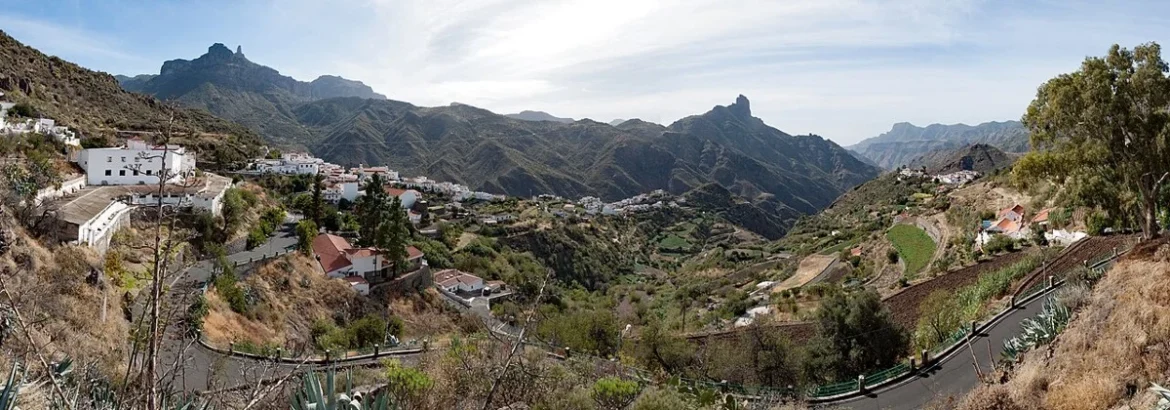
The Federation of Associations It includes three main stages: Maspalomas to Tunte, Tunte to Cruz de Tejeda and Cruz de Tejeda to Gáldar. Its file estimates the main route at 69 kilometers. The municipal portal of Tunte Jacobeo He rounds it up to about 70 and estimates about 2,700 meters of accumulated ascent. The figure of 66 kilometers collected in the interview is another reference to the route. To calculate a day, it is advisable to start from the map and the chosen variant.
There are several ways to get from Maspalomas to Tunte, including those that pass through Fataga or Ayagaures. Juana and Juanma suggest spending five days if you want to walk more calmly. Before deciding where to split the stages, check the location of accommodation, water points and transport options. In the mountainous part, the slope has as much influence as the distance on the time you will need.
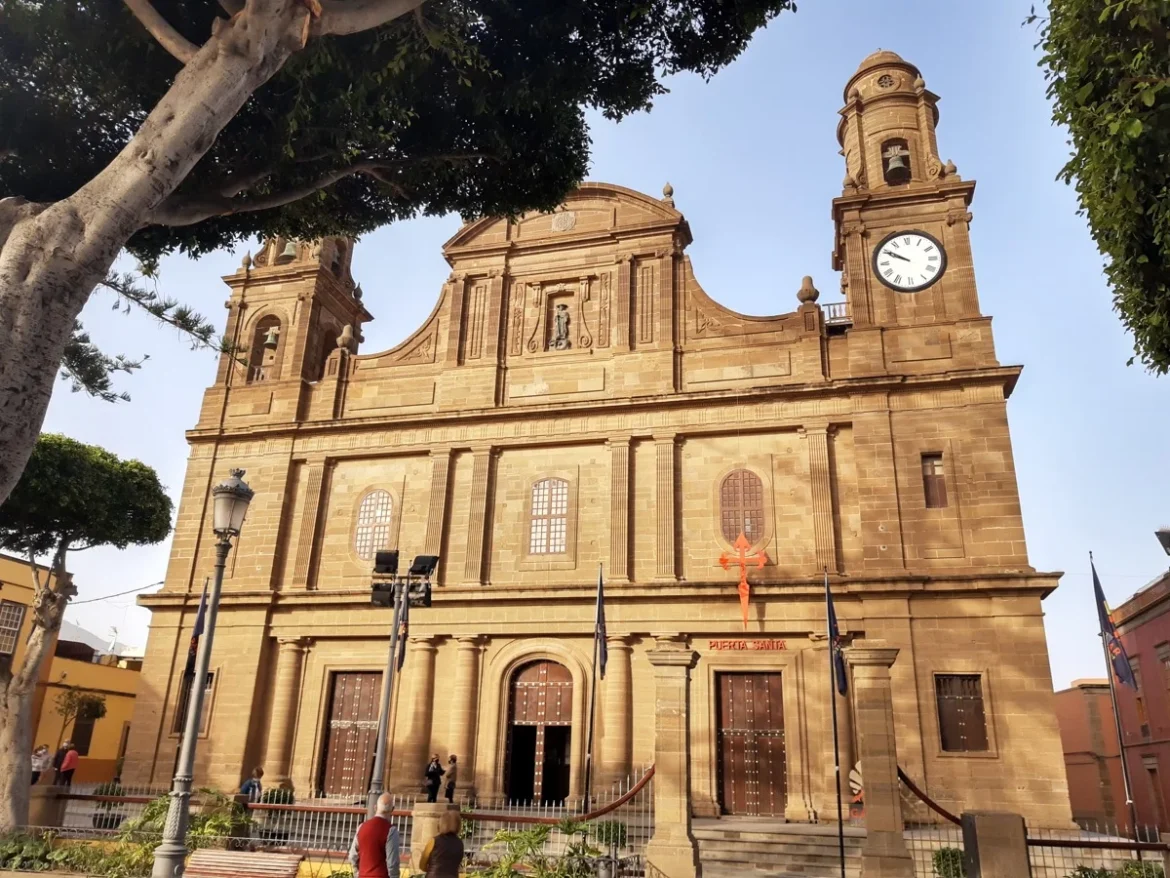
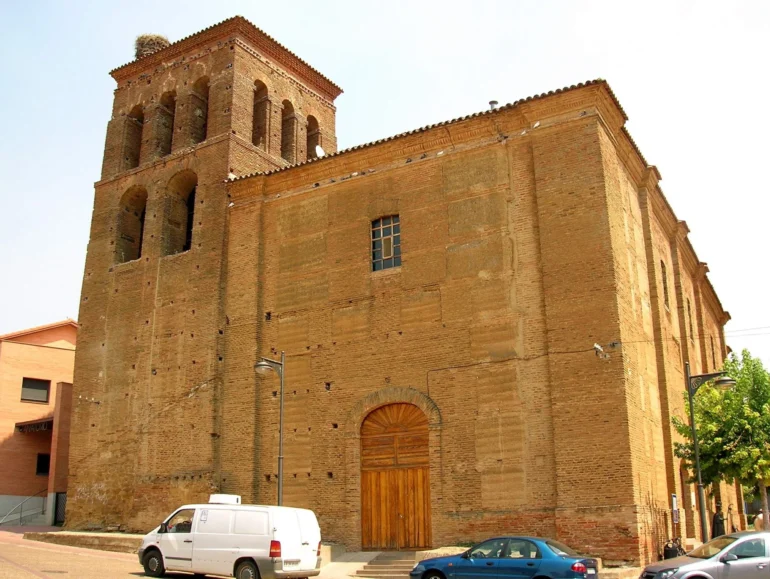
The itinerary ends at the church of Santiago de los Caballeros, in Gáldar. To organize the trip, it is advisable to first decide which variant you are going to climb to Tunte and then adjust the nights to the rhythm of each pilgrim.
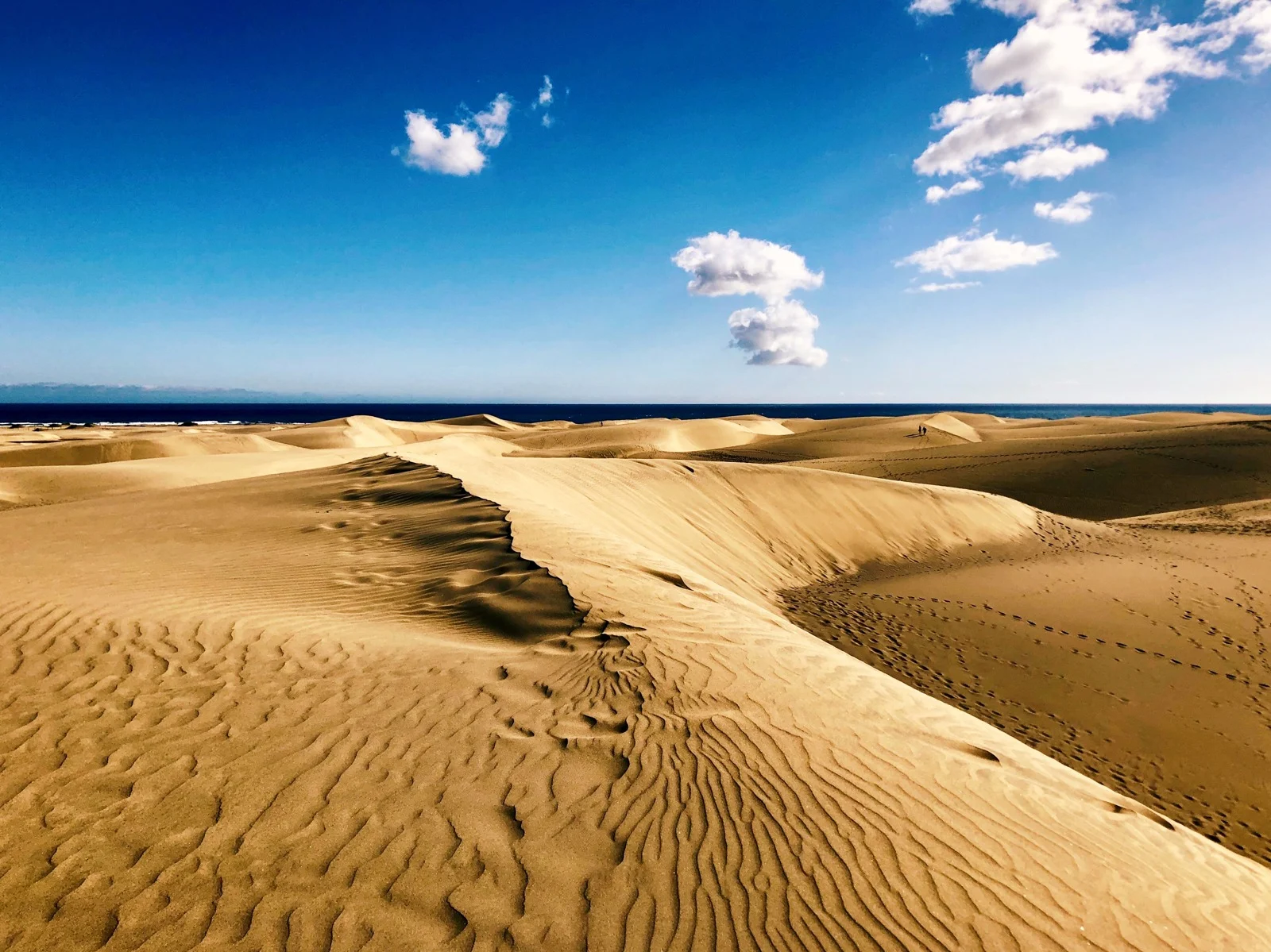
Sources: 20 minutes, Spanish Federation of Associations of Friends of the Camino de Santiago y Tunte Jacobeo. Cover: Maspalomas dunes, Marcela Střelcová / Wikimedia Commons, CC BY-SA 4.0. Resized image.
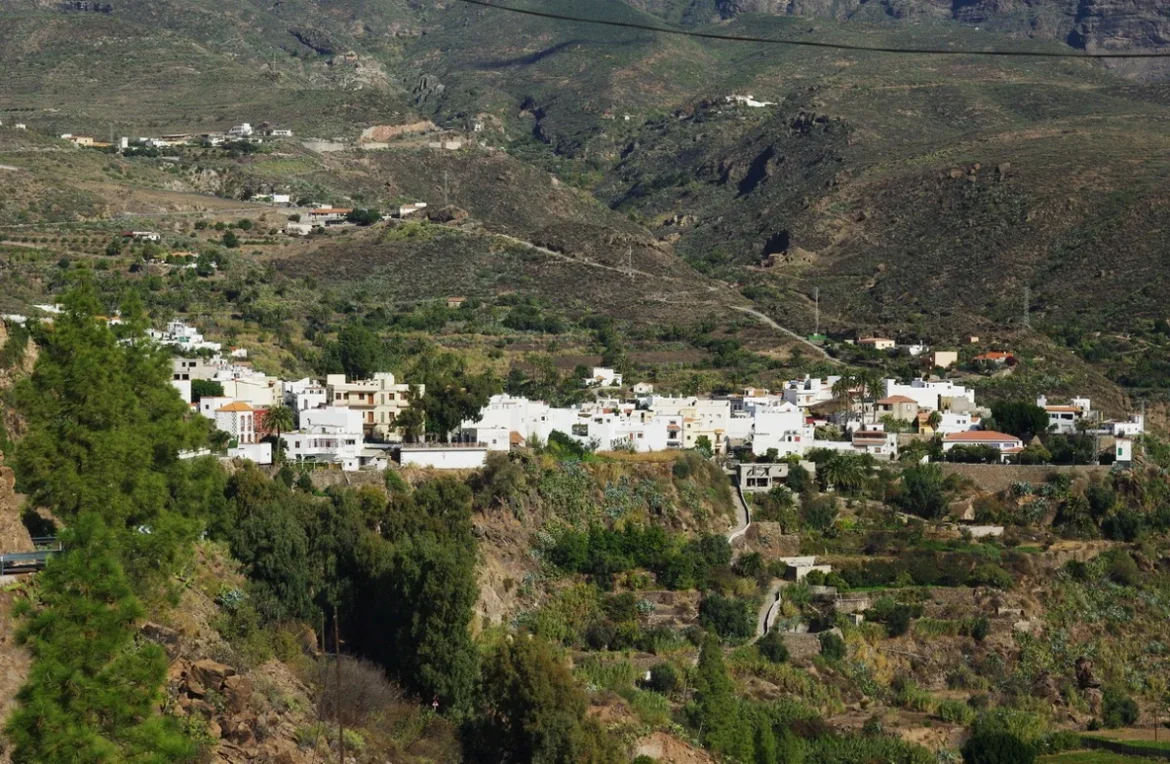
Images: Photo by Bgabel / Wikimedia Commons, CC BY-SA 3.0 | Zell/Wikimedia Commons, CC BY-SA 3.0 | Photo by Gerda Arendt / Wikimedia Commons, CC BY-SA 4.0.