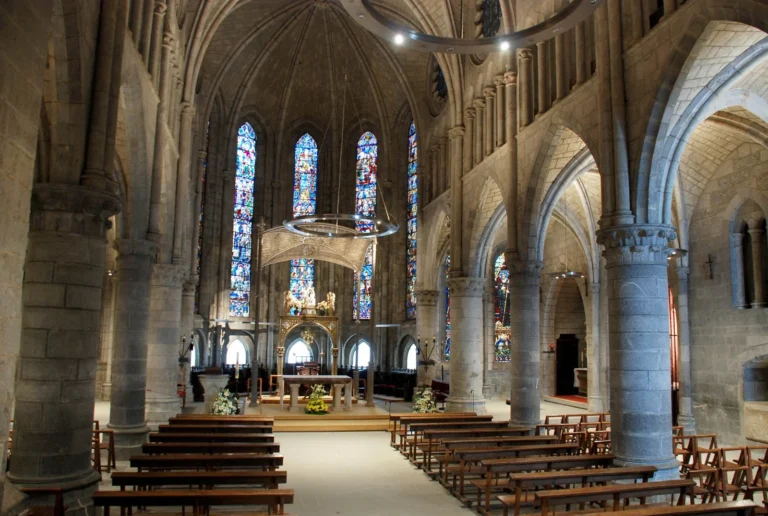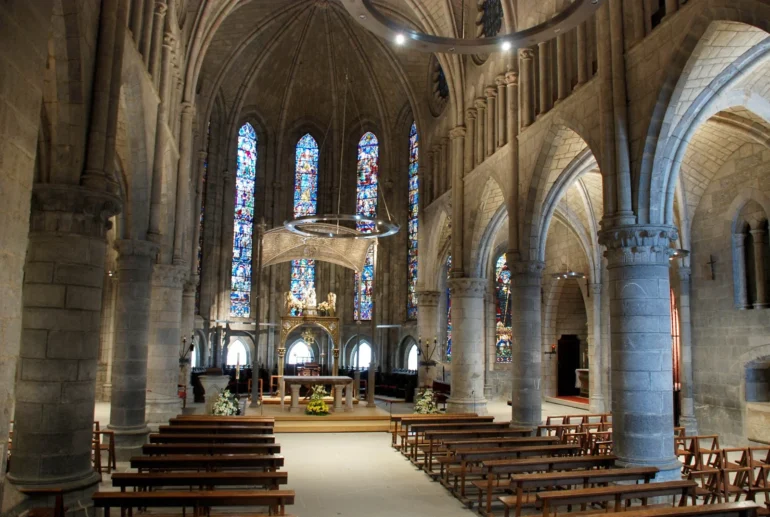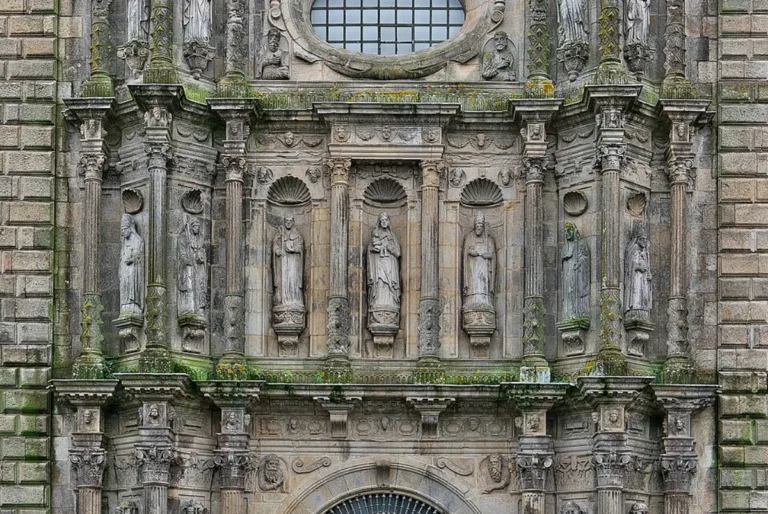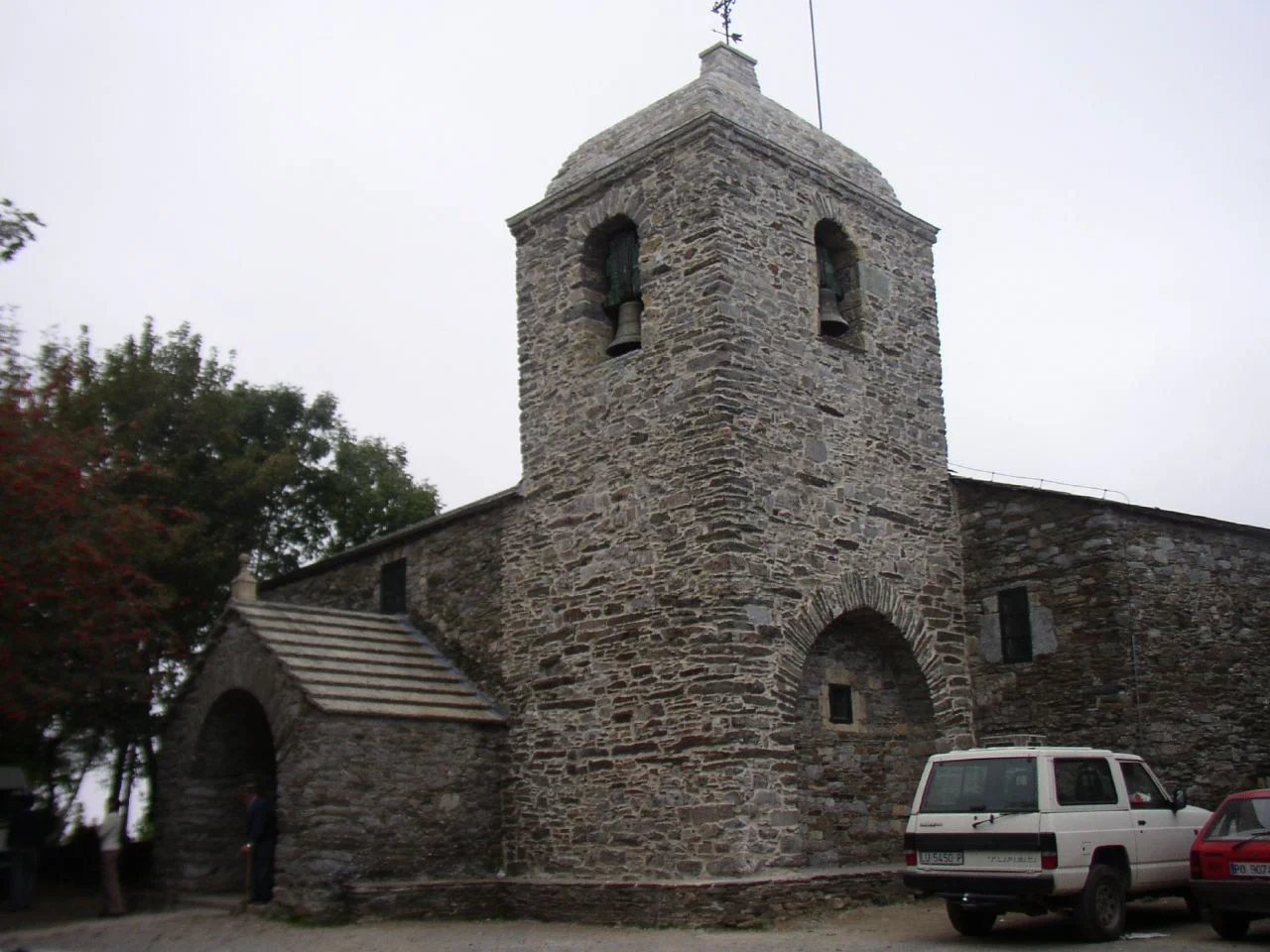
In the church of Santa María la Real de O Cebreiro, Yenkys González lit a candle for Cuba. He had been walking from Saint-Jean-Pied-de-Port for weeks and, in that temple on the French Way, he met a priest from his same country who was also on a pilgrimage. González chose that moment to explain what he had been looking for during the nearly 800 kilometers that took him to Compostela.
The walker, a resident of Santa Clara, recounted the experience in an interview that CubaNet published in April 2026. Religion in Freedom recovered its testimony on November 15. In both stories, the intention of the trip is the same: González offered his pilgrimage for Cuba and for the future of those who live on the island. After arriving in Santiago he returned to Santa Clara, where he resumed his work and his collaboration with the parish of El Carmen.
From Saint-Jean-Pied-de-Port to Galicia in 40 days
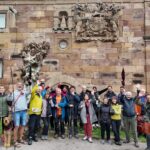
The possibility of going for a walk arose from the invitation of a friend from the community of Salesian cooperators to which he belongs. Two of them left and shared stages with a group of up to fourteen people, according to the pilgrim's testimony. The march usually began in the morning and, depending on the day, continued until the afternoon.
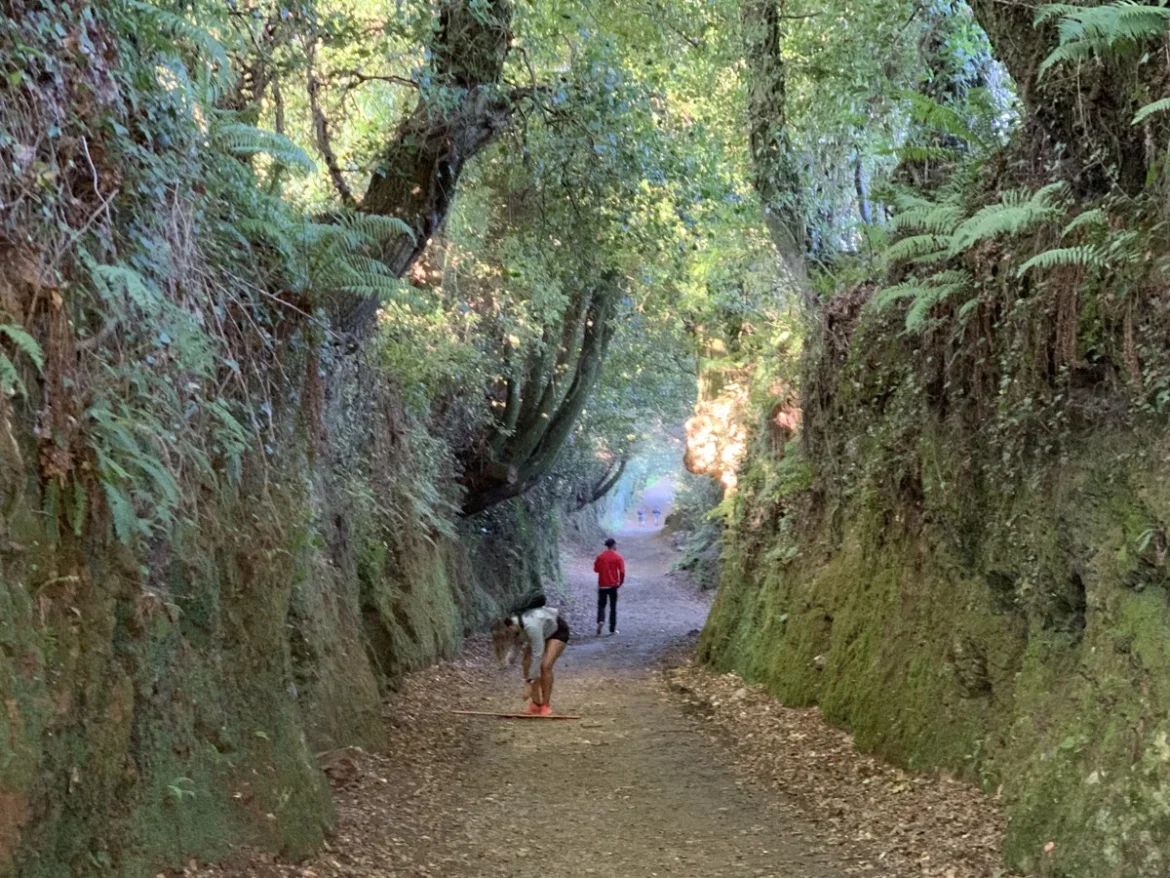
González places his days between 20 and 30 kilometers, with nights in hostels or other accommodations. He remembered that learning in concrete terms: getting along with what he had on him and sharing time and space with people he had just met. Over the course of about forty days, the group changed as they advanced along the French Way.
A lit candle in O Cebreiro
The scene that surprised him most occurred at the entrance to the French Way in Galicia, in the temple that preserves the tradition of the Eucharistic miracle of O Cebreiro. González explained that he lit the candle and stayed there while he prayed for his country. At that moment another pilgrim, a Cuban priest, approached him. The coincidence impressed him because of the place and the intention with which he had started walking.
He also said that, later, a merchant gave him two badges on which the Cuban flag and a symbol of the Camino appeared. González interpreted both meetings based on his faith. In the interview, he also imagined what it would mean to travel a similar distance to the sanctuary of El Cobre on his island.
The return to the parish of El Carmen
Upon returning to Santa Clara, González resumed his work in the Bishopric, where he works with computer networks, and in the parish of El Carmen, where he collaborates on sound tasks. The parish community also promotes assistance initiatives. In his interview he mentioned I was hungry, a food aid project that, according to their testimony, serves more than 400 people, and a dispensary that distributes donated medicines.
The pilgrim recalled that several people asked him why he had decided to return after traveling to Europe. He responded that he had work pending in Santa Clara. The interview allows us to follow this return to a specific place: the community in which he already collaborated before leaving for France.
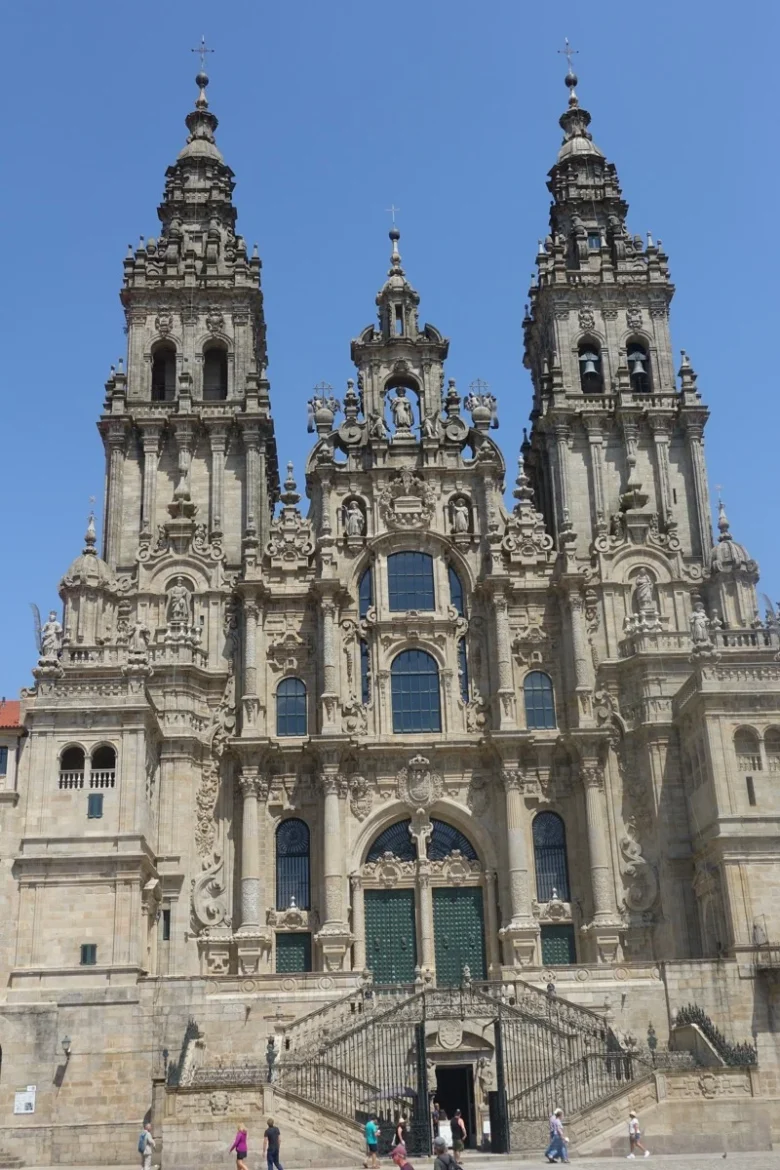
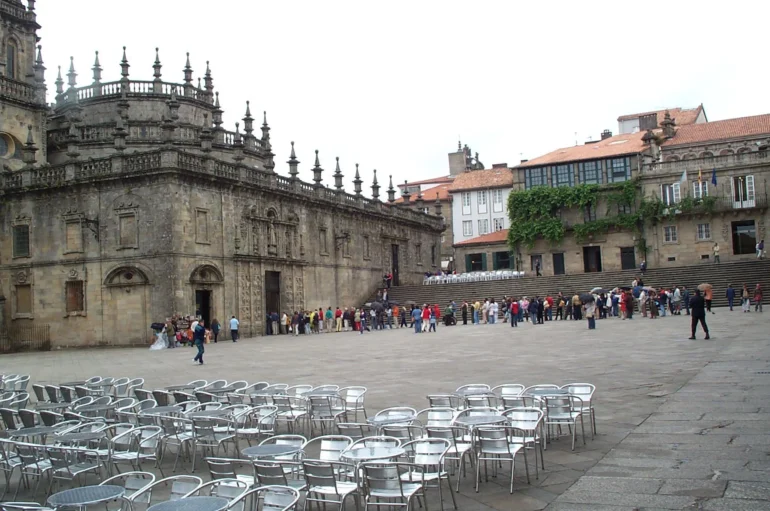
González's pilgrimage was completed in Compostela. His story continues in Santa Clara, where he returned to take up the tasks he had left behind when he left.
Sources: original CubaNet interview y Religion in Freedom. Cover: church of Santa María la Real de O Cebreiro, archive photo of José Antonio Gil Martínez / Wikimedia Commons, CC BY 2.0.
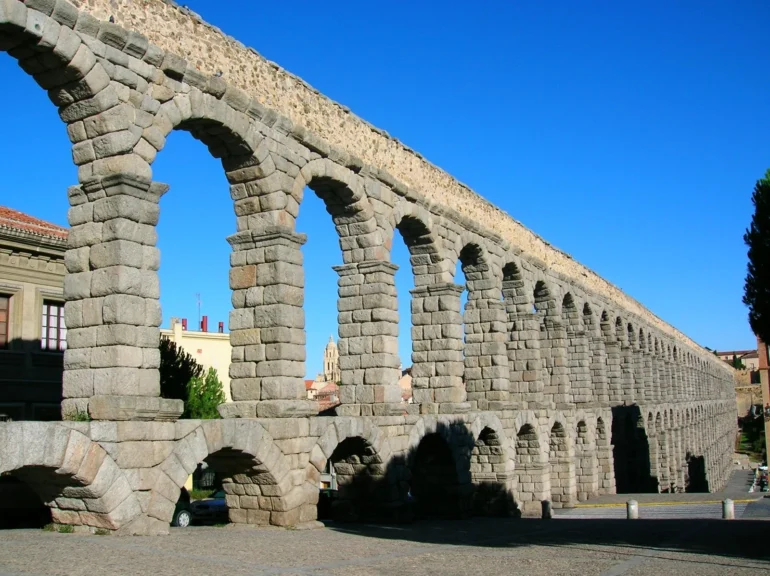
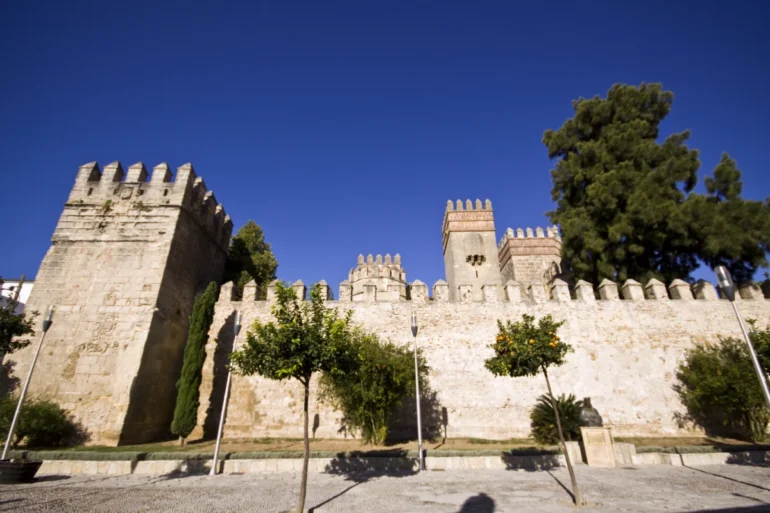
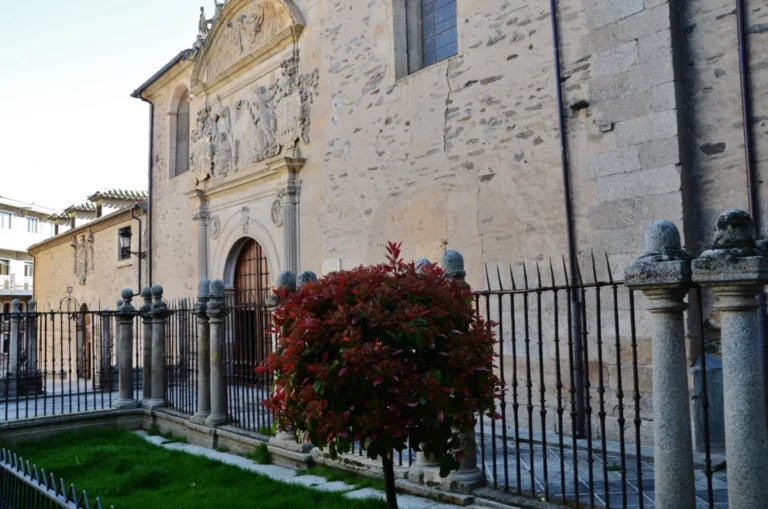
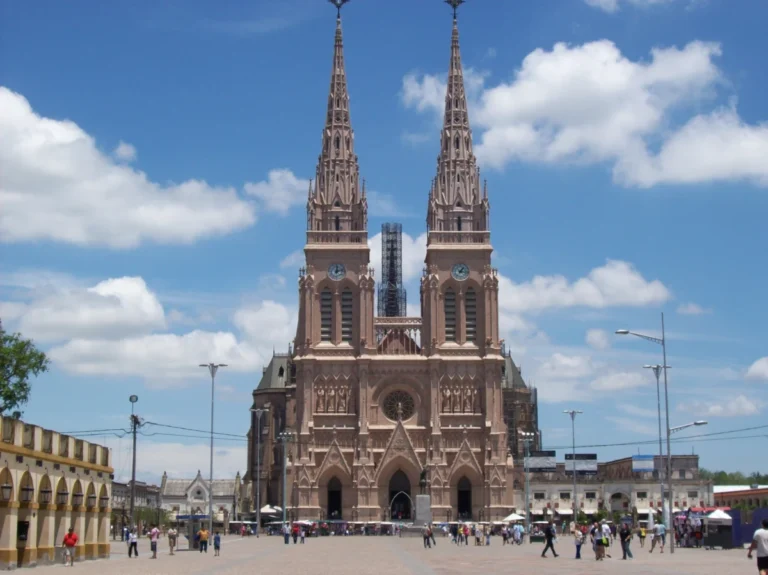
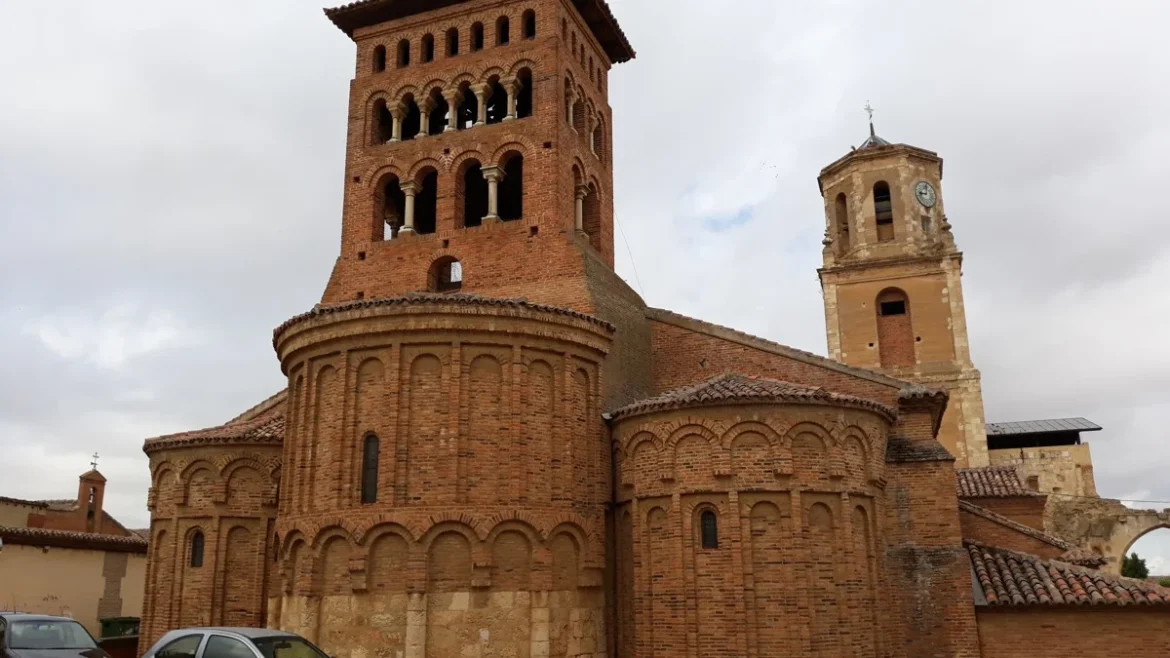
Images: File photo by Ulemas7 / Wikimedia Commons, CC BY-SA 4.0 | File photo by Eduardo Miyake / Wikimedia Commons, CC BY-SA 4.0 | File photo by Joseolgon / Wikimedia Commons, CC BY 4.0.