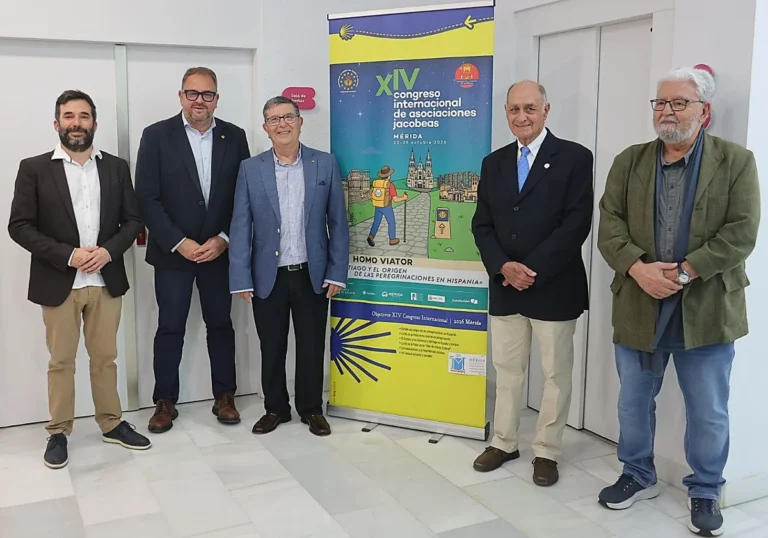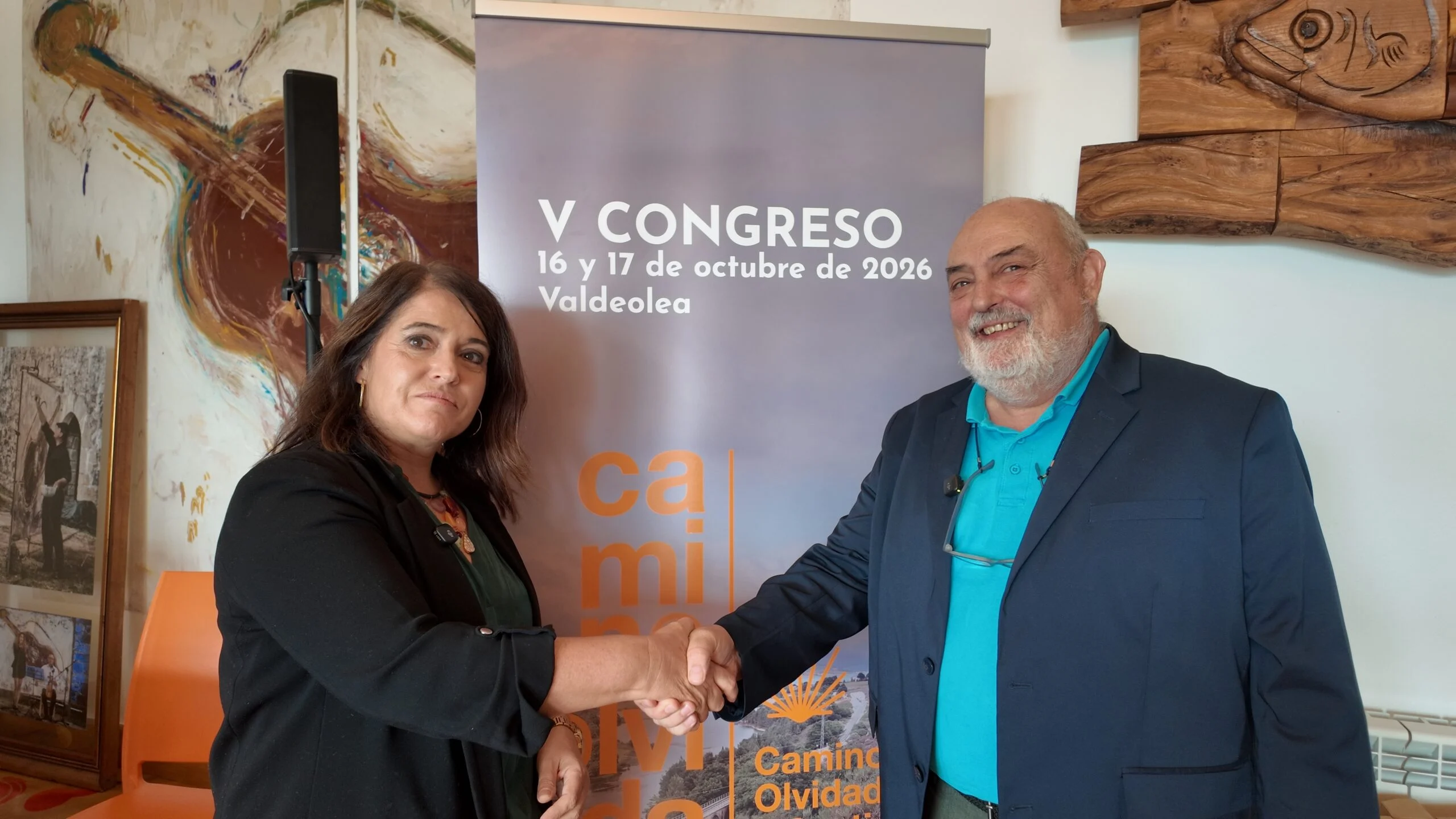
The Forgotten Way to Santiago experienced one of its most important days in recent years yesterday in Valdeolea with the celebration, for the first time in Cantabria, of its V Congress.
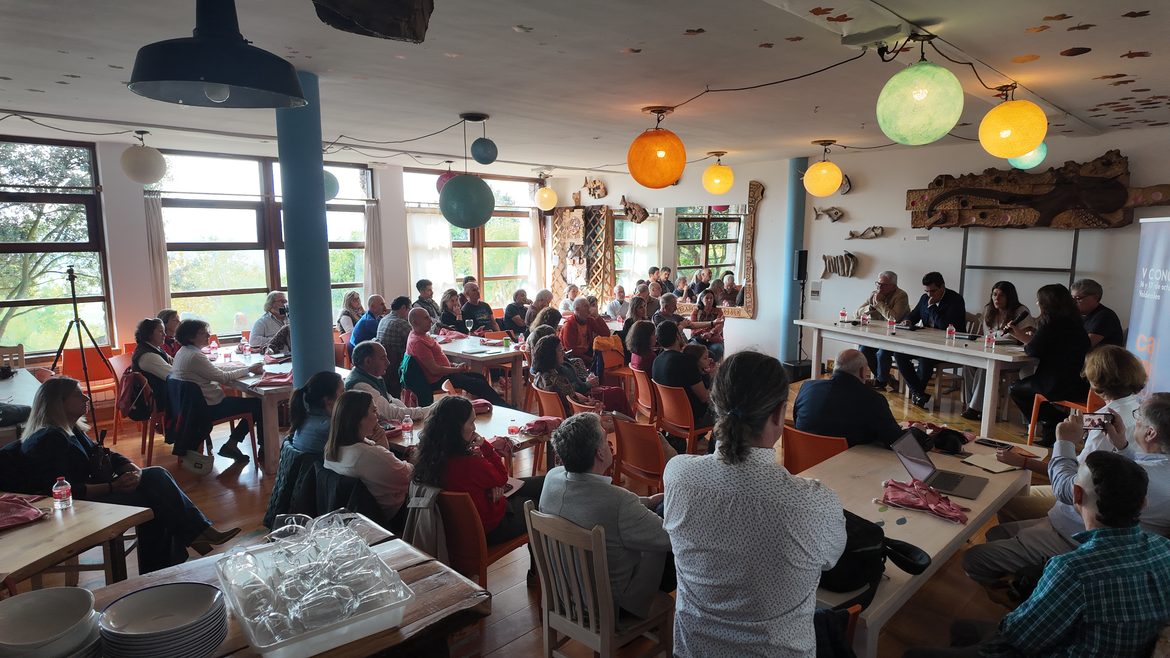
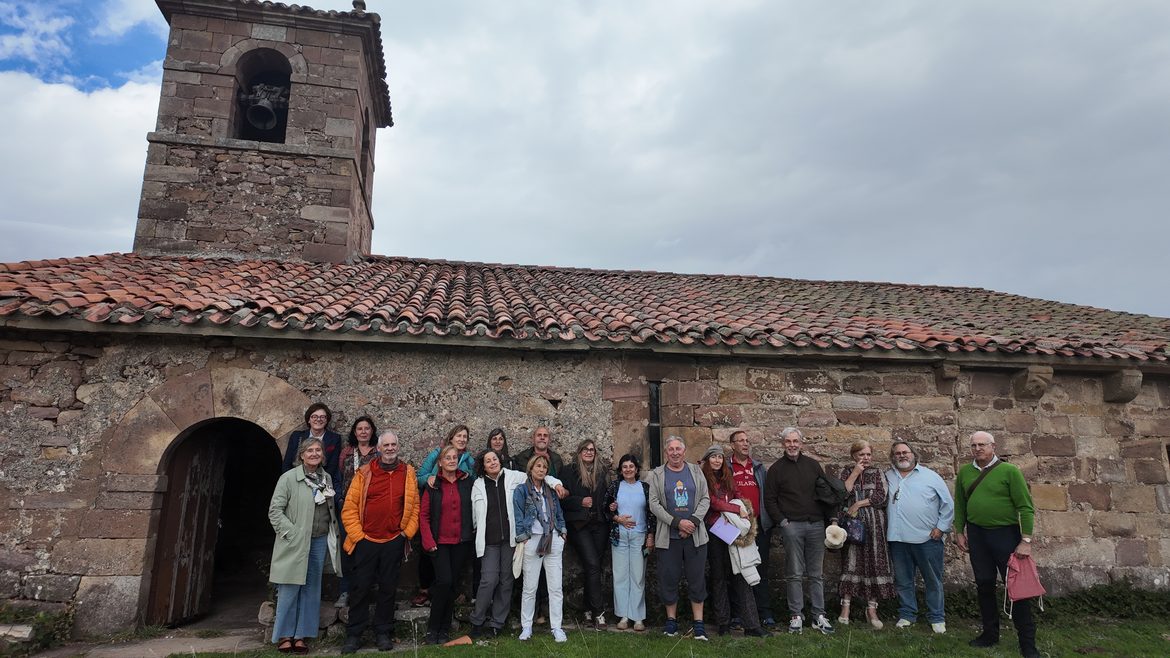
Institutional representatives, associations, territorial managers and people linked to the Jacobean world met in Mata Porquera to analyze the present and future of a route that for centuries was left out of the main focuses of the Camino de Santiago and that now seeks to regain prominence.
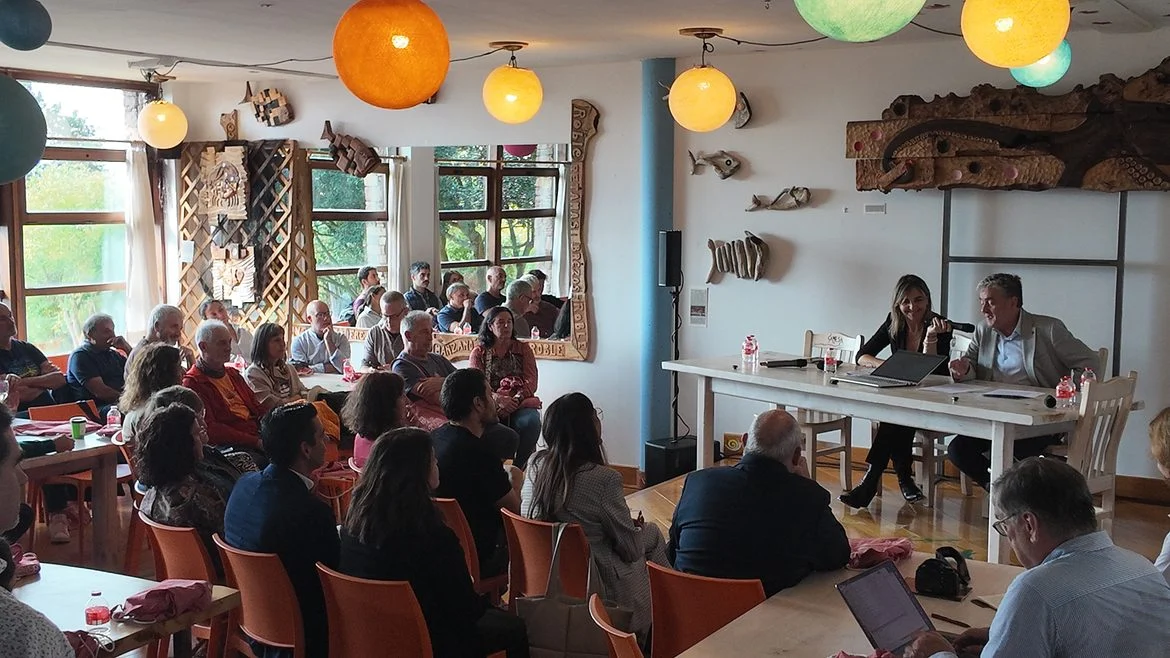
The day put three big ideas on the table: cooperation between territories, protection of heritage and the Camino's ability to generate activity in rural areas.
A Path that needs to work together
The Forgotten Way crosses territories of the Basque Country, Burgos, Cantabria, Palencia and León before linking with the French Way in Villafranca del Bierzo.
This extension makes cooperation between administrations, associations and municipalities one of its main challenges.
During the meeting held in Valdeolea, the role of local entities and the need to work together to consolidate the route, improve knowledge and turn it into a true opportunity for the towns it passes through was addressed.
It is not just about getting more pilgrims.
The challenge is that the Camino also helps to conserve heritage, maintain services, generate the local economy and give visibility to rural territories that are often left out of the large tourist circuits.
Cantabria claims its pilgrim tradition
Another focus of the Congress was the historical importance of Cantabria as a pilgrimage territory.
The Jacobean routes, the Camino del Norte, the Camino Lebaniego and now also the Camino Olvidado are part of a historical network of roads that for centuries served to move pilgrims, goods, culture and ideas.
The conference dedicated to “Pilgrim Cantabria” made it possible to place the Forgotten Way within that tradition and remember that the region has much more road heritage than normally appears on large tourist maps.
Heritage as a driver of territory
The day also paid special attention to the cultural and natural heritage that accompanies the Camino.
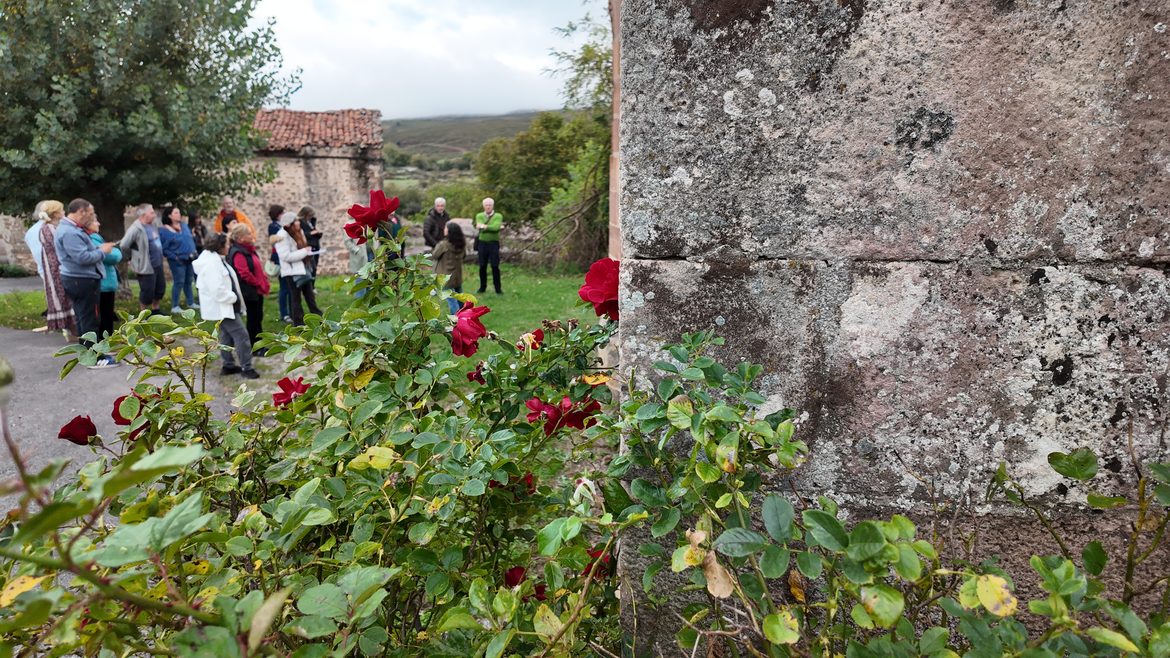
Churches, collegiate churches, rural architecture, landscapes, old roads and small towns are part of a route that still retains a strong local character.
This heritage can become one of the main differences of the Camino Olvidado compared to much more crowded routes.
For many current pilgrims, walking does not only mean getting to Santiago.
There is more and more interest in knowing the history of the territory, discovering small towns and traveling paths with less tourist pressure.
There you can find one of the great opportunities of this route.
From Congress to territory
Yesterday's programming did not end in the work sessions.
The participants also traveled to different heritage sites along the Forgotten Way, completing the day with a direct approach to the territory.
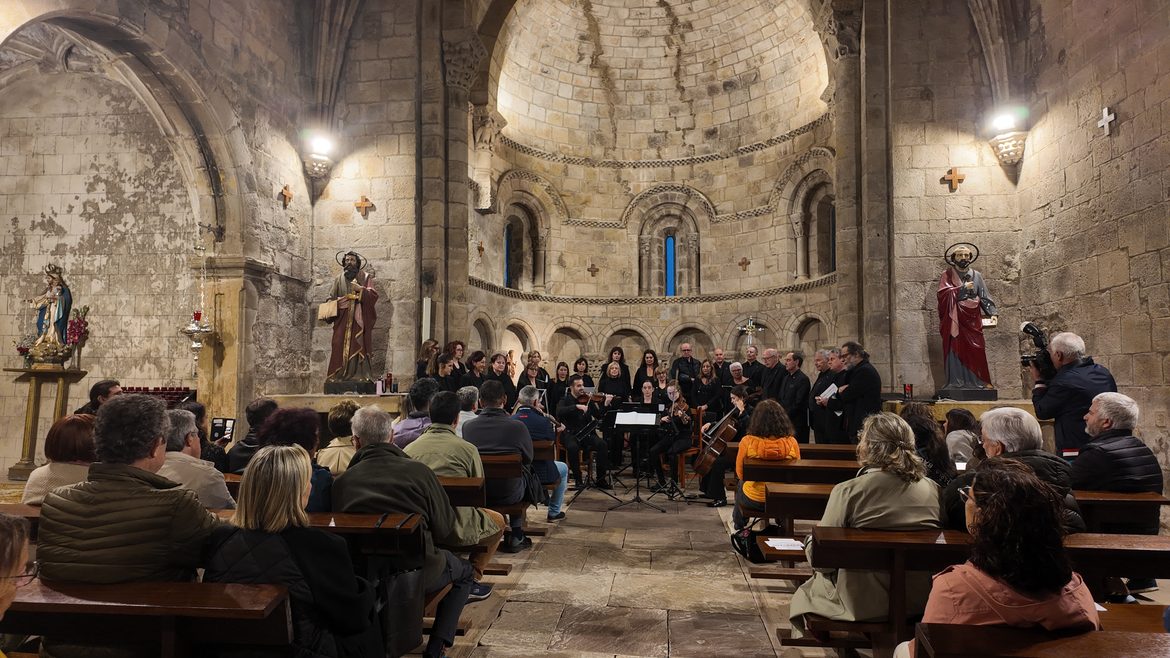
The program also included a concert in the Collegiate Church of San Pedro de Cervatos, one of the great Romanesque monuments in southern Cantabria.
The philosophy of the meeting was clear: talk about the Camino, but also walk it, get to know it and understand the places it passes through.
Today, the Camino is traveled on foot
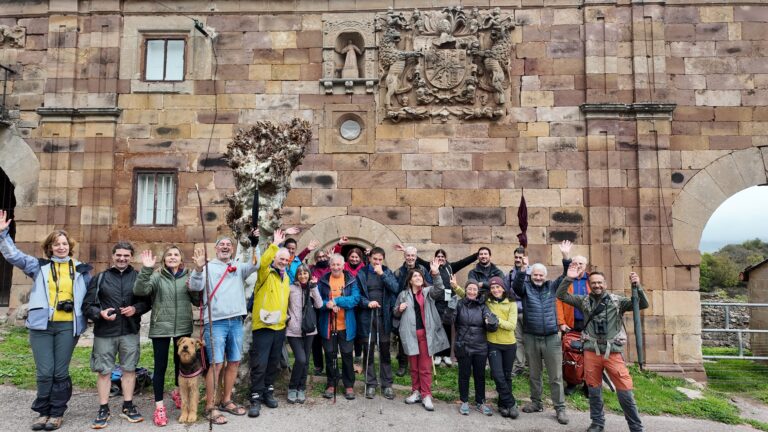
The Congress continues this Saturday with a march along the Forgotten Road.
It is a symbolic way to close two days in which theory and territory mix.
First discuss the future.
Then put on your boots and walk.
The Forgotten Path continues to have many challenges ahead: signage, services, promotion, institutional cooperation and international knowledge.
But the Valdeolea meeting leaves something clear.
This route no longer wants to be forgotten.
Cantabria has served these days as a meeting point to begin to decide what its future will be like.